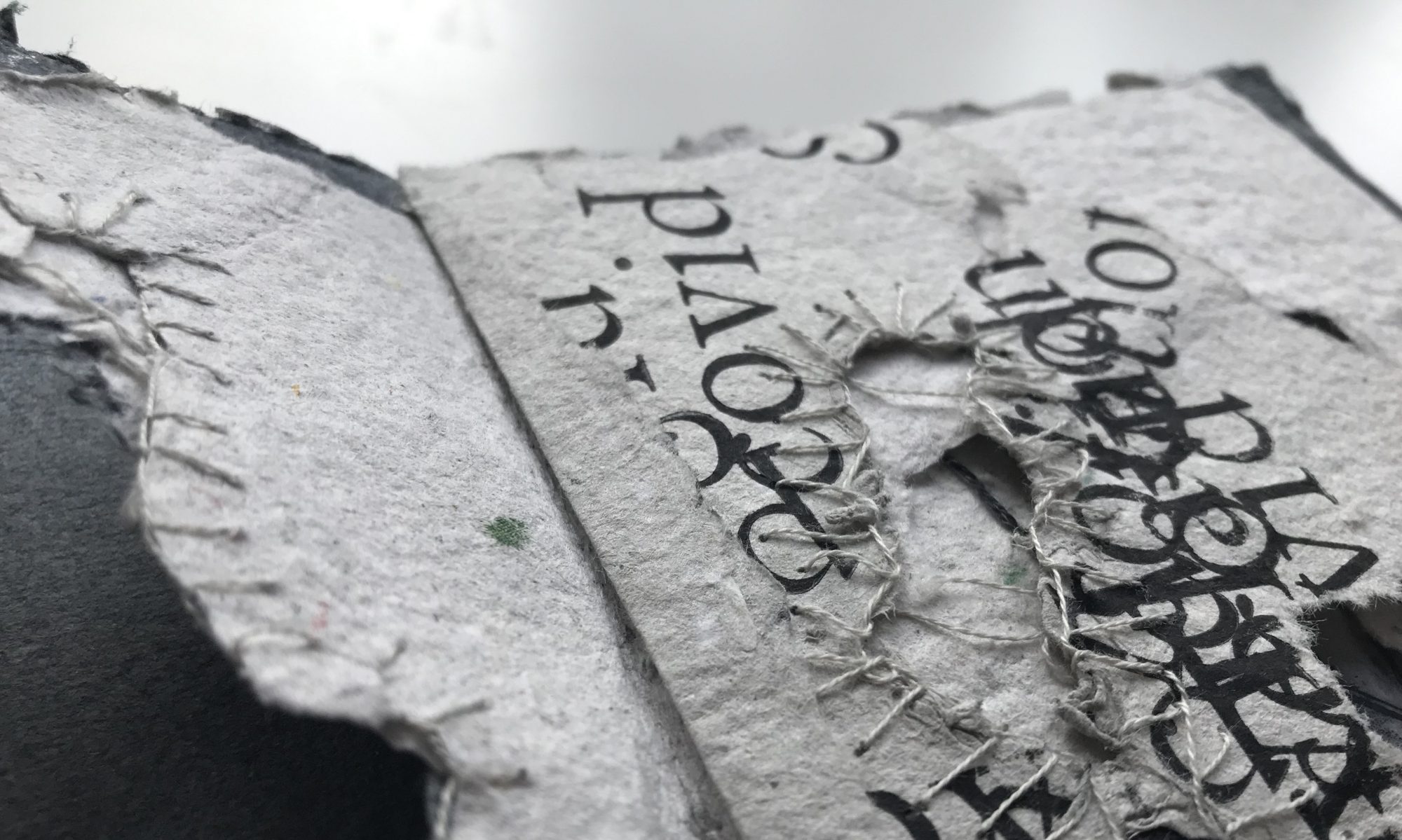
This went wrong! first of all I had struggled a tray of type that had the letters I required and the sixing I wanted so I found myself spending an age finding the type. I found the type, and started assembling it into the frame. i experimented with printing onto tissue paper as i wanted this translucent quality within my book block, because of the overlapping effect I wanted i had to rotate the tissue paper ever time i stamped it and because of its catch the wind qualities it ended up moving onto the rollers and created a stippled printing effect on the page. Although this is not what I wanted to happen, its textural qualities were perfect for what I wanted to create for my book. so I decided to roll with it (!) and continue to use the tissue paper in this way and the outcomes were quite interesting.
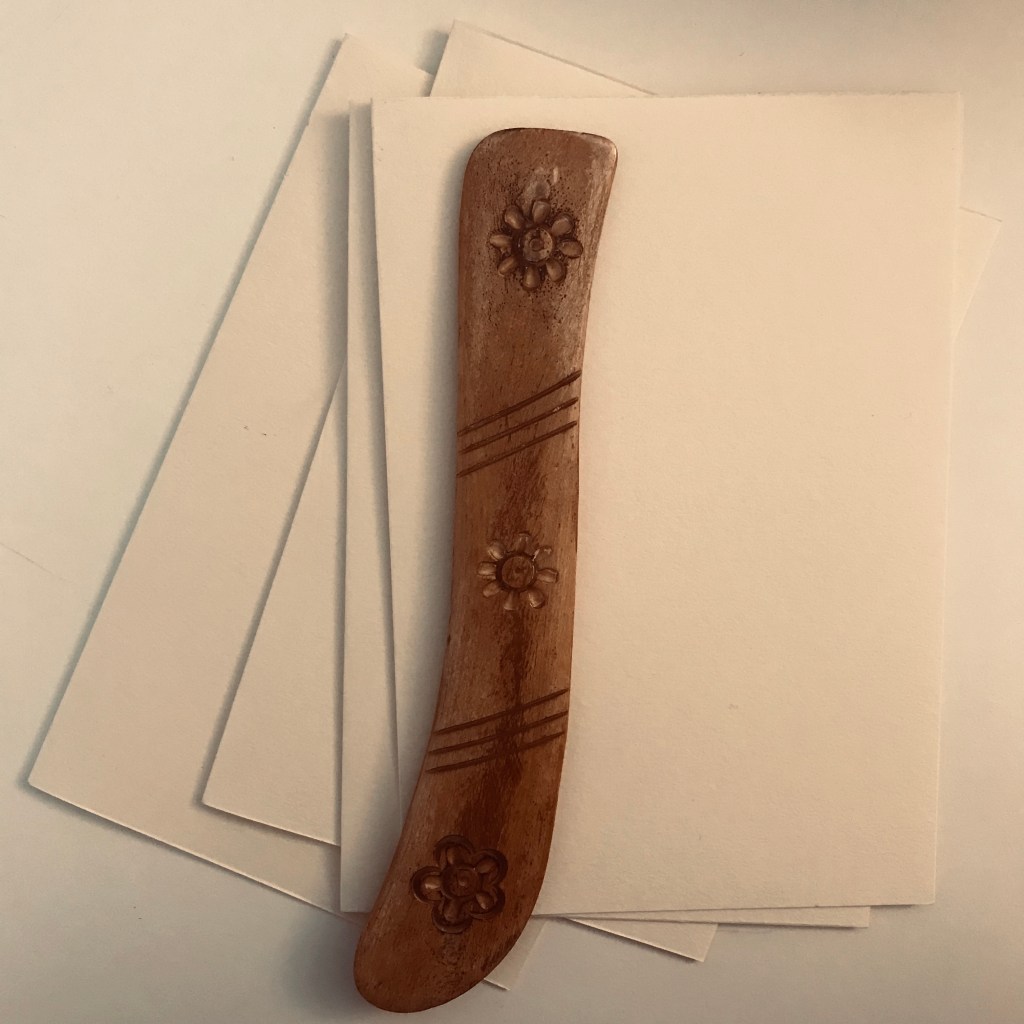
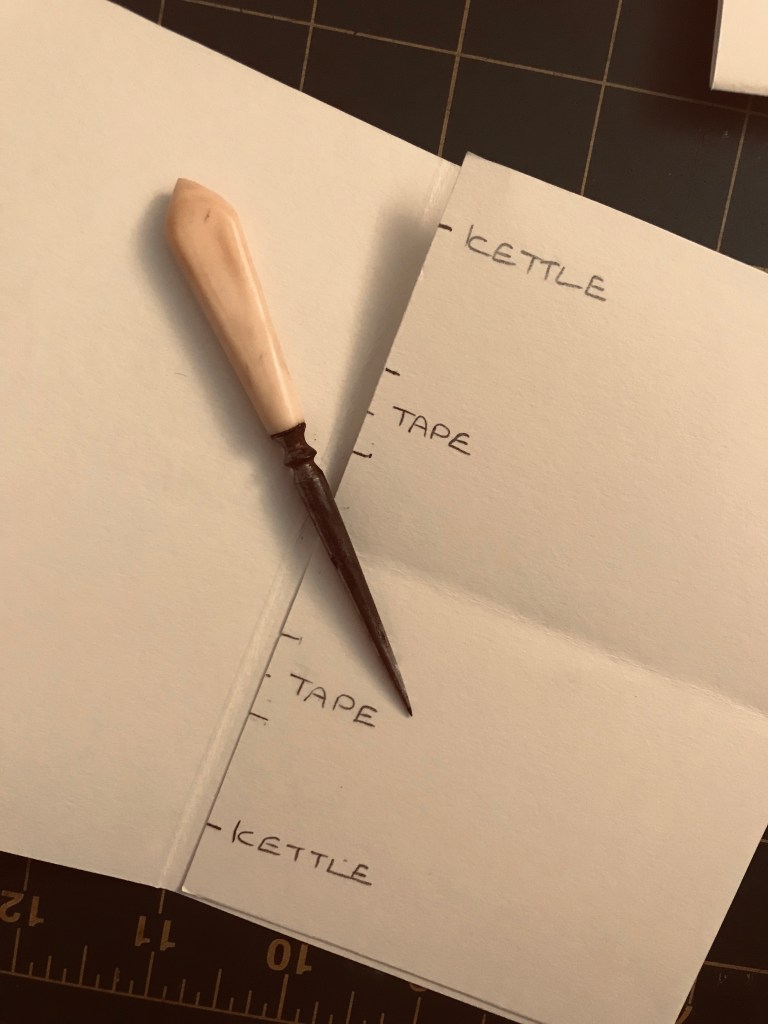
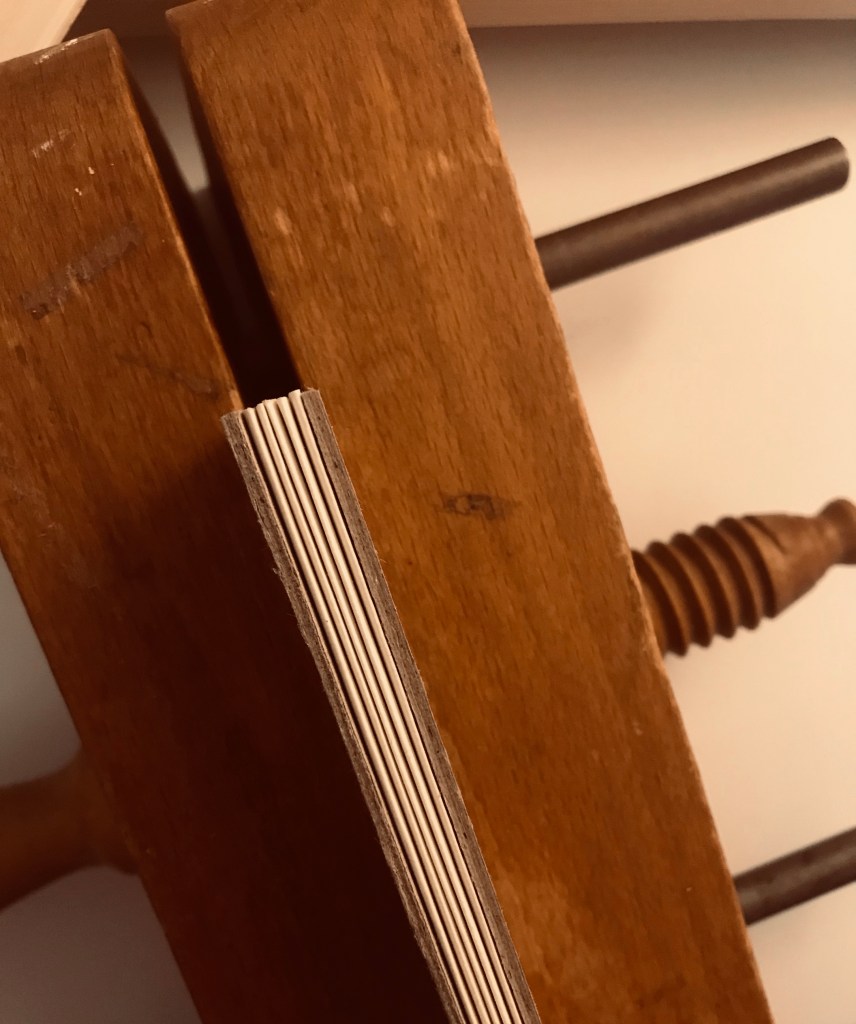
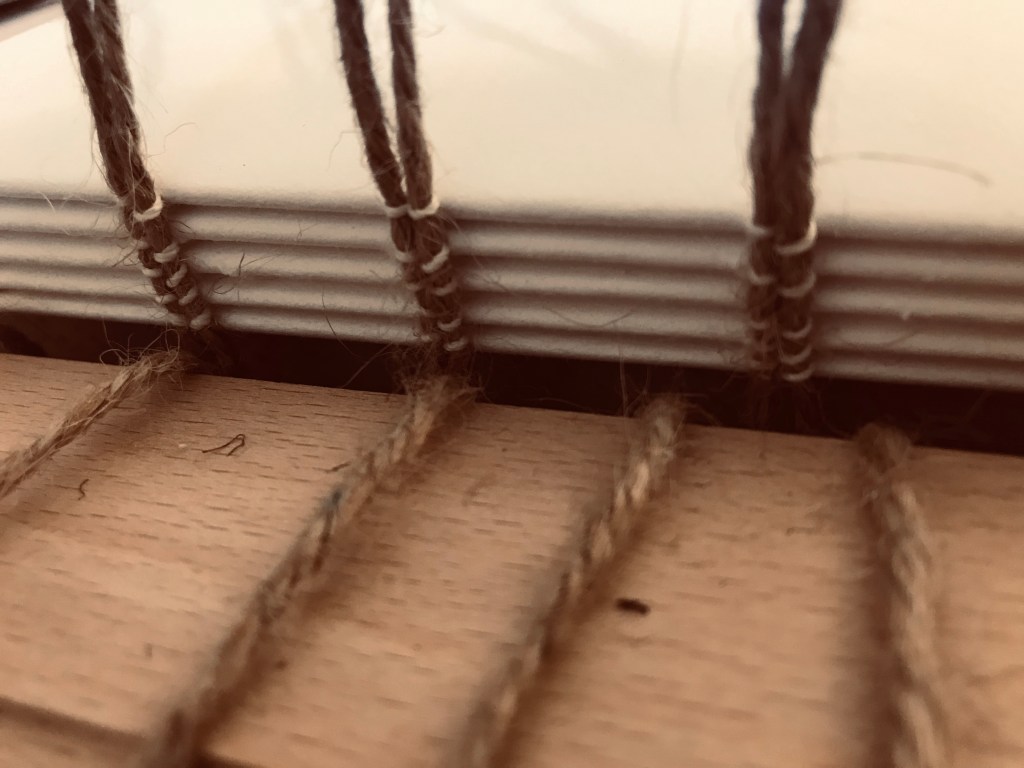
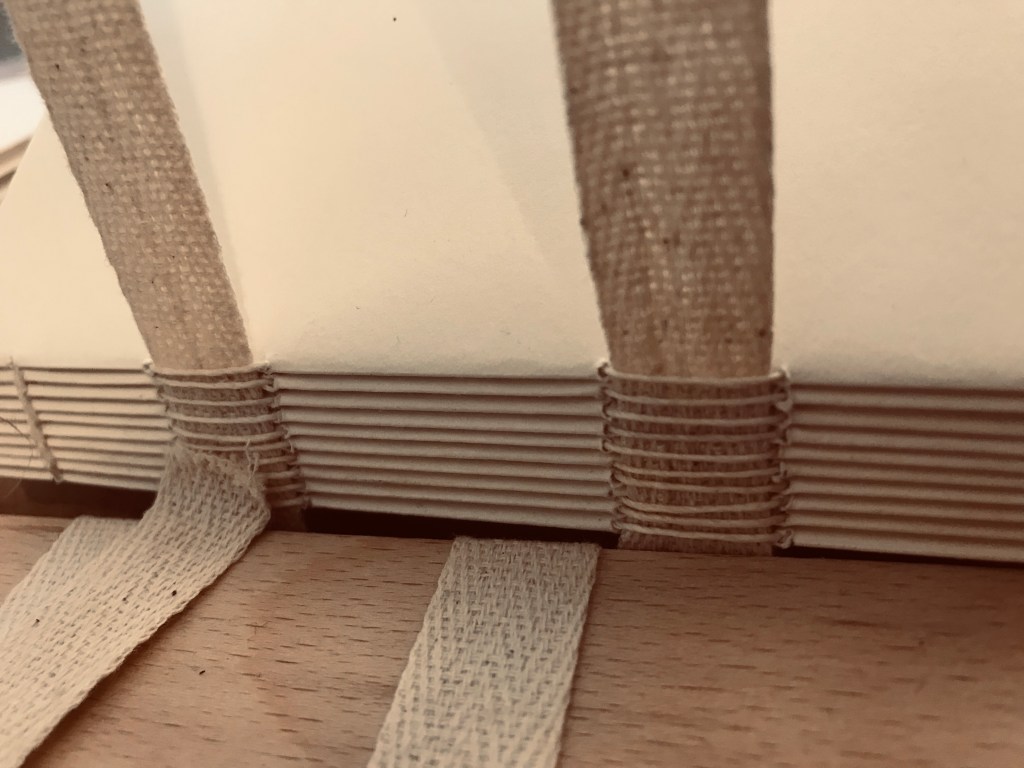
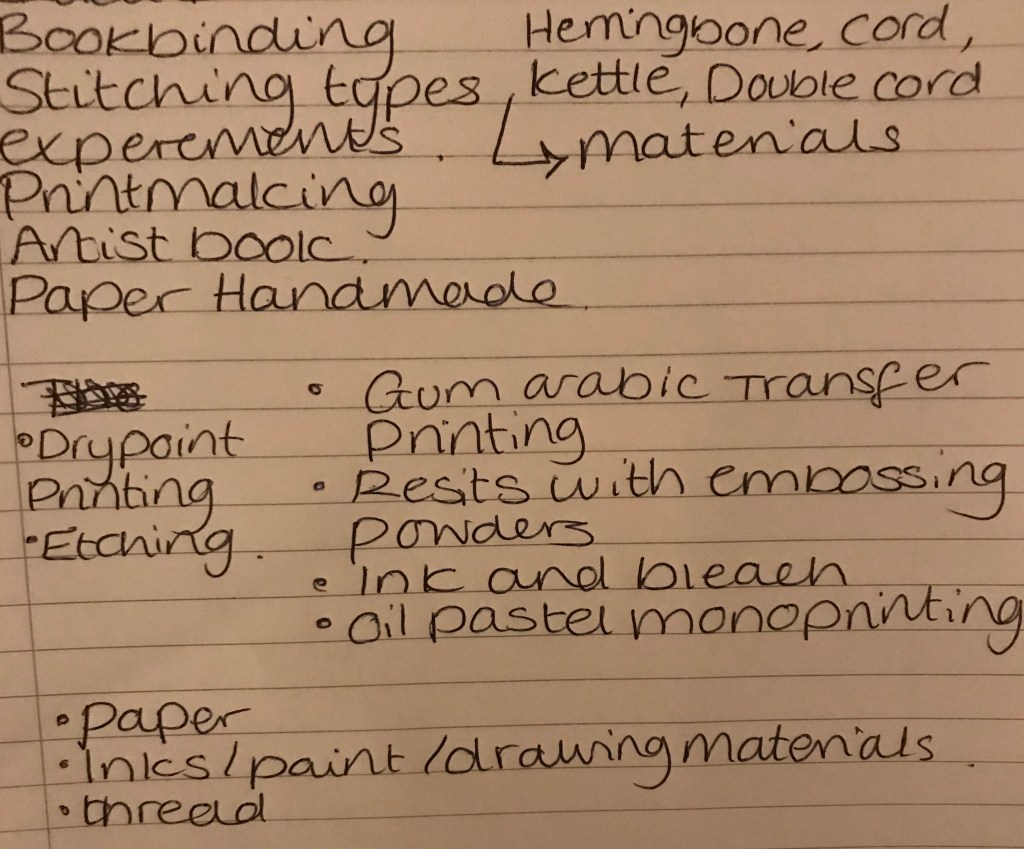
Folding paper with a bone folder, to create signatures made up of 2 sheets of paper.Measuring the stitch pattern, i then need to use the awl to punch the holes in the spine of the signatures to form the book block.Using the finishing press to draw on the sewing pattern and press the sheets flat.medieval cord stitch Sewing on linen tapes. Using a sewing frame
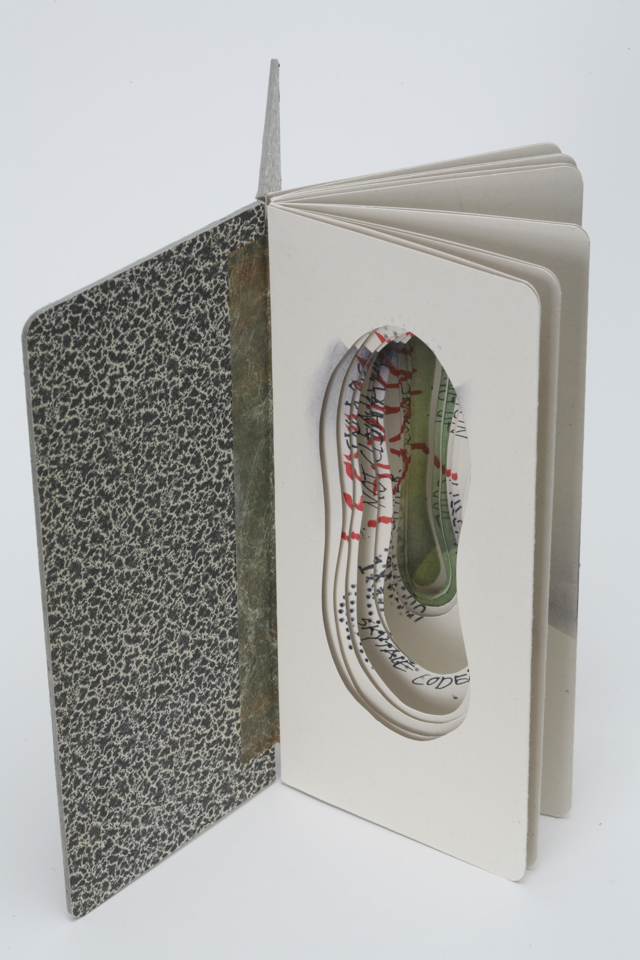
Working from the knowledge of historical buildings, Hedi Kyle creates book forms that explore binding and foldings inspired by Kyles time as a historical book conservator. she explores how a book can be manipulated, folded and designed is a way that allows for new binding exploration and idea generation can create new structures. she is quite an important figure within artist books as she has developed a series of new structures.
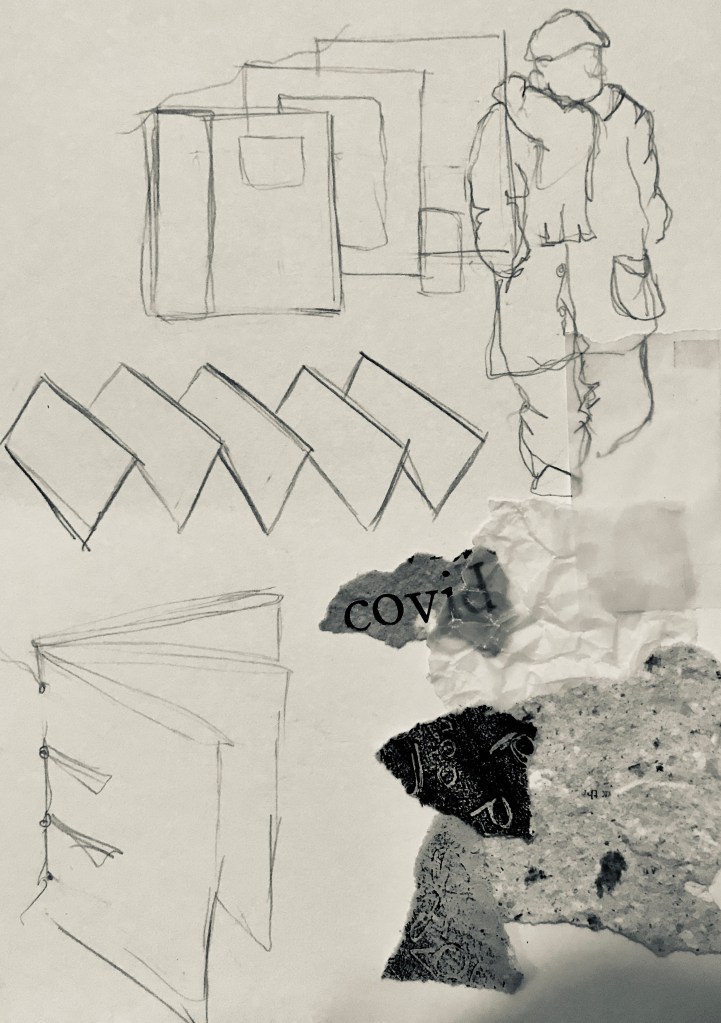
I am interested in Kyles use of cut outs and light in the books above. This has given me inspiration to consider how I would best trap the elderly man within the book form. My ideas are to darken the areas surrounding the man to create the feeling of being overwhelmed within his own thoughts and negative space as a result of being exposed to the COVID 19 pandemic. This week I am going to continue to explore this theme through dry point printing and letterpress, and then folding and binding them into a book form. I am still unsure of the structure the book will take but this is something I will need to explore through mock ups as the material choice will be dependent on which structure I will use. Looking Forward to my final major I want to continue to explore these materials and processes with the intention of making artist book exploring these through alternative themes.
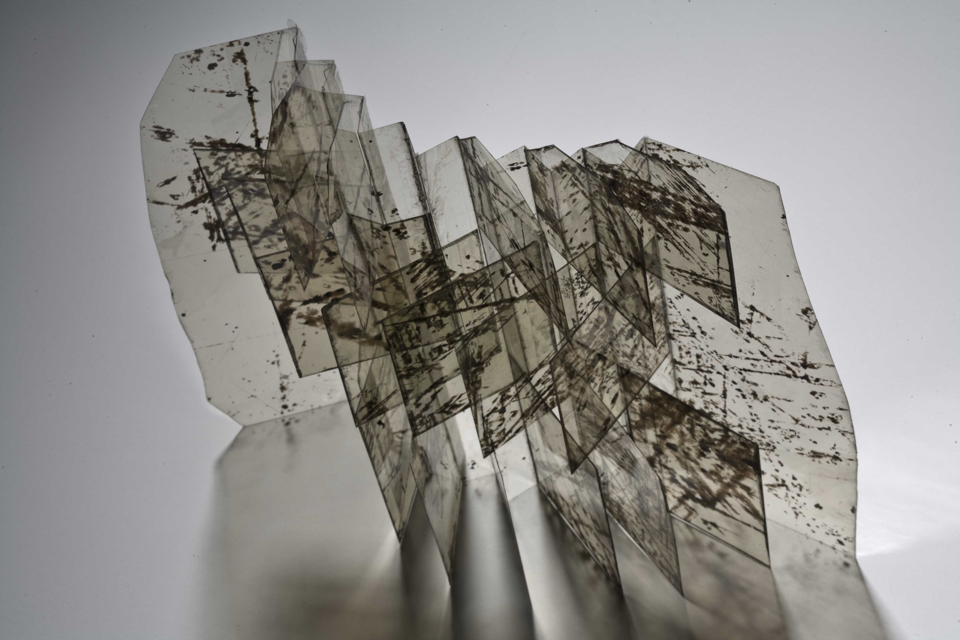
About Pearl, 2009 / Unique in a series of 5 / Archival inkjet on Dobbin Mill papers, embedded mica Size: 9.5” x 7” x 1.25”
Robbin Ami silverberg artist book “About Perl” explores Silverbergs memory of her mother through the senses of touch. She selected materials that explore the sense of ageing in relation to her mother. this one off artist reflects a very personal response of the artist and the selected use of papers allows for an effective exploration of the development of an ageing skin without making it obvious, as well as allowing the audience to connect to the theme of the book through touching of the tactile form.
The combination of materials effectively emits the feeling of age, texturally the materials wrinkle bolge and creese in the same way the skin does as it goes through ageing. the binding of this book encloses the material textures within the book making the connection more personal and private when the viewer holds the form.
This artist influences the textural qualities of the paper and has made me consider the importance of the sense when making books, as they are tactile forms, usually with little text their impact and understanding by the viewer may differ altering the understanding of the form, therefore the form should speak for itself or should be free to interpretation.
Design sheet explaining the process materials and textural qualities that i want to be involved with my second artifact an artist book. I want my concept to explore isolation by allowing the viewer to move through the book and pages that represent the layers of isolation and the way older people have felt trapped through this COVID19 pandemic both physically within the confines of their home and mentally. I have chosen to use hand made paper in this book as I believe it is representative of the brittle fragility of elderly people. this is also the same for the transparent crinkled papers. the stitching explores the same theme and pushes the idea of depth as it defines the layers between the pages. I am hoping I will be able to emphasise the distant loneliness by placing the isolated man on the bench at the end of the book so the viewer reveals him beneath the layers. this will be the end papers and the book will be concealed behind a hard back cover, potentially just saying the word isolation in letterpress.
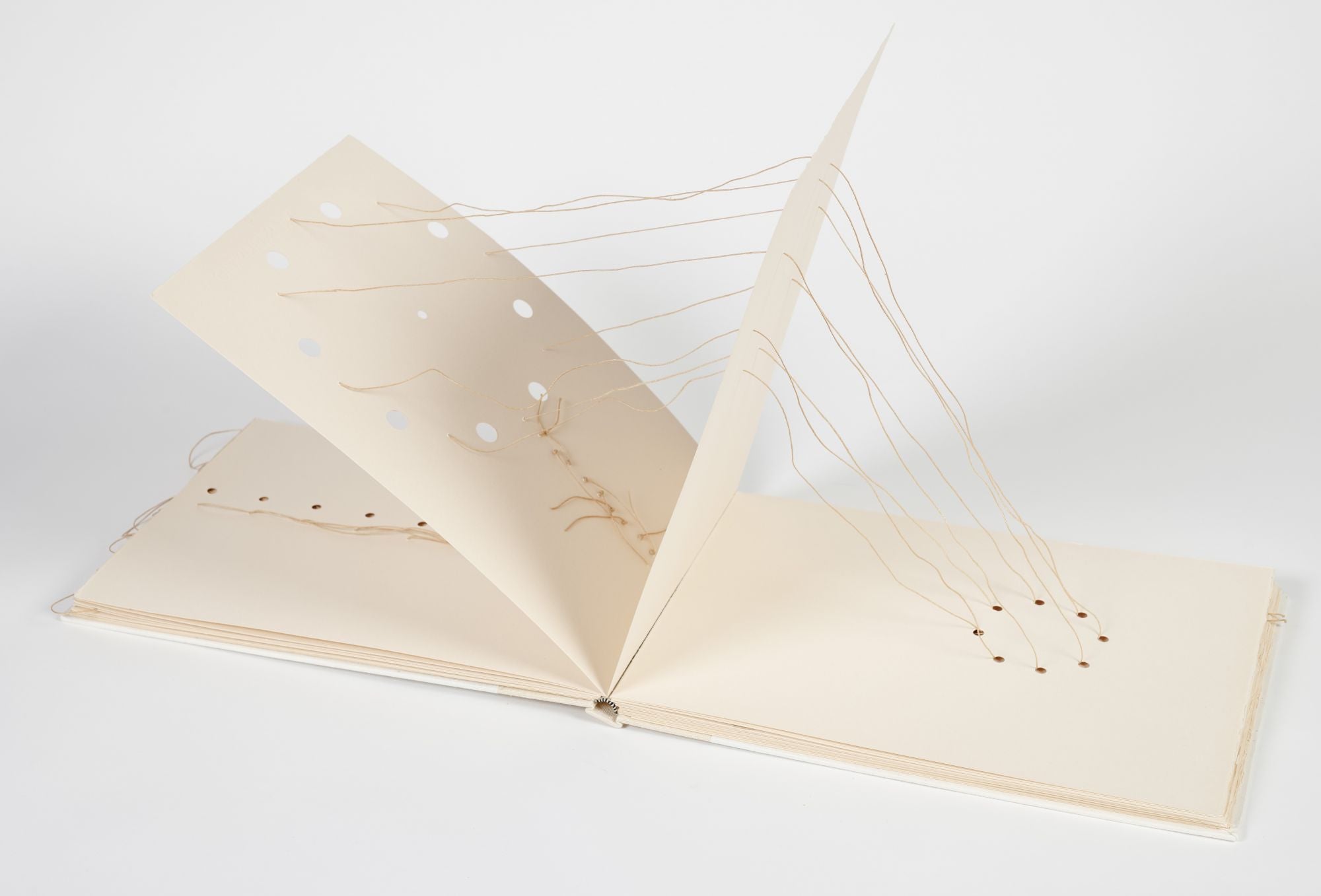
Keith A. Smith created this book titled book 91, this was a 50 book limited collection. known as the string book,
This book forces the reader to move from one page to another, forward or back, this movement, thread and cut outs in each page encourages the viewer to explore more and move Forward through the sting to the next open page. this also makes it more of an interactive sculptural form. there is a clever use of light as the effect of the string shaddows on the pages.
“The sound, cast light and shadows and their focus and movement are not part of the physical book. They are physical but they only come into existence during the act of experiencing the book, that is, turning the page.” JONATHAN A. HILL, BOOKSELLER, INC. 2020. Book 91 By Keith A. SMITH On JONATHAN A. HILL, BOOKSELLER, INC. [online] Available at: <https://www.jonathanahill.com/pages/books/7178/keith-a-smith/book-91> [Accessed 30 November 2020].
I think light will play a strong roll in the book form I am creating. I want to create a book that explores isolation, enclosing the man between layers of translucent papers will allow me to create depth an context and the light will be beneficial to exaggerate the negative space.
Skien’s work explores “What is achieved through the process of poetic imaginings is the instigation of a primal condition of non-knowing, not as a form of ignorance but as a complexity of associations arising above rational thought and structures of knowledge”. the work lends itself well to be bound into a book, as well as the binding that surrounds the books creates a sense of the hidden being an unidentifiable, creating a powerful sense of the forms being their own identities, “Resourcing photographs devoid of any fixed historical narrative, the outcomes are mixes of hybrid artist book forms that incorporate photographic etching, collage and thin thread bindings”. GLATTAUER, S. and GLATTAUER, S., 2020. GLEN SKIEN — Baldessin Studio. [online] Baldessin Studio. Available at: <https://baldessinpress.com.au/affiliated-artists/glenskien> [Accessed 29 November 2020].
This work inspires me as the combined use of imagery and printmaking as a way of storytelling creates a sense of identity and preciousness of the text within the book although the viewer cannot read it the impression we get that it is precious and protected from sight. this is effective with the binding both on the spine and the binding of the whole book.
looking into artist books I came across bound : unbound, it is a members collective of artist made books, often exploring printmaking, lettering installation, painting and textiles.
Wilson explores print, collage and paint through the book structure, giving her freedom to explore a sculptural response to the themes she explores within her work, the hidden and the seen. She sees her work as deeply personal through the exploration on the hand held form revealing the hidden each time the page in turned, creating an intimate experience for the viewer.
“I am interested in this sense of revelation. Layers of translucent paper, stitched and cut into, obscure the forms and images creating a tension between the various areas reflecting the delicacy, fragility and subtlety of the subject.” Susie Wilson Book Artist Printmaker. 2020. Books. [online] Available at: <http://www.susiewilson.org/books.html> [Accessed 27 November 2020].
I am drawn to her work as she uses print to explore the ephemeral fragility of the hidden and seen, combines material qualities to create a interactive artist piece. The aim to create a personal connection to the viewer. This intrigues me and has made me consider what I want the purpose of my books to be or how they will portray a theme or a feeling.
I like the idea that the book form carries a sense of intimacy. This is the same feeling you get if you have a personal book, a journal or a diary. It is interesting how this ideas of privacy forces the reader to use an explorative way to move through the book. The use of the book structure effectively portrays this as the significance of a tactile personal object holds a sense of privacy for the reader.
Continuing the theme from the bowl project, I want to make an artist book for my second artifact that responds to similar ideas of covid 19, loneliness, vulnerability and isolation. using materials and processes explored within the bowl project. I will continue to explore printmaking methods, paper making and will introduce binding to create a book structure that explores the above. I would also like to continue with the use of paper, ink, printmaking and tracing/tissue paper to emphasise the vulnerability and isolation. I am hoping to enclose this elderly person within the book so the feeling of isolation resonated from the form and the sense of being overwhelmed and vulnerable is evident. I want to explore my options with the form of the book, this could take shape as a concertina book, a zine style fold out form or a book structure with a sewn spine, this is something I will explore as my printing takes place.
MOVING FORWARD I have booked to have a meeting with Doreen from the special book collection at uni to discuss my ideas and book within the collection. I have also booked to use the print studio this week so I am hoping to continue my exploration into dry point printing, possibly collagraph and letterpress. As I have limited access and time i may have to come up with simplified alternatives to some of the print process I wish to explore so that I can continue my exploration at home.
Thinking about my final major project, I want to incorporate printmaking and papermaking with bookbinding as my interests lie with the sculptural form of the book as the skill for me lies in the combination of tradition and print using individual processes, structures and paper manipulation and paper cut in order to create a book form that explores these processes, this may take the form of a usable journal or, sculptural form an artist book.
I quite like the idea of a book being a passage for the imagination and the form of a book forces the viewer to consider its own concepts and ideas through the form.
This is a definition I found from UNIVERSITY LIBRARIES…
“An artist book is a work of art that plays with the book in some form. Usually these artist books are either produced in limited editions or as singular works. These books are different from fine press books, high-quality books printed in limited editions, because they break away from the traditional book form to play with it in new and interesting ways. Book artists expand the boundaries of what we think a book should be and look like”.
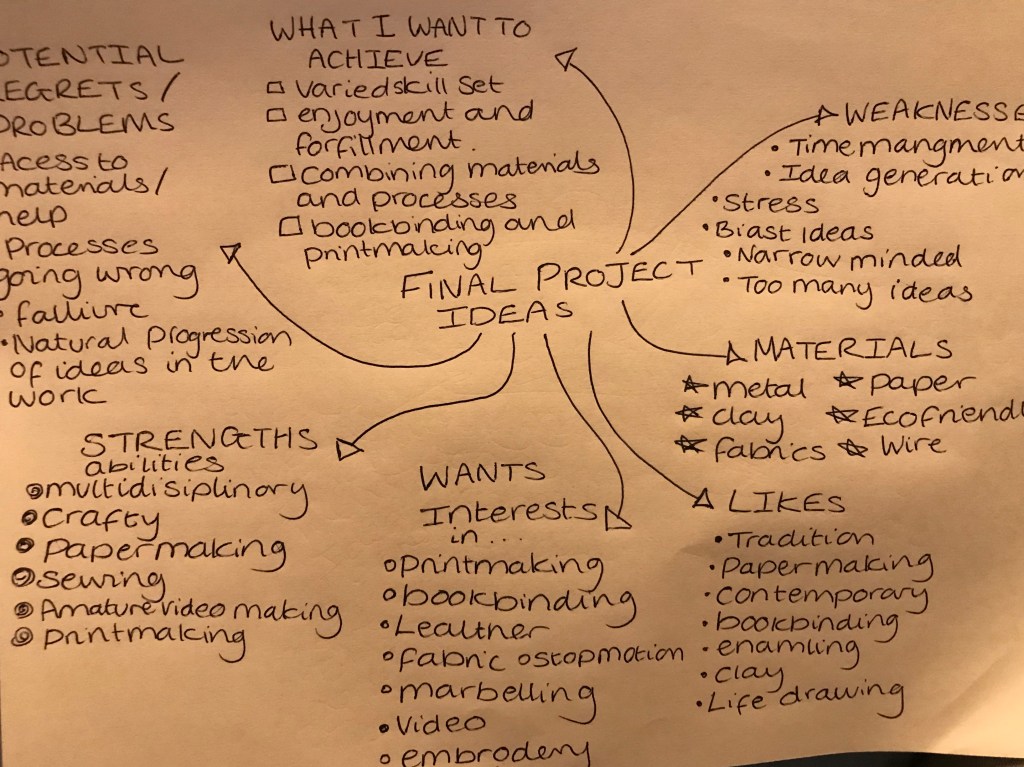
I have been thinking about what I want to achieve by the end of this year, where my interests lie and how I want to move Forward into the final major project. I have come to the conclusion that I want to continue to explore multi disciplinary ideas and have spent some time brainstorming ideas and possible ways of progressing forward. i have booked a teams meeting with Doreen (who manages the artist book collection at the library) to discuss the collection and show me some of the books. I am hoping this will inspire me to explore the possibilities of combining my traditional binding skills with my love of printmaking, paper making, and other process base techniques to form into an artist style book that celebrates my slightly unique skills in binding and printmaking.





 Lara Hoad Artist Designer: Maker