Although the research trending forecast organisation WGSN is primarily focused on fashion, I found it has been interesting to research into sustainable and renewable fibre. their is definitely an obvious move and trend focusing on recycled fibrous materials.
In one of the reports it stated that nearly 1 billion tonnes of textiles are discarded into landfill each year, the trend for retail in particular is a move into more sustainable material use. creating garments with a low carbon footprint and a positive social responsibility. I could see this trend happening within the craft industry as people become more aware and make conscious environmental changes.
I have focused my work on sourcing and recycling materials for what would otherwise be waste, paper, natural renewable fibre, moving towards experimentation with biodegradable corn flour glue, to consider my environmental impacts and footprint by consciously minimizing my artificial materials and using alternative biodegradable or renewable materials. I want to minimize the production of materials that cannot be broken down or recycled, so that my work in theory can be returned or repurposed into something else.
To further this, my papers can be made for a wide variety of recycled papers, fibres and cotton, these can change the material qualities along with the opacity of the forms created.
After reflecting on the strength of my paper, I find the paper made with 100% recycled cartridge paper doesn’t quite have the qualities I am looking for… strength fragility and opacity.
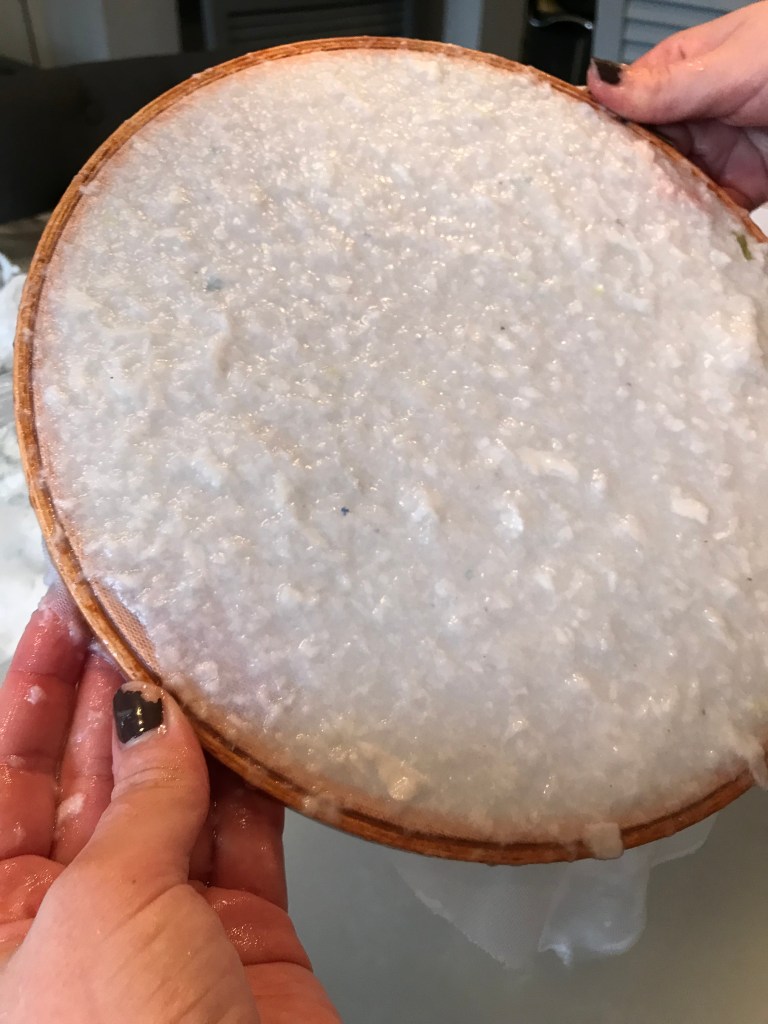
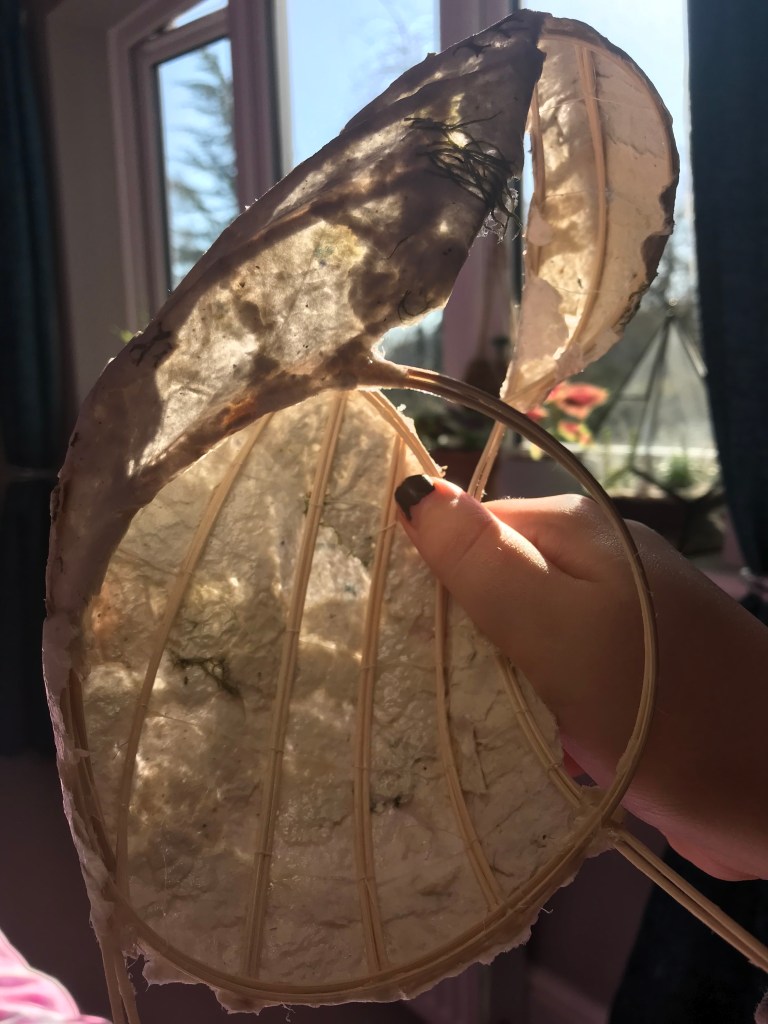
100% recycled cartridge paper, formed into a circle using a embroidery hoop (homemade frame)
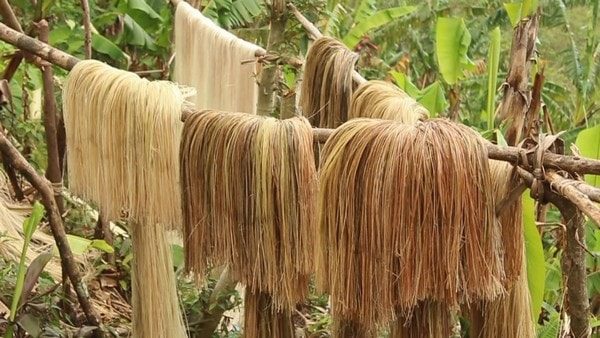
To try to improve this, I have been experimenting with abaca fibre pulp. Abaca is a natural sustainable fibre based material taken from a banana crop grown in the Philippines, It has been identified by the United Nations as a “Future Fiber”. This is a traditional and popular paper making material, as the fibre creates structure and strength in the paper, as well as allowing te paper to be made extremely thin. After finding and researching this I wanted to give it a go.
The results were extremely successful, I am definitely closer to finding the best paper for strength, durability and transparency. the abaca pulp created a very soft fibrous sheet that is very easy to manipulate, although this fibre used alone (100%) creates fabric like paper, I can make it extremely thin and it is stronger than pure recycled cartridge paper but i still find it isn’t ridge enough.
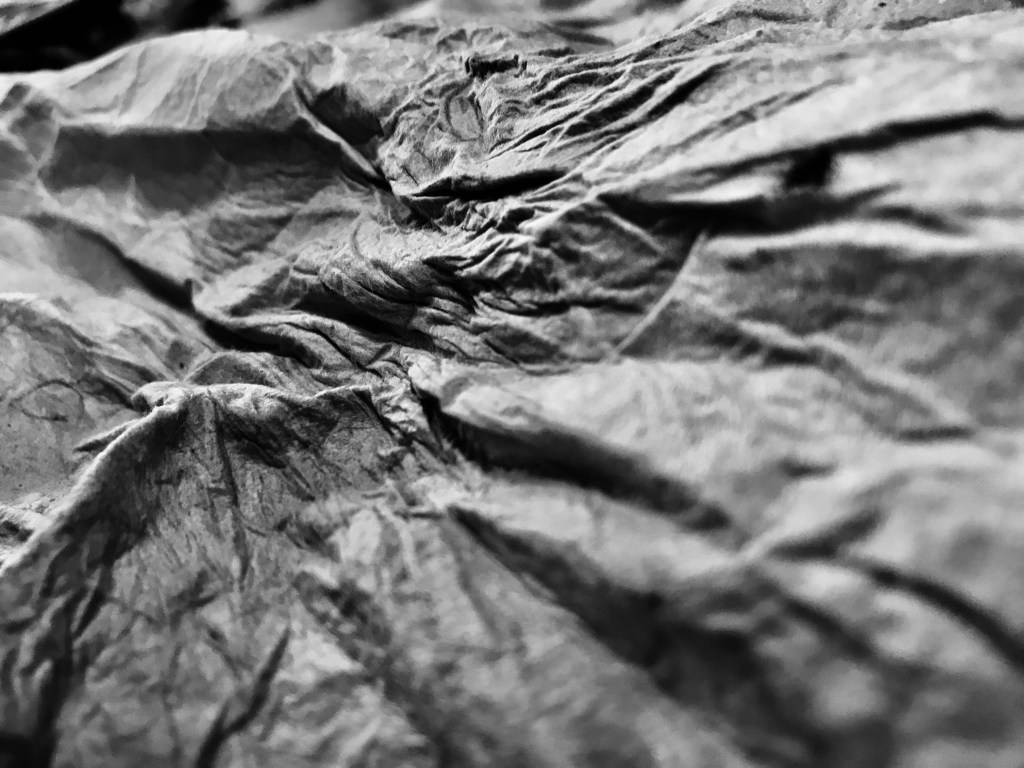
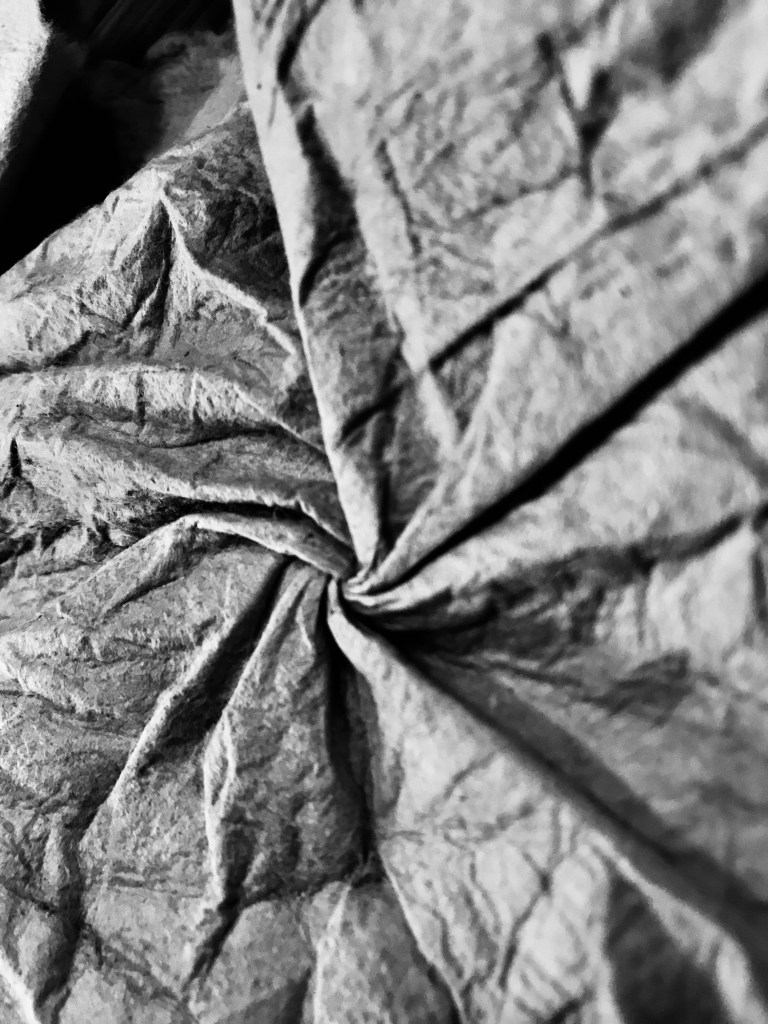
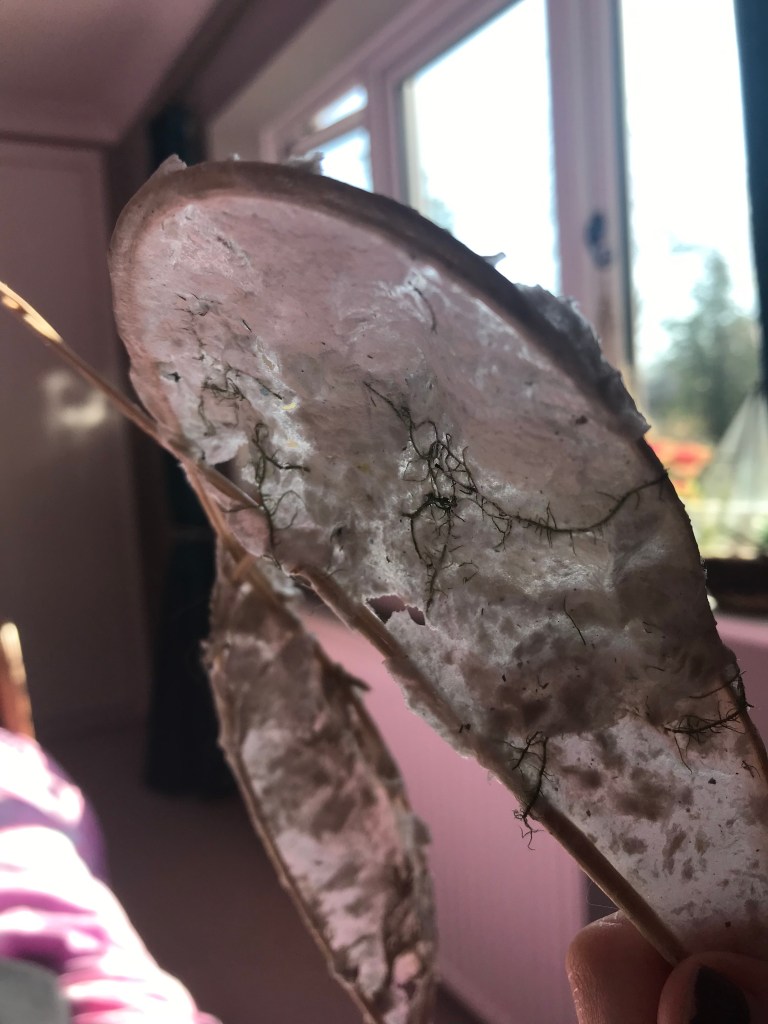
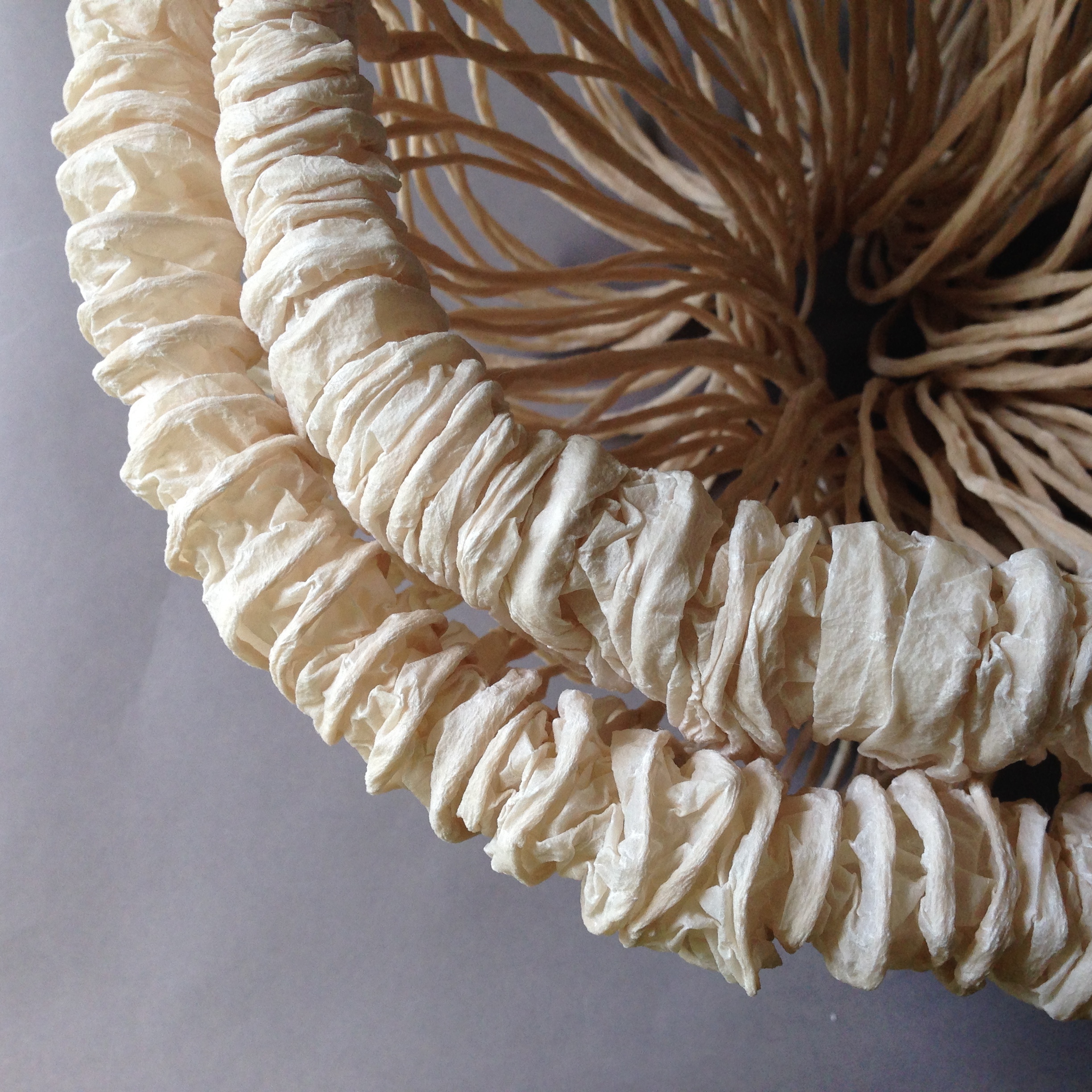
Extremely beautiful quality to the abaca paper. This reminds me of rock textures, I am interesting in exploring this texture further using my paper I am able to manipulate the paper in small ways, but far too soft to hold its own weight for larger manipulation
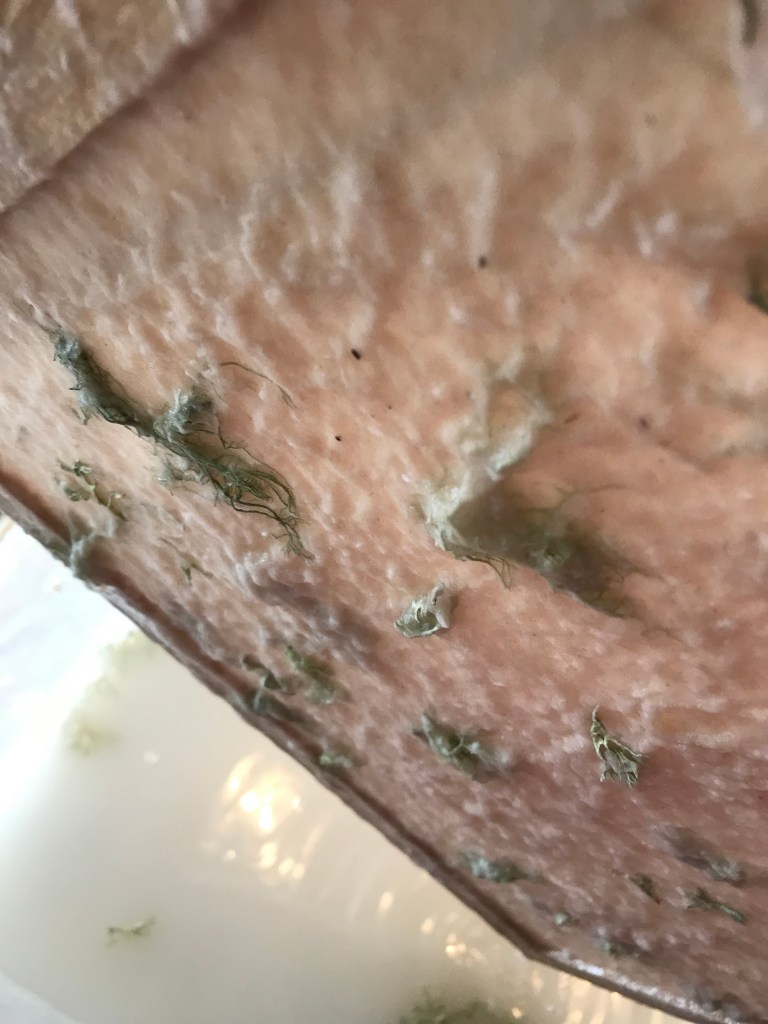
I then blended 50% recycled cartridge and 50% abaca pulp paper and I have found the cartridge gives it the strength and the abaca gives it the fibre and opacity. I was also able to get this to be tissue paper like and extremely strong, which is what I wanted so that I could create and cast forms which potentially could be very opaque.
50:50 abaca pulp and cartridge paper pulp
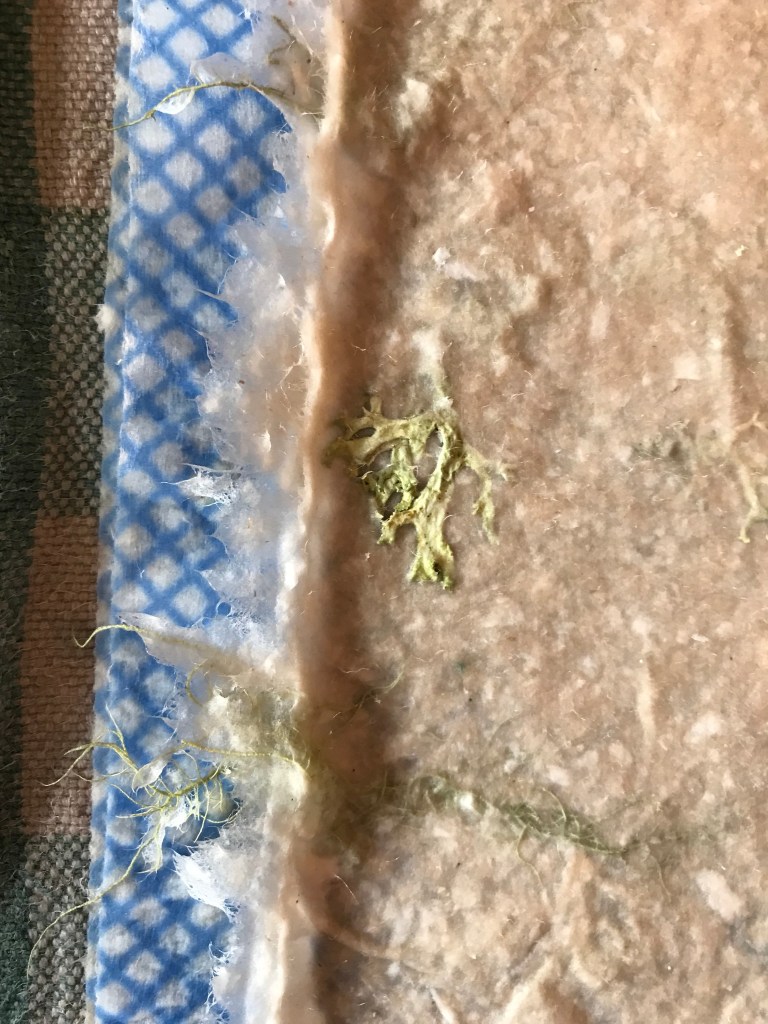
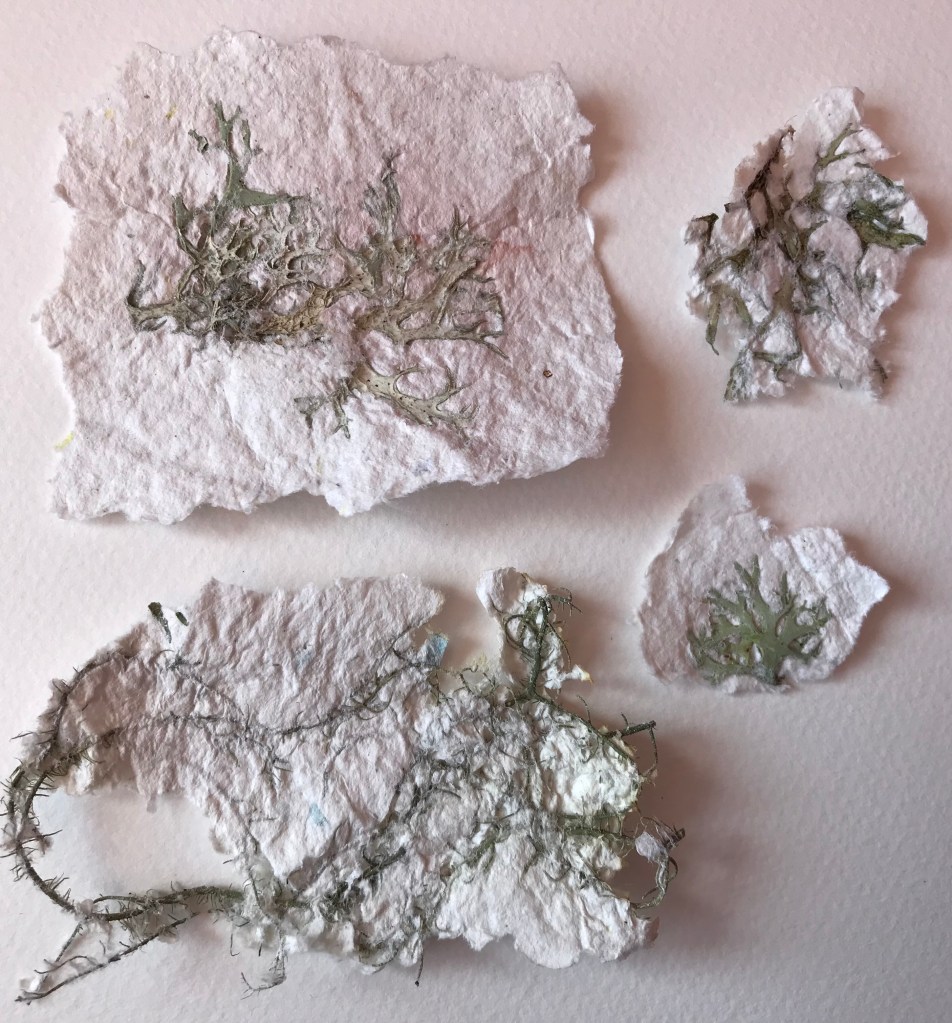
By cutting up the bits of lichen smaller and separating out the strands I was able to couch whole unbroken sheets, whereas before when the lichen was bigger and the paper pulp wasn’t as strong large holes wold form and rip in the paper as a result of removing then of the cloths.
Whereas previously I used pva glue to bond the sculptural forms and sheets of paper together (in the bowl project and previously made paper) I really want to consider my environmental impact and how I can primarily use natural or decomposable materials in my work, rather than more harmful artificial materials. Looking into this I found that cornstarch can be used as a stiffener for fabrics and fibre, this could work for my forms as you can make it into a glue substance. This is definitely something I want to experiment with.
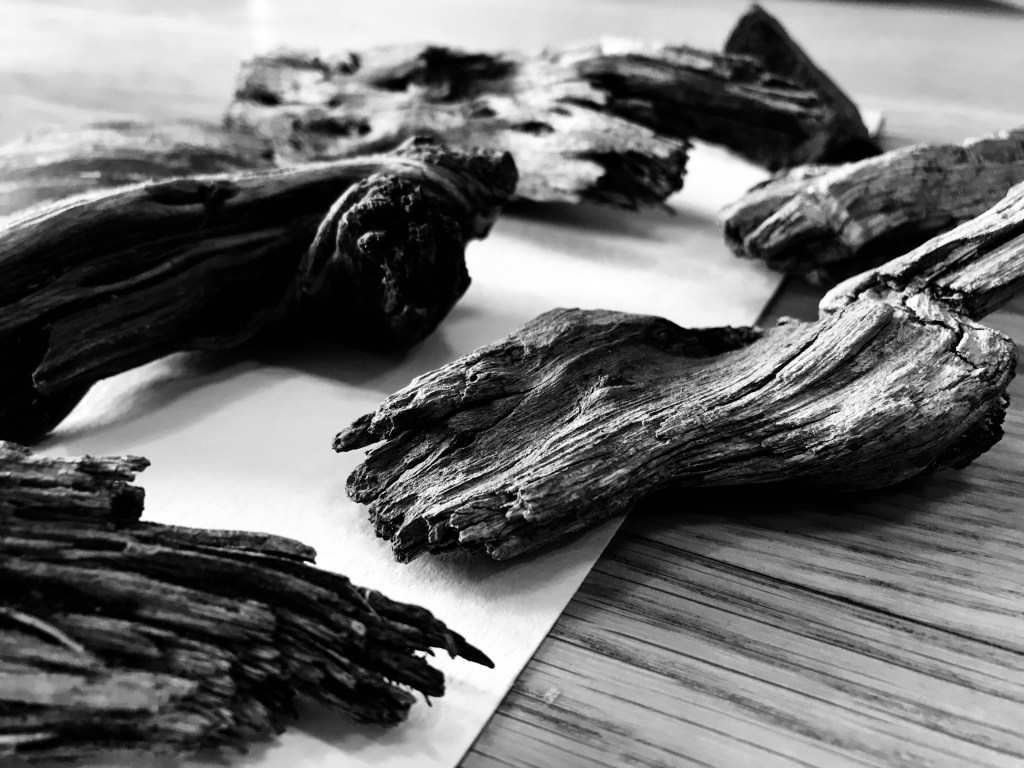
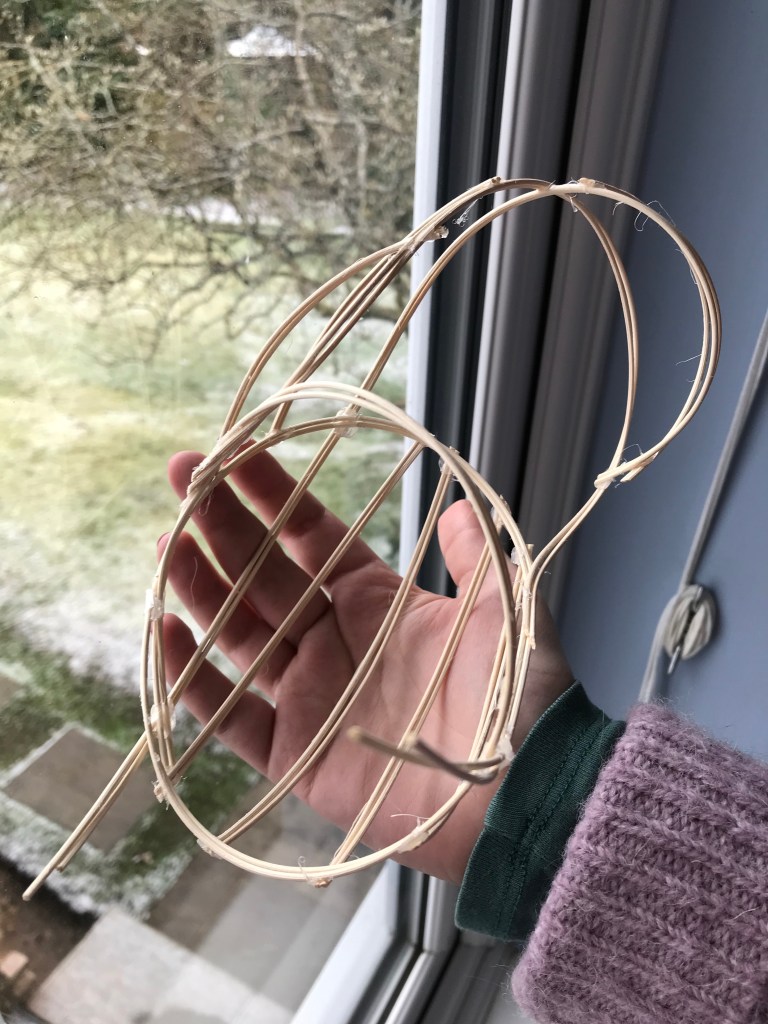
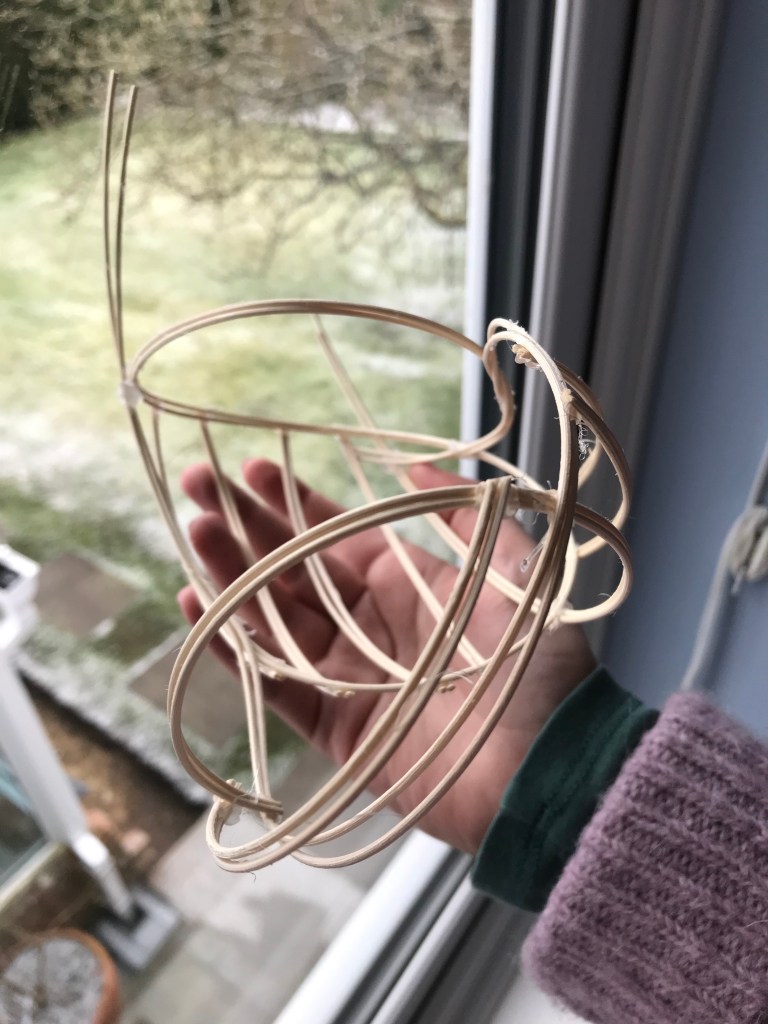
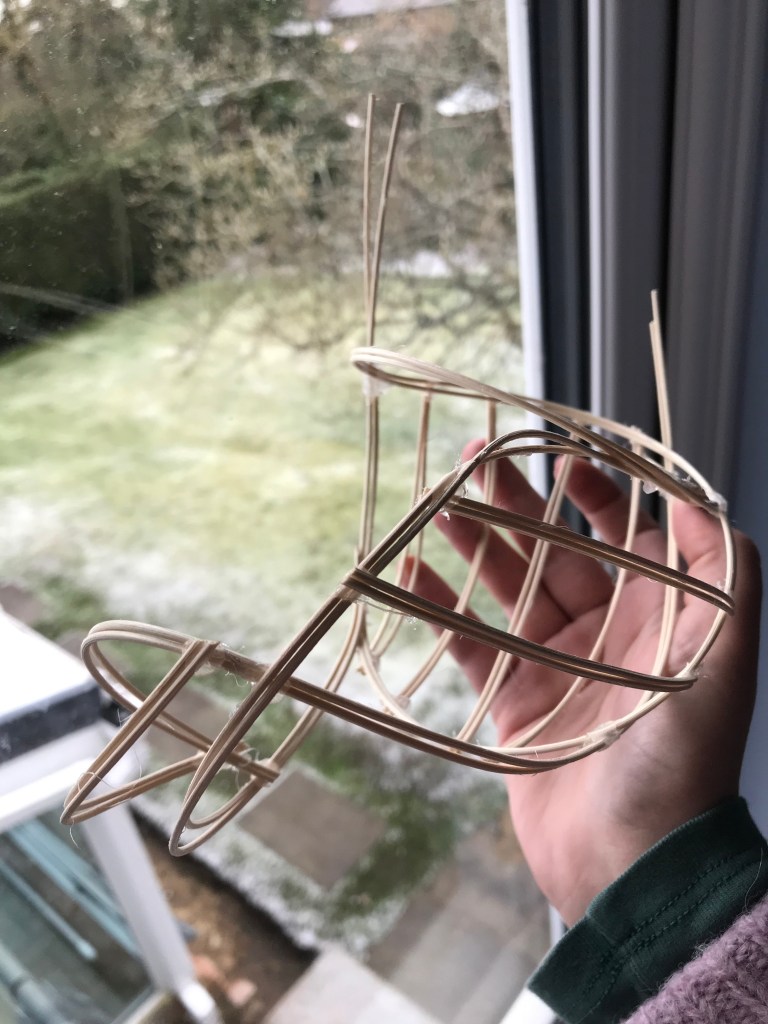
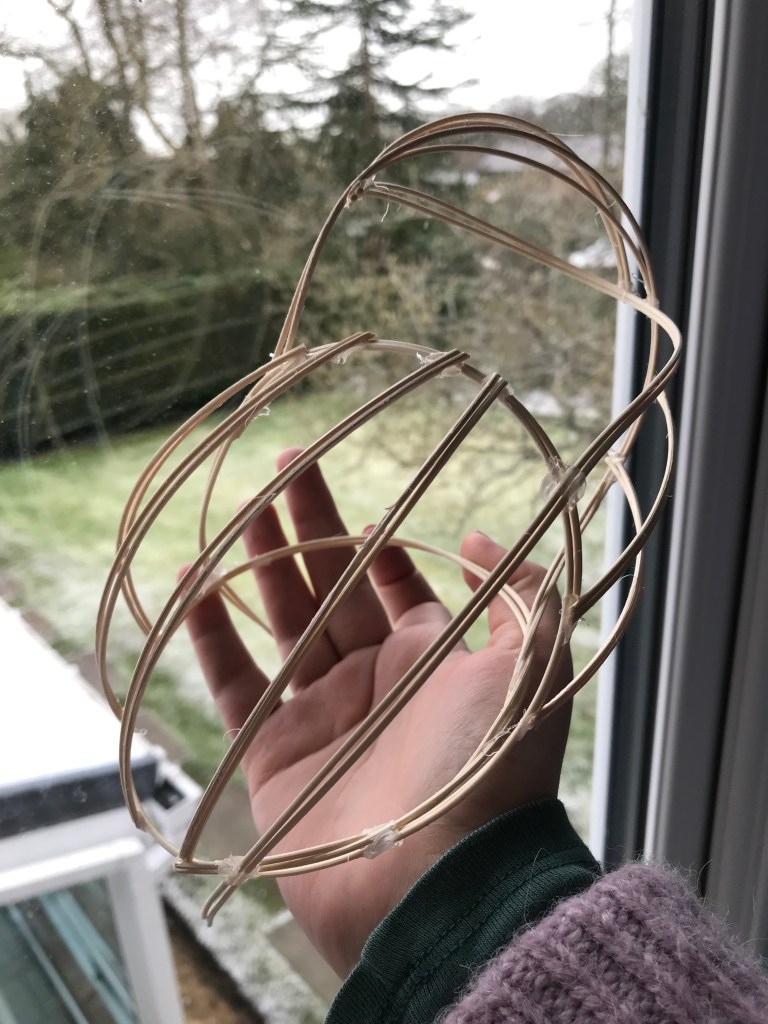
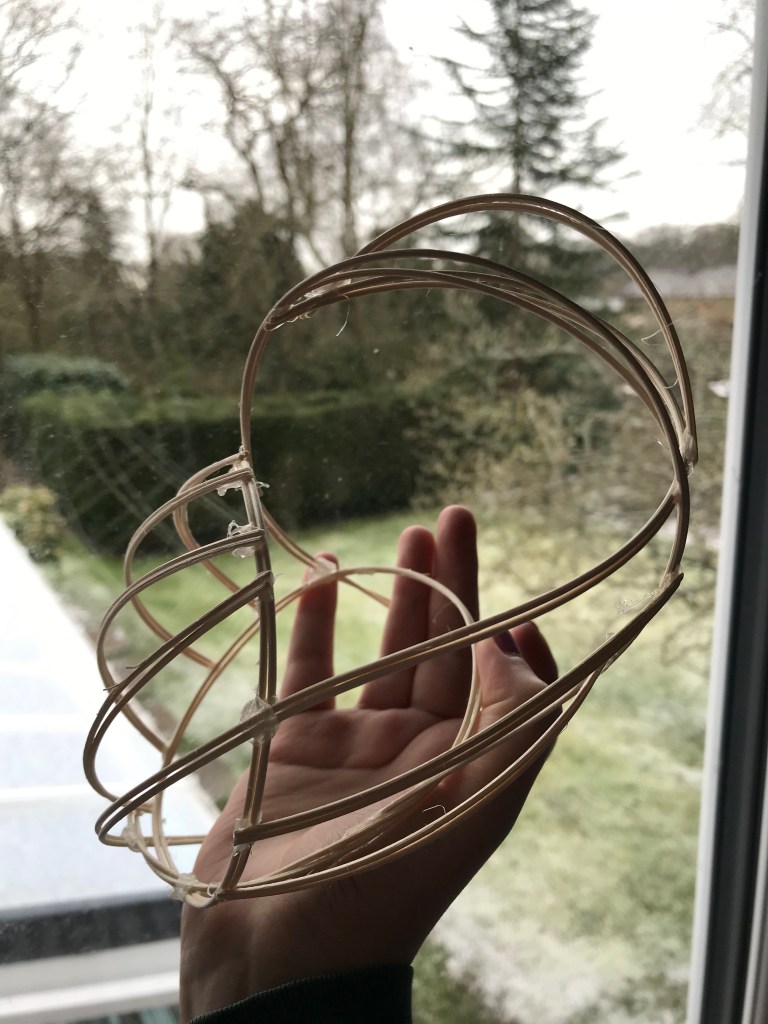
On reflection, the wicker frames I had created in response to the natural organic twisted wood images were not as successful as I would have hoped, although I like the structures and like the control I have over the wicker due to its flexibility. I find the forms are too rigid for me and the forms did not resemble inspiration from natural forms. The fragile fibrous nature of the paper was lost due to the use of pva glue (if I were to do this again I would use a more natural binder or glue to make it more sustainable and environmentally friendly, in theory the paper would then be decomposable) making them shiny.
The paper I had used for these forms was hand made paper used with recycled and reclaimed cartridge paper, making quite heavy thick paper, this became quite rigid when manipulated with glue and flimsy when wet as the fibre structure is quite weak.
To rectify this, I want to abandon the wicker form idea and focus on perfecting and experimenting with the paper making as well as exploring alternative forming with paper.
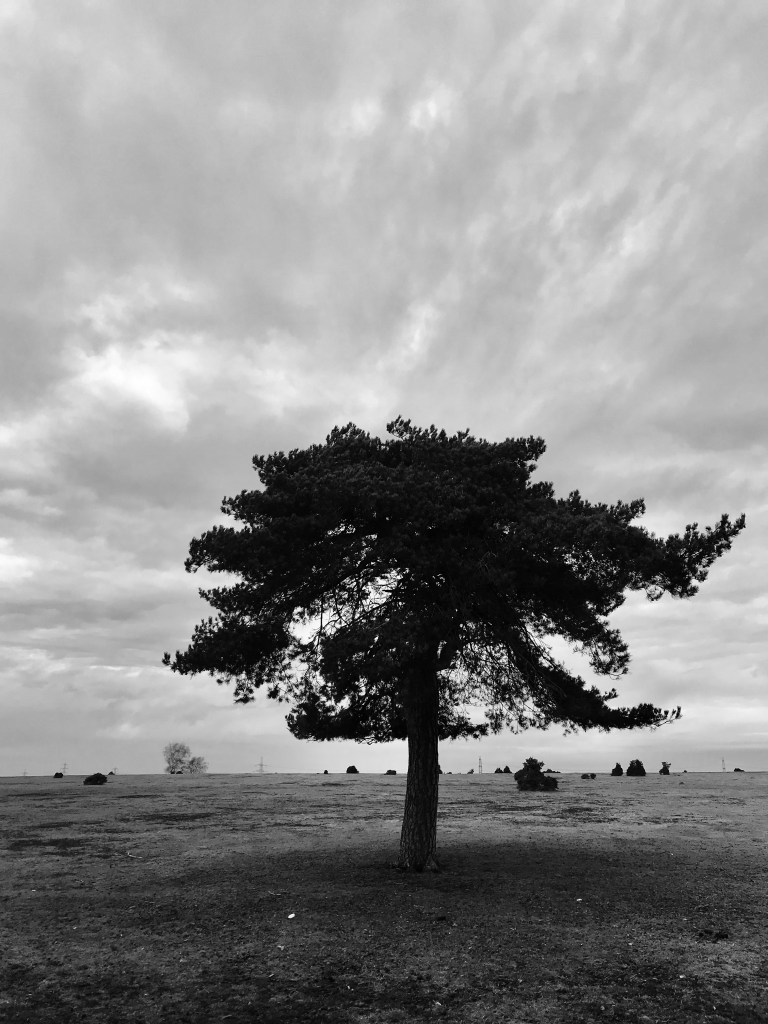
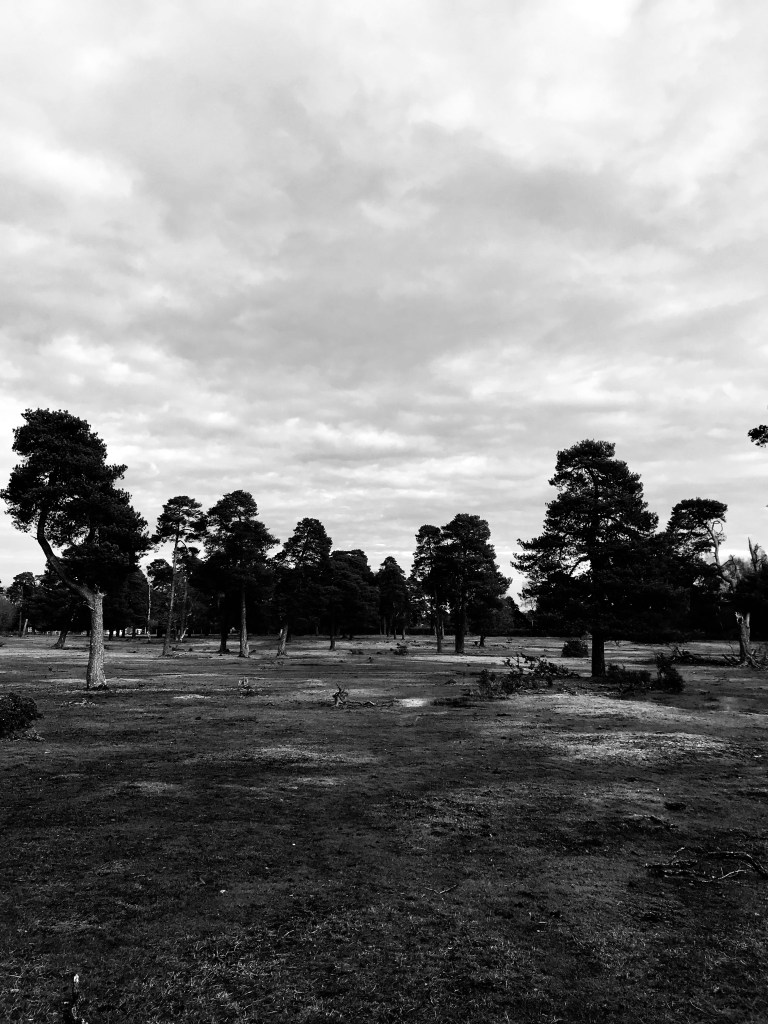
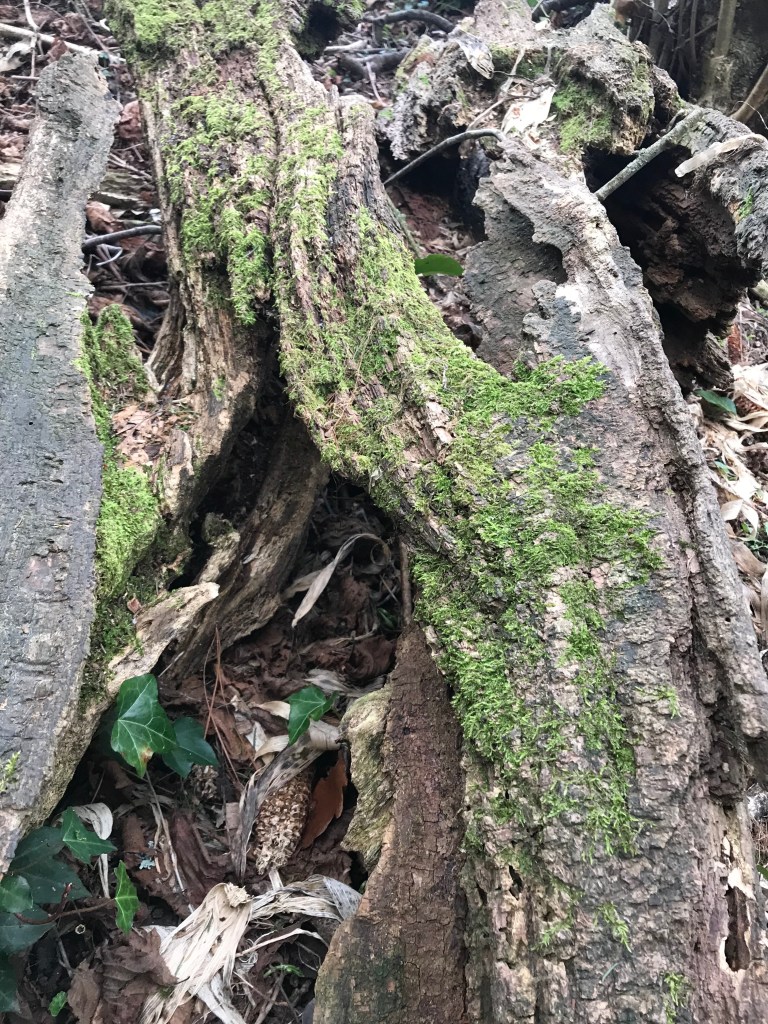
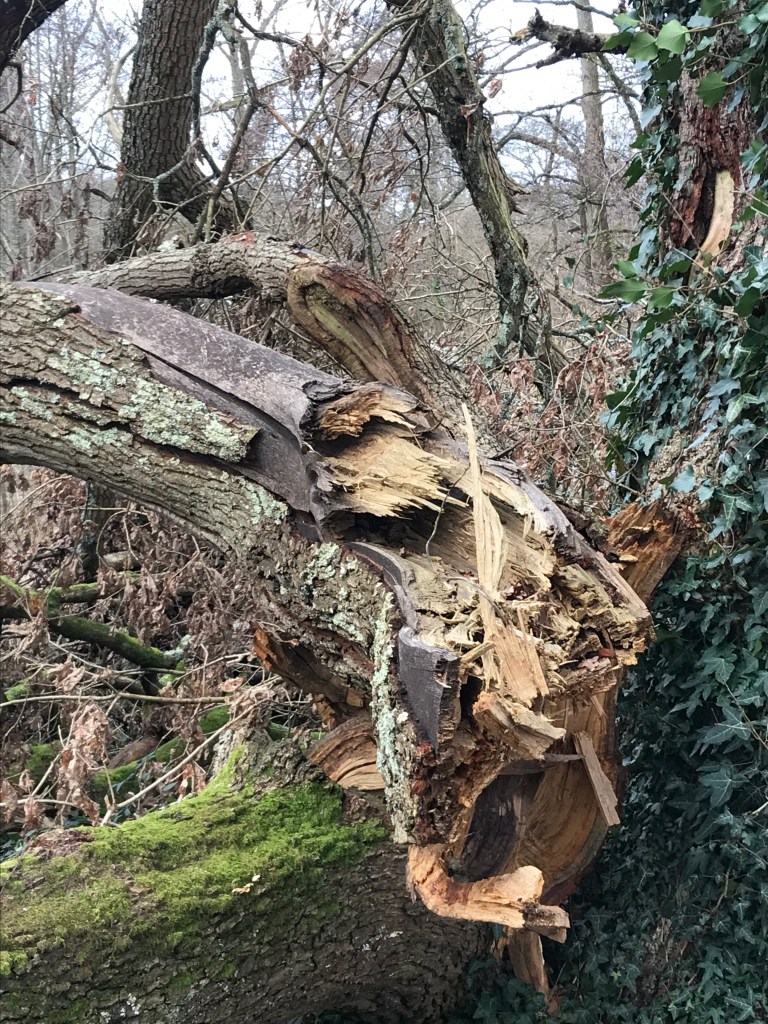
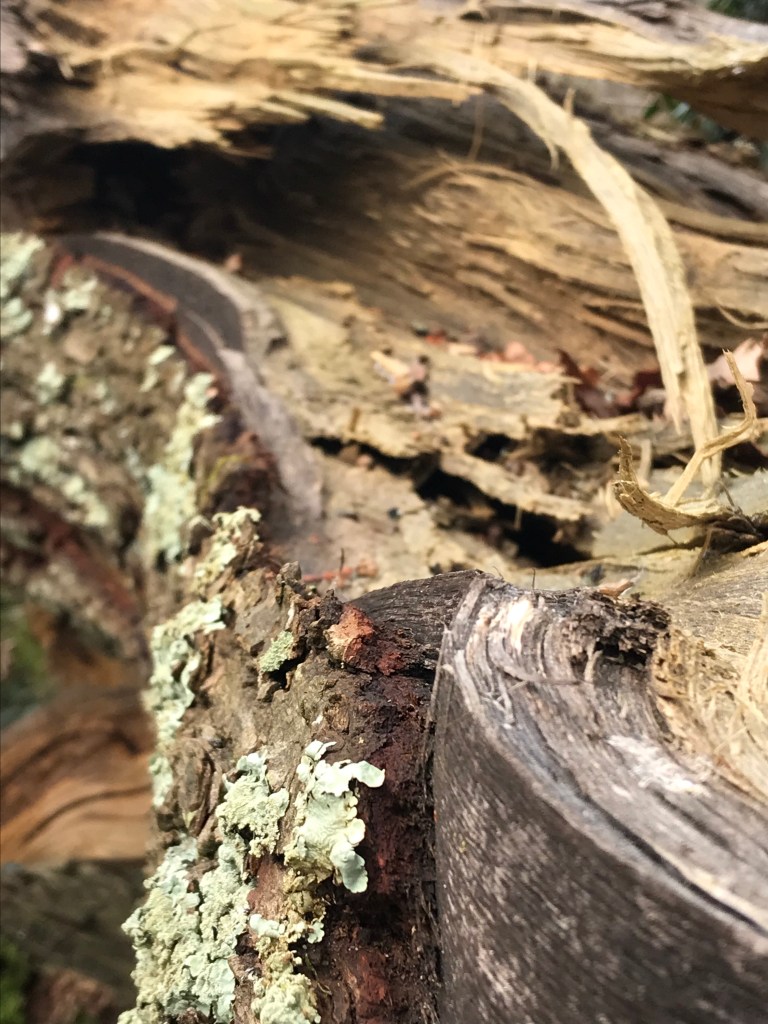
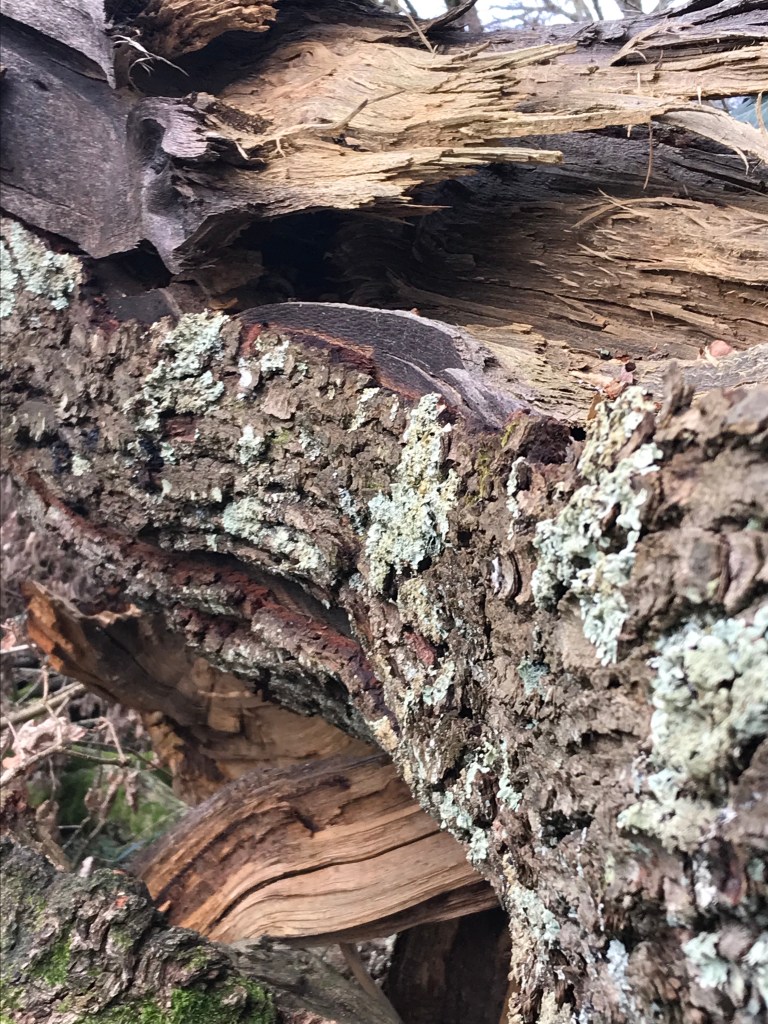
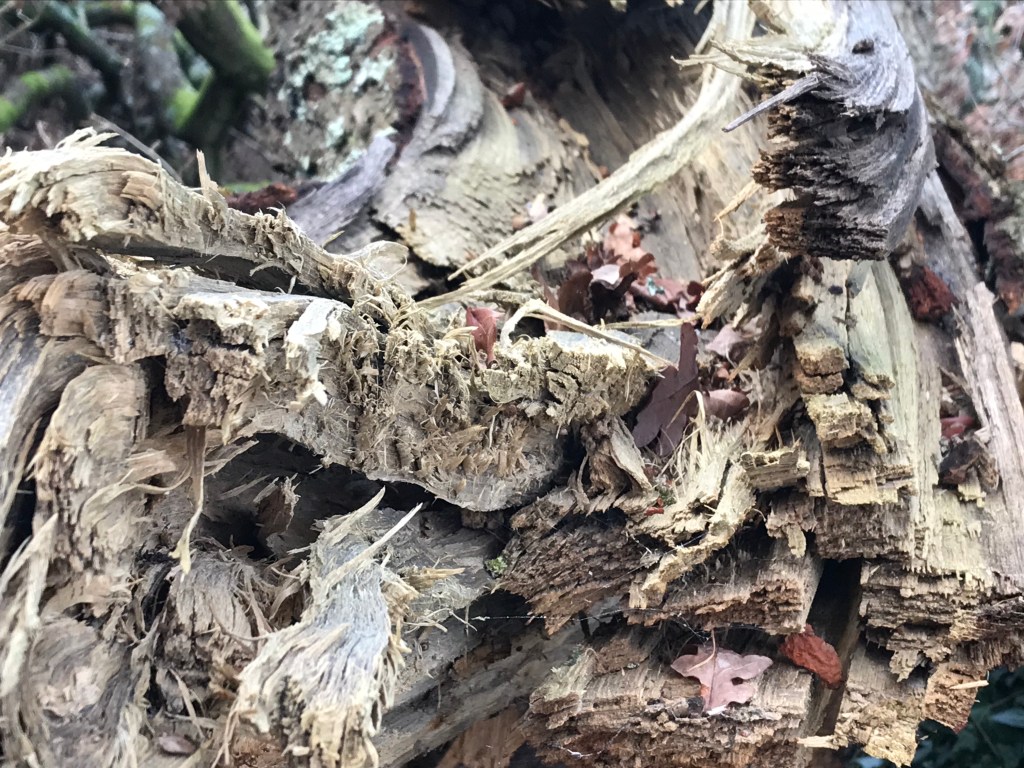
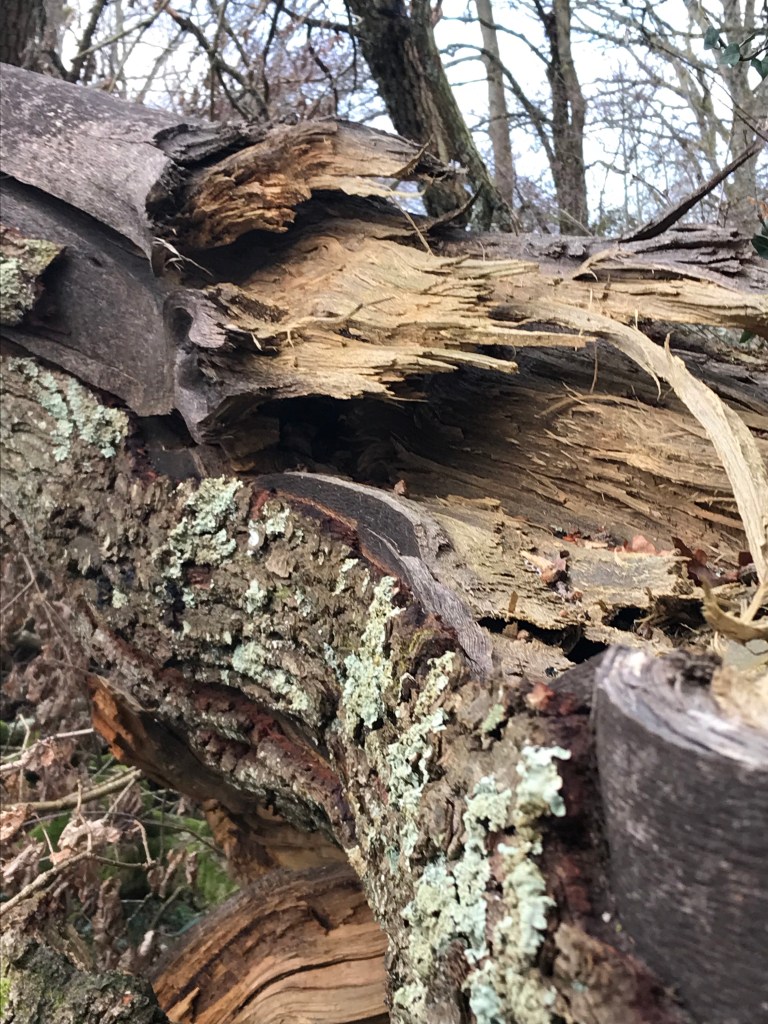
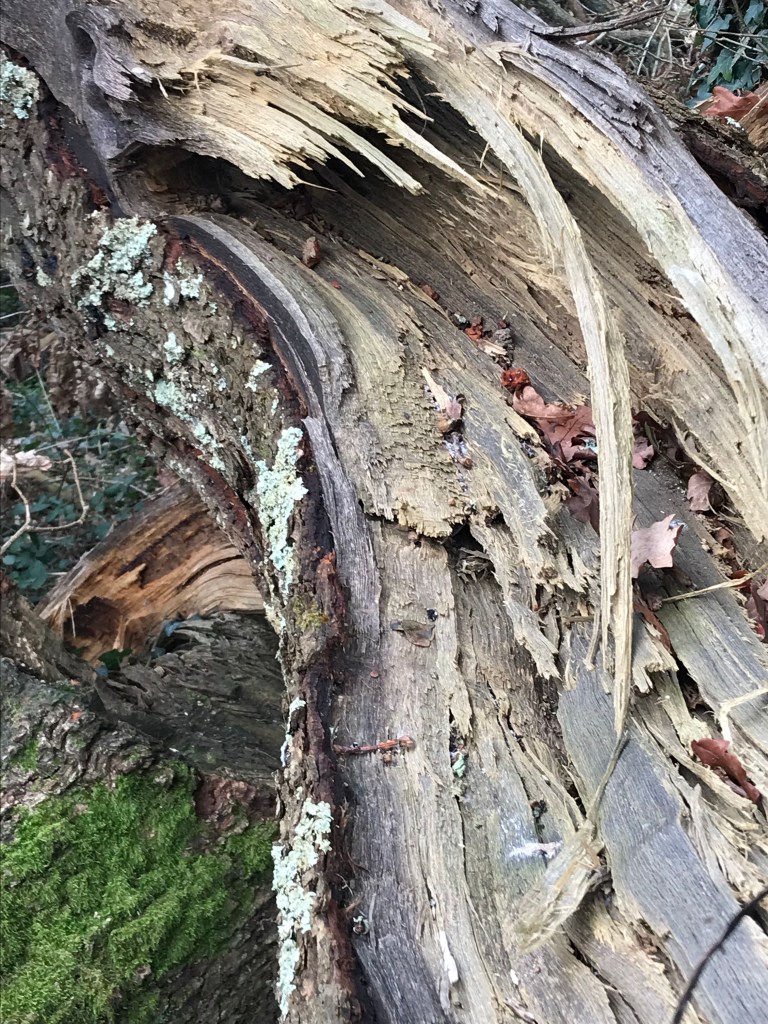
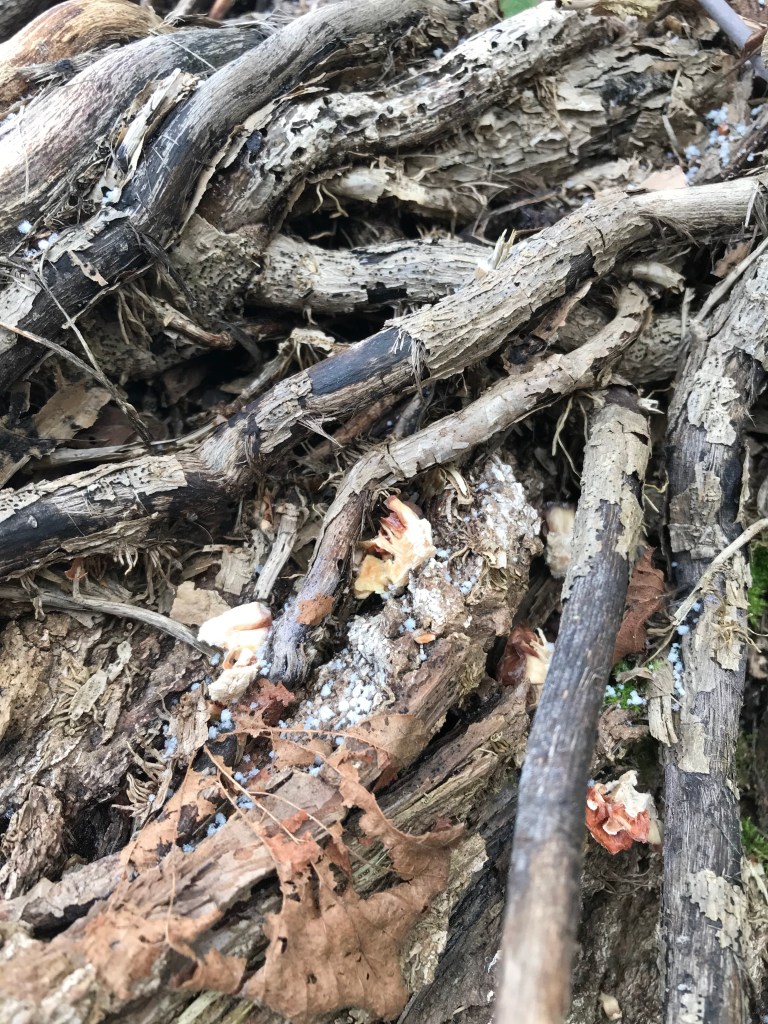
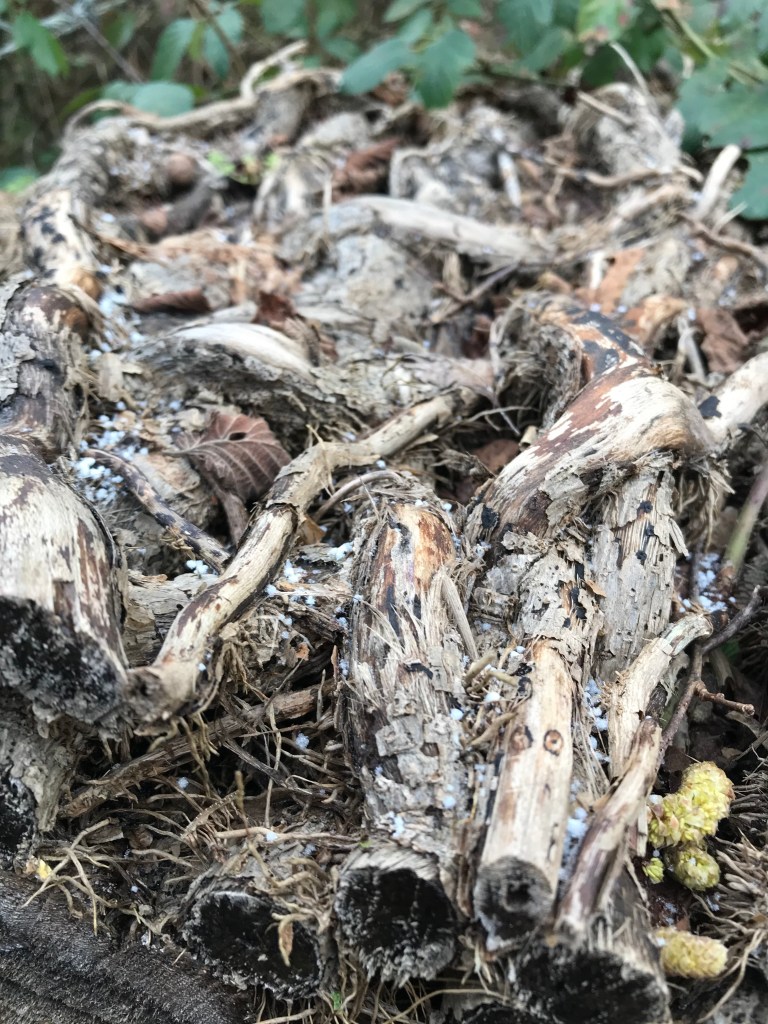
Moving Forward I want to focus on the natural form as my inspiration further expanding on the connection my work and my found materials have with the New forest.
Peter Gentenaar is an intiallation based artist who works with paper to create large scale twisted structures that he creates using a bamboo frame as a vacuum in order for the handmade wet paper sheets to shrink over the forms to up to 40%.
His work creates interesting twists and distortions in the paper created by a controlled placement of paper and colour. These are inspired by vacuum process, the forms have subtle similarities to leaves, when they curl up as they dry. This is a completely natural process of drying where the forms start as 2D sheets and form into 3D forms as they dry.
This natural drying process is interesting for me and is something I have witnessed in my own work. It would be interesting to find out if it is the material choice of my hand made paper that causes this shrinkage, or if it occurs in all types of paper.
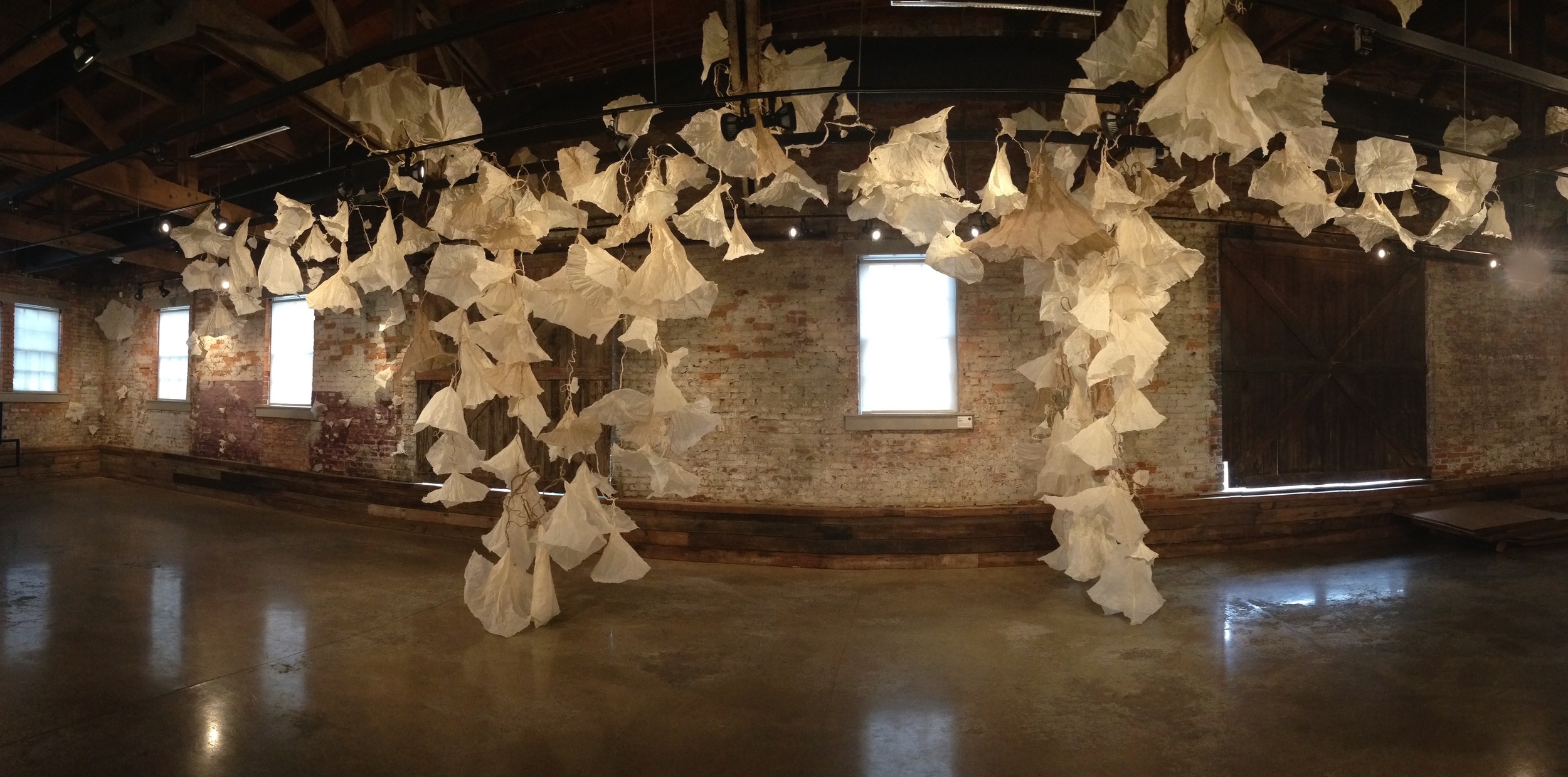
Jocelyn Chateauvert makes paper sculptures from hand manipulation. Using abaca handmade abaca paper, She makes the papers and manipulates then in their wet stage once they have been pressed but not yet died. There is evidence of natural organisms being the inspiration for Chateauvert such as coral.
What makes her sculptures so successful is the textural and opaque qualities. there is enough strength in the tissue like paper to hold the forms but also the fragility creates a beautiful organic looking sculpture. I enjoy the way the sculptures interact and twist.
she works in paper constructions creating hanging, free standing and large scale work that can feature both in a contemporary gallery space and as installation work.
Chateauvert has inspired me to explore ways in which i can strengthen my own paper and give it rigidity and strength. I really enjoy the way the work is dyed, twisted and manipulated whilst wet, this is something i want to explore further when the abaca pulp I have ordered arrives. What astonishes me with this work is how no structural supports are used to hold the paper it bonds to itself whilst wet, I assume this is as a result of the fibrous material.
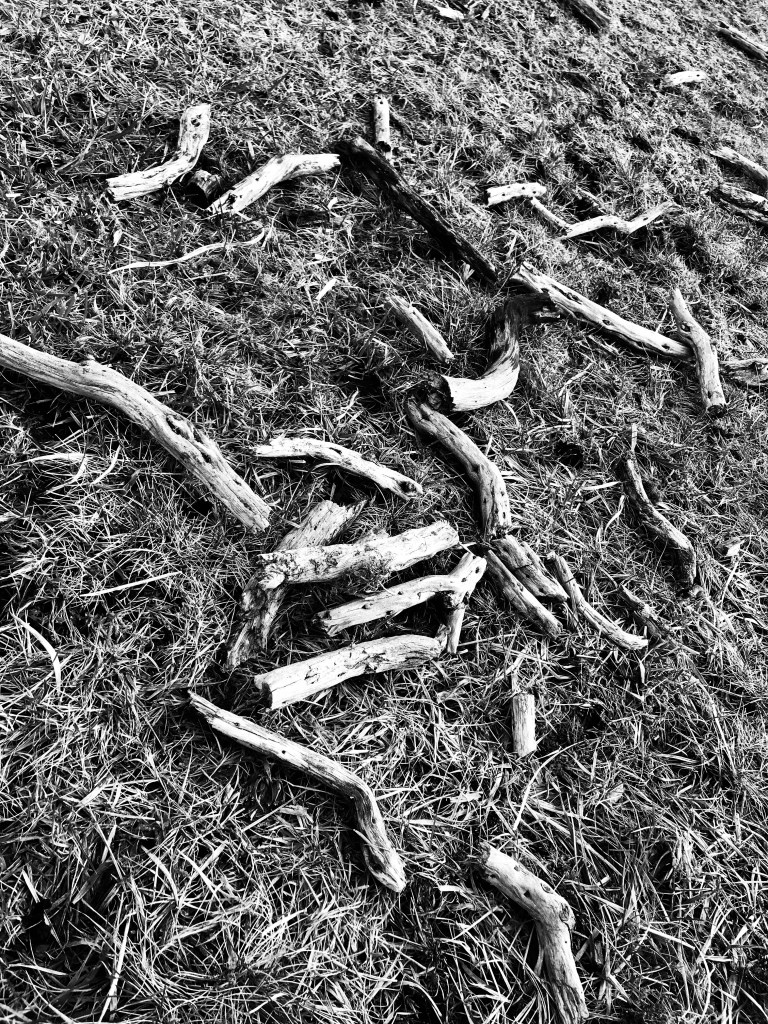
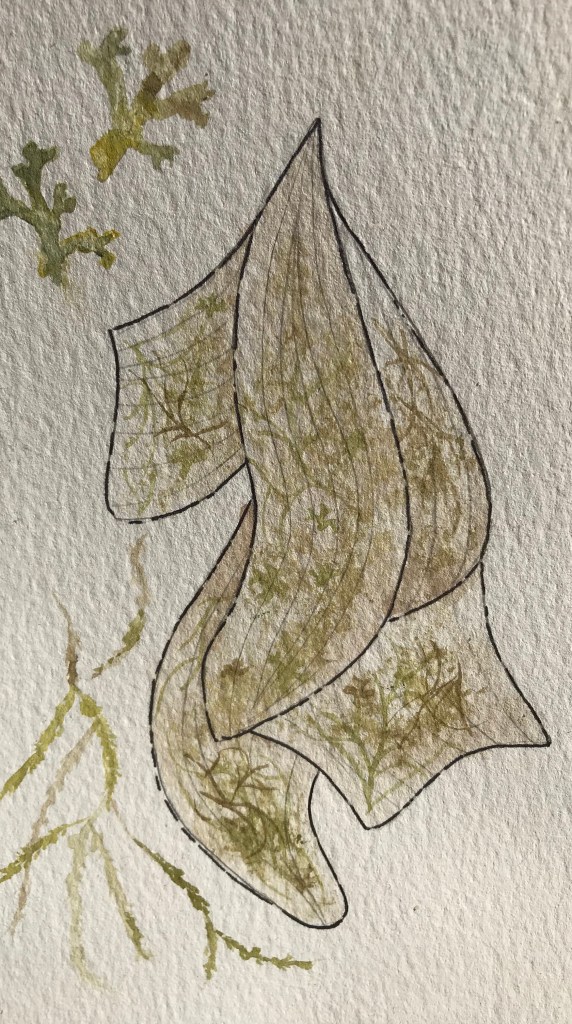
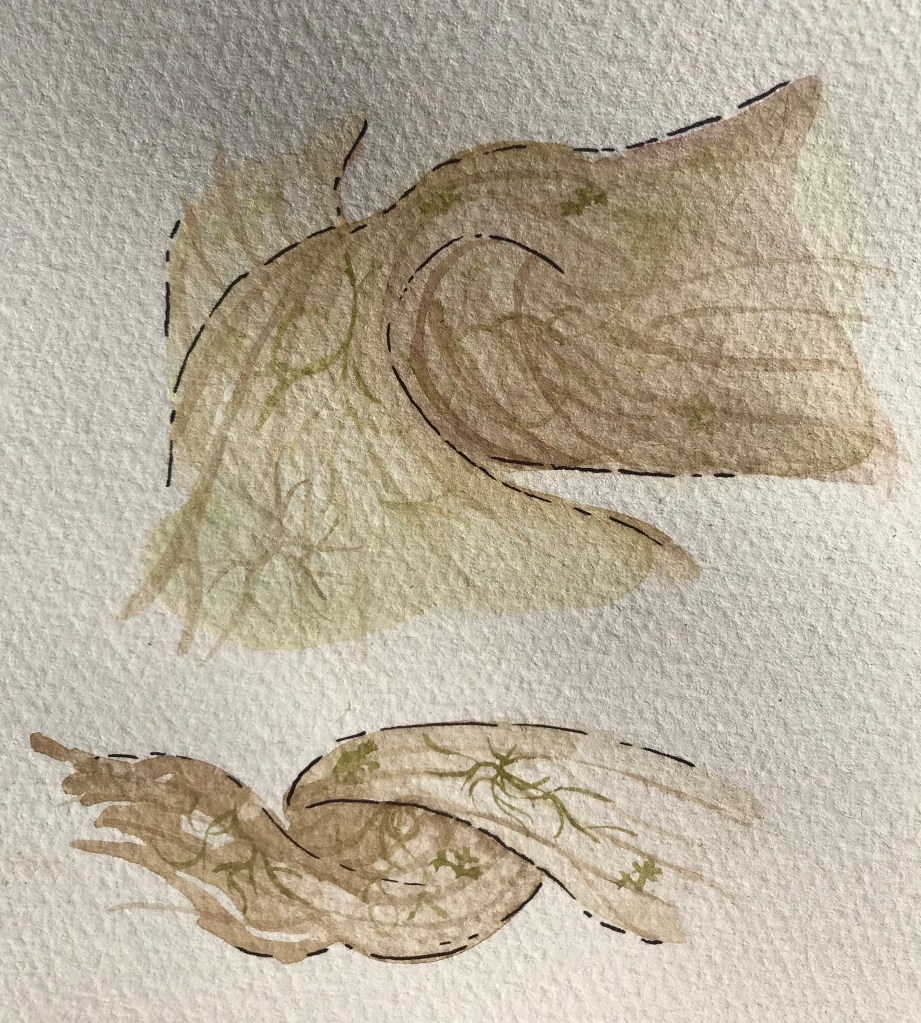
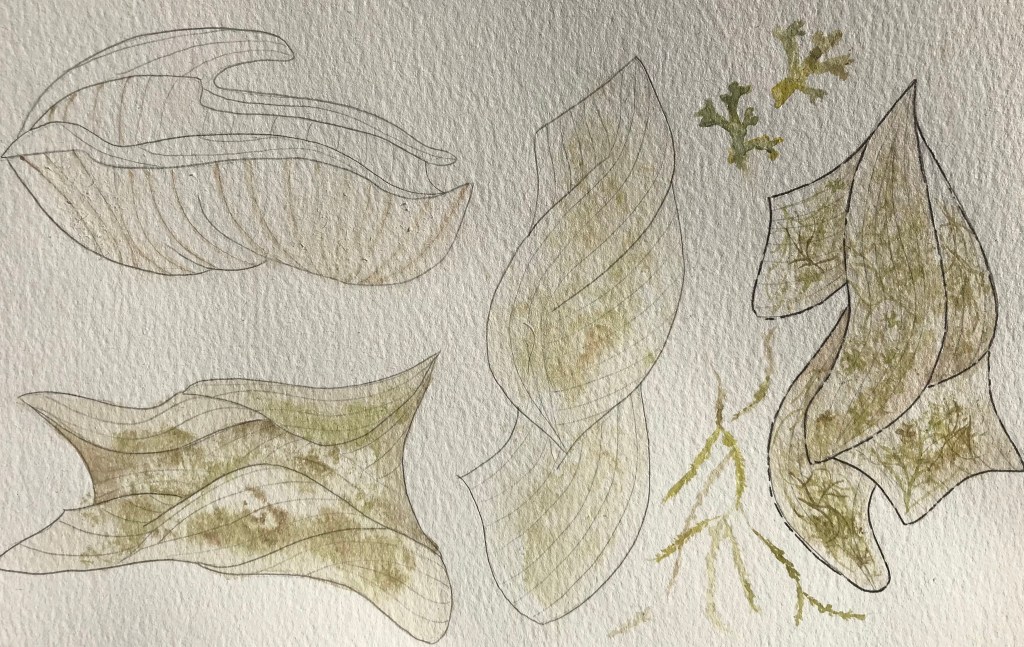
Handmade paper ( will include abaca) with licken from the new forestOrganic shape, three dimensional, structure, paper, wickerShape inspired by twisted wood from the new forest Wicker for structure and for visual interest
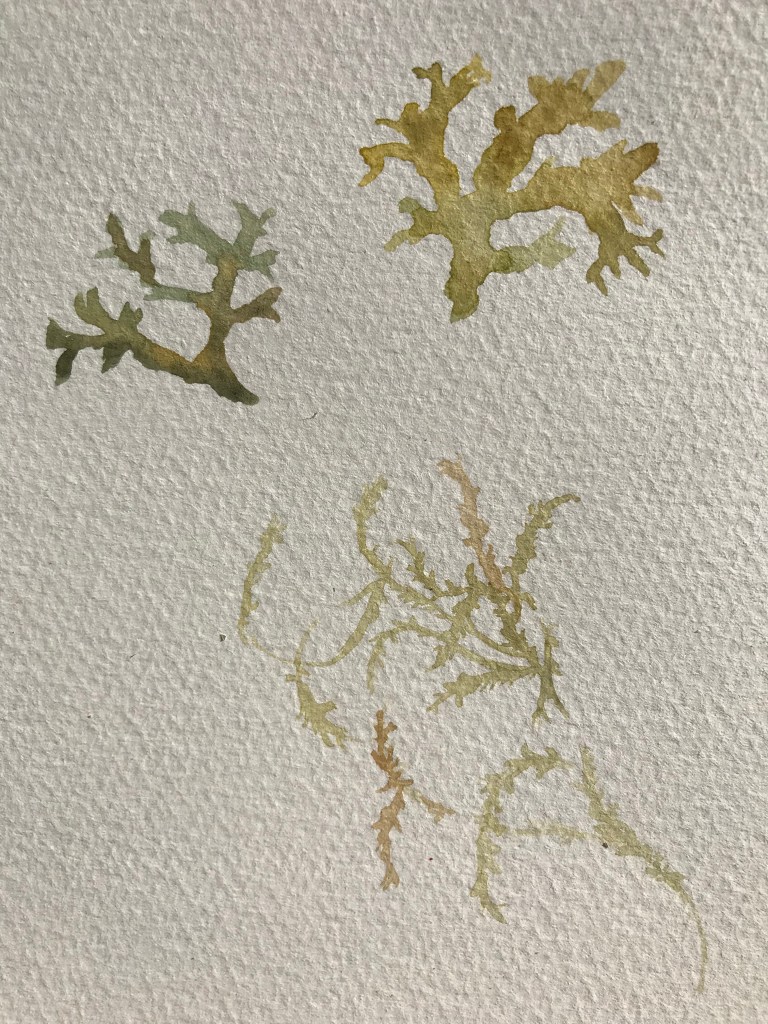
In reflection to advance my work into sculptural forms that hold their own weight I need to create some kind of support for them. By using wicker it will hopefully be able to create a frame that twists and curves much like the wood found in the New Forest. I am hoping I will then be able to college or lay my hand made paper over the frames. Whilst retaining the opaque qualities and fragility of the paper. By using licken I should be able to create some really interesting designs, that I will later be able to print and sew into.
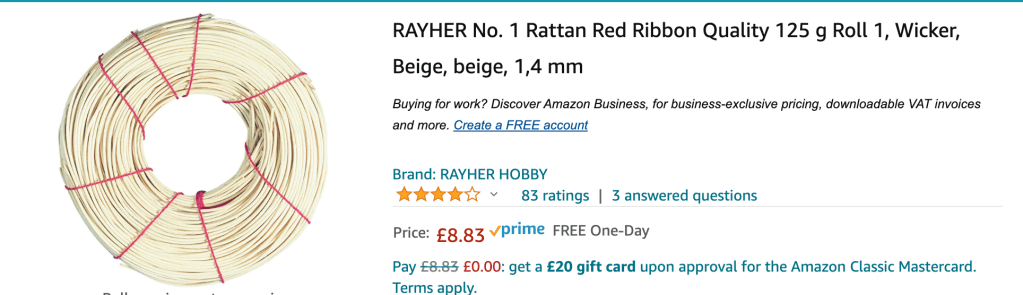
I have ordered 1.4 mm wicker in the hope that I will be able to soak and manipulate it to create the structures I need. I have not yet decided whether these will be free standing of will hang.
I would have liked to have got a material that was slightly more authentic but after purchasing the abaca pulp I have a bit of a tight budget, but I am hoping this will be adequate.
I like the idea of the inclusion or use of light to compliment the material qualities of the paper. I am not yet sure how this would work and whether it would transfer into a more commercialised lighting design or if I want this to purley be a sculptural form with light to highlight the shadows, opacity and natural materials.
I have decided to do this as an alternative to making and constructing (as I don’t have access to my book making materials). Although the skills, materials and techniques are very much transferable between the two and sit within the same reals. I am hoping that I will then be able to make a collection of artist books and paper forms that compliment each other.








 Lara Hoad Artist Designer: Maker