Papermaking is a traditional technique seen in both western and eastern cultures. The difference between the two being the fibres being used and the types of papers created. The methods are pretty similar, they both use a vat if fibrous material, a mould and deckle (or sugeta a Japanese version made from bamboo) the same process of pulling and pouring techniques.
Washi paper is a unique Japanese paper made using unique fibres found in the area. The fibres are processed from the gampi tree or mulberry bark and created into sheets using traditional methods.
The only real thing separating the traditions of western and eastern is the fibres used to make the papers. paper making holds its origins in china.
Western cultures use tend to use hemp and cotton within the process, as well as combining gelatin within the paper making process ( I replaced the gellating or binding agents for natural cellulose glue in my process)
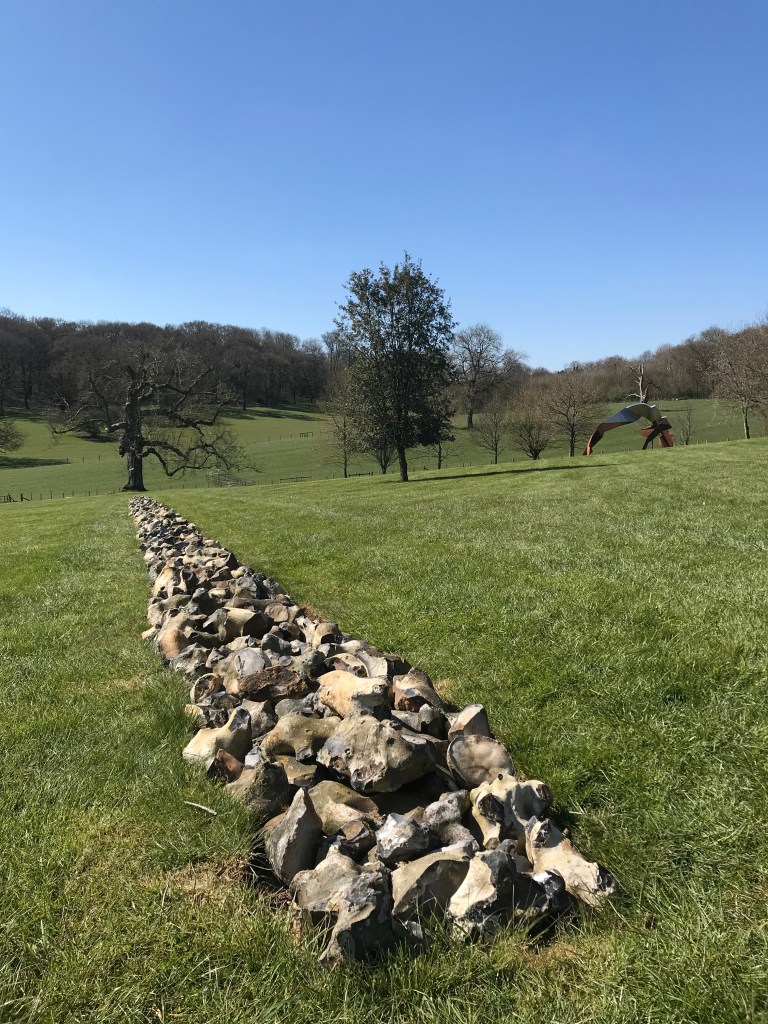
The New arts centre was inspirational for me as I enjoy how sculptures can work or be influenced in an open outdoor area. Roche court is a sculpture garden with gallery spaces, holding some very influential artists for my work over my time at uni including Richard long and Barbara Hepworth.
It was enjoyable to get up close to the work and experience it within the countryside. They can almost adopt a new meaning or you can see them differently.
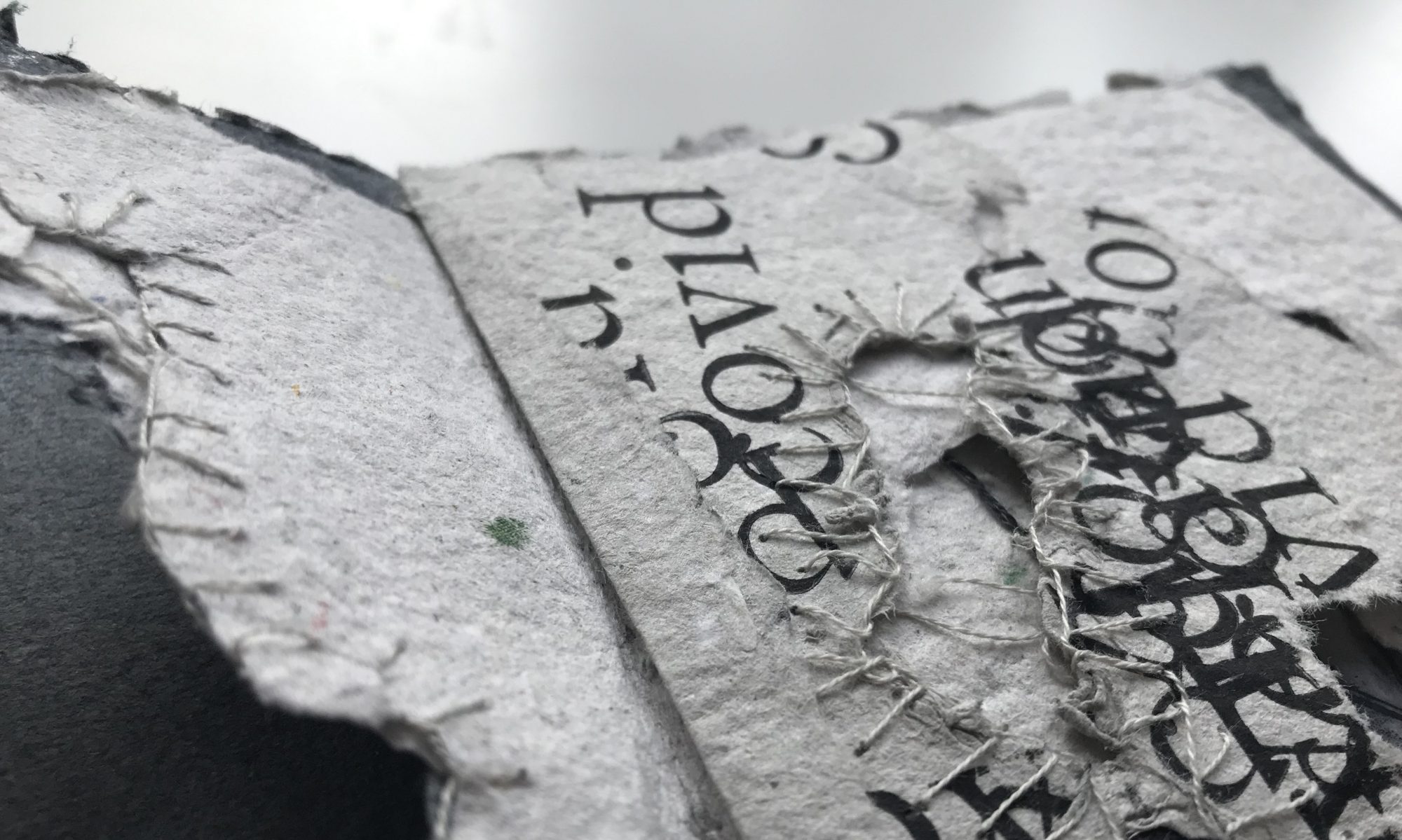
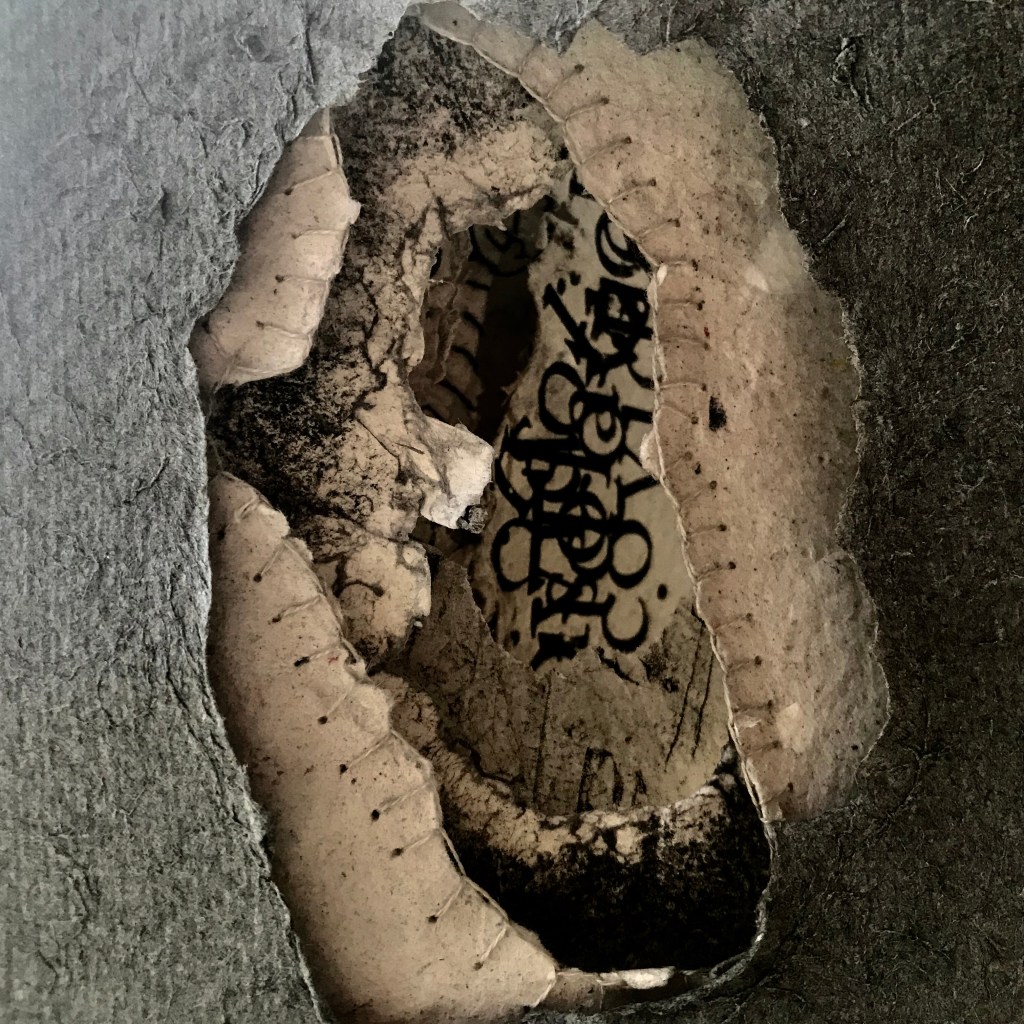
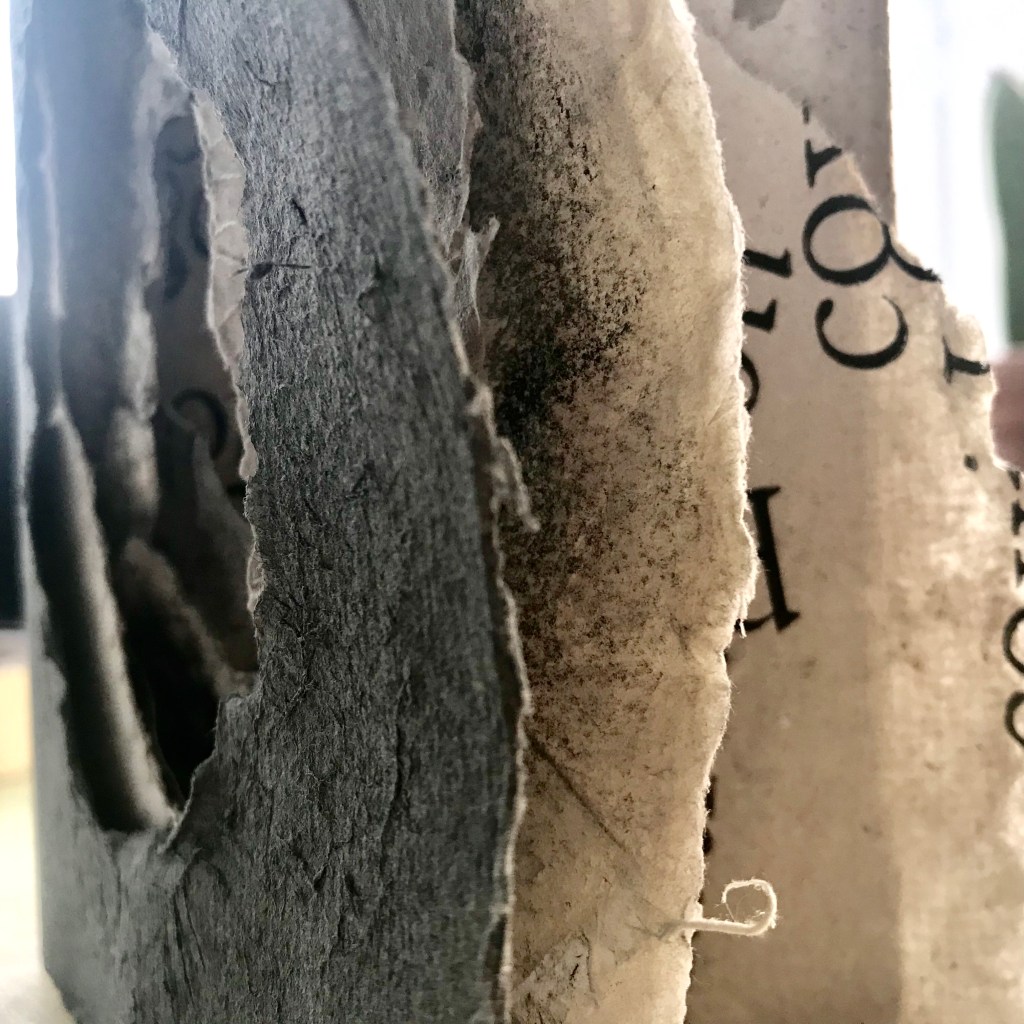
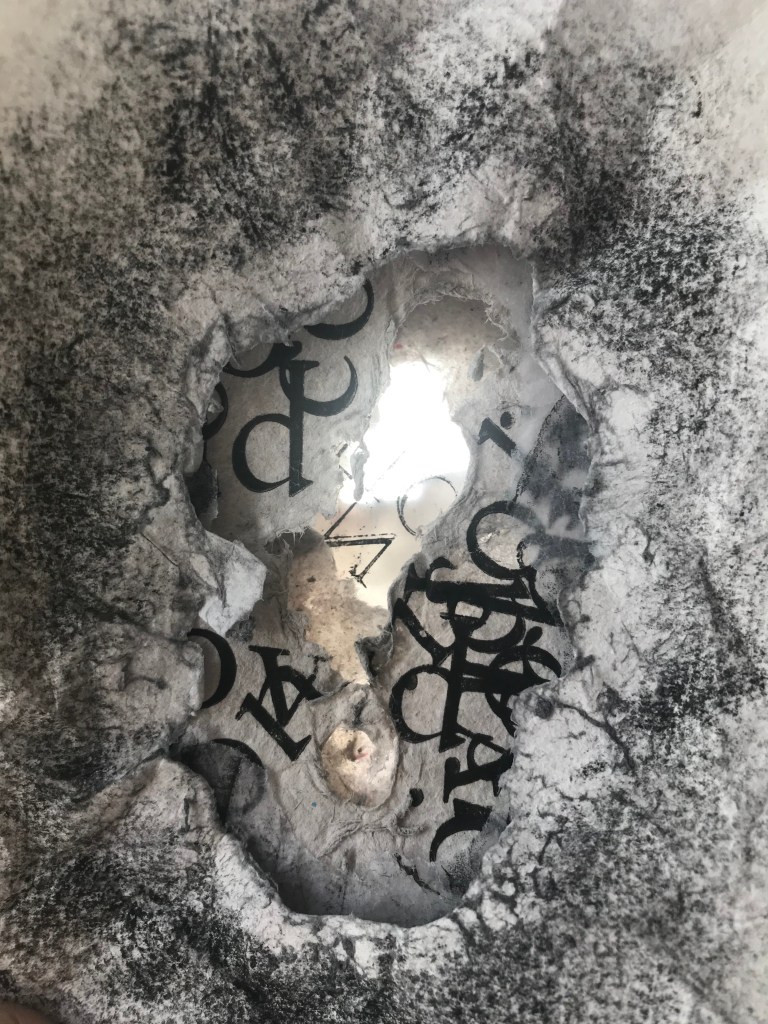
I wanted to explore ways of creating depth and a sense of loneliness through layering of handmade paper, letterpress and drypoint prints in order to explore the concept of loneliness using depth and the torn sheets to emphasise this feeling. Leaving little light to travel through the pages. This was also beneficial to work out my composition and organise the sheets into the orders that would have the most impact when the viewer came into contact with the book.
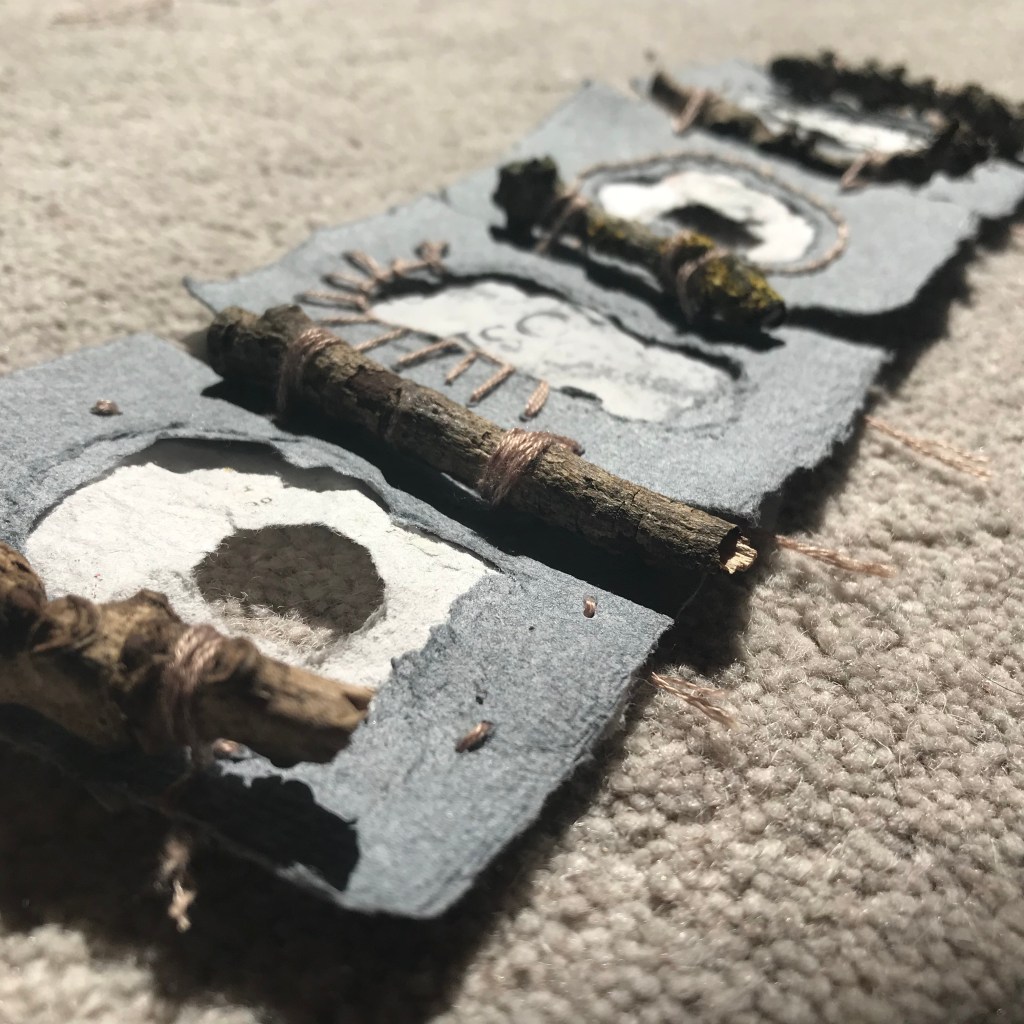
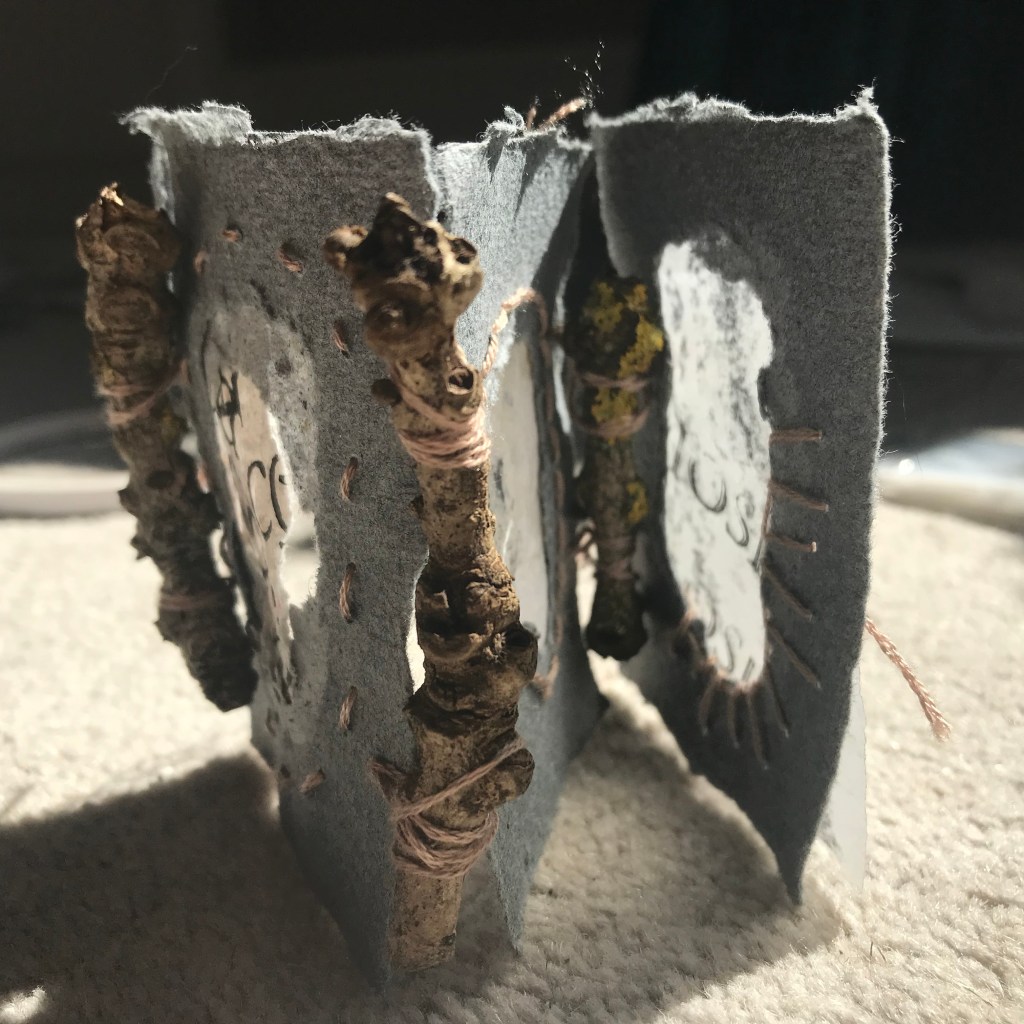
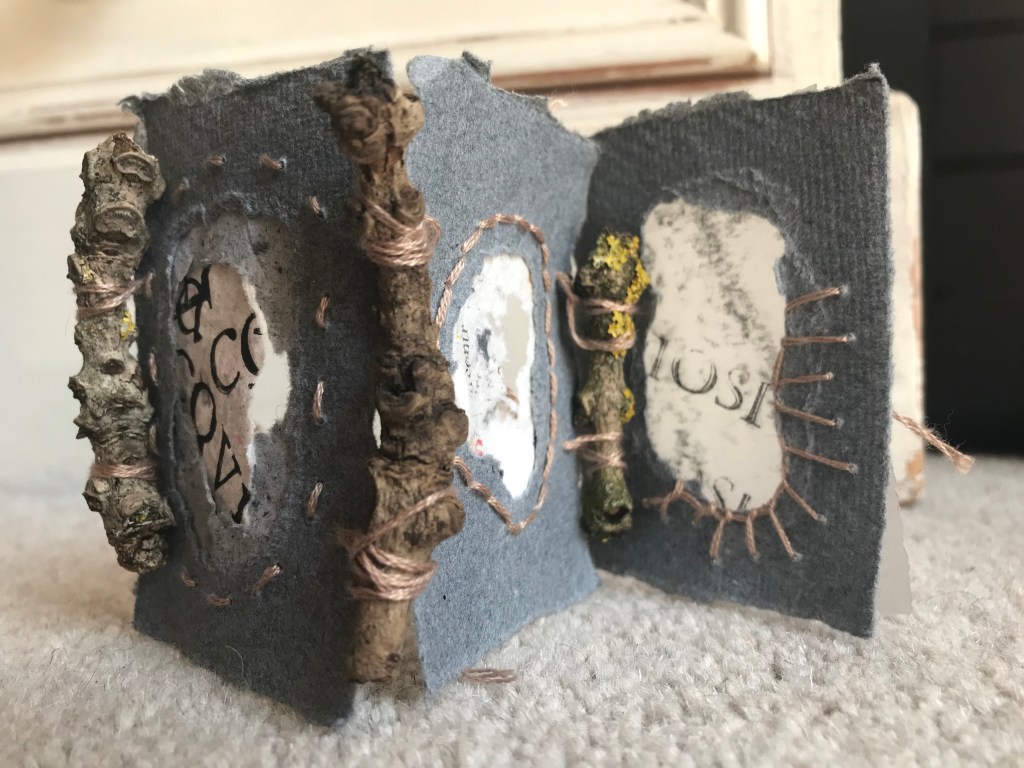
I wanted to experiment with alternative and more unusual book structures to explore the concept of loneliness. Although I found the first experiment was successful for creating the connection back to the lake (where i took inspiration) by using the sticks collected from the location, the ideas of loneliness don’t necessarily come through. The concertina creates a more three dimensional structure. I find this does not support the papers enough as the structure wanted to collapse and this would not necessarily protect the papers very well.
Leslie Pearson is a sculptural fibre artist who creates three dimensional forms and artist books. her Artist Book, Bottled Up Emotions looks to explore the intricate layers of emotion bottled and stacked within a container, concealing possibly creating a sense of the unknown or private. documenting a time, a feeling or a memory. Pearsons uses thread to stitch each page of the concertina together, developing a tactile hand made connection between the emotion. the use of paper creates a sensitive delicate forms that has fragmented edges and looks to be burnt or aged.
I enjoy how this artist has created an unconventional book, creating a content with sensitive meaning that is hidden from viewer unless it gets unbottled. This also acts as a way to protect the delicate layers of paper.
Pearsons work informed how I approached the fragile paper, and how to manipulate and work with , although my book is more of a conventional form, creating the stitch between the pages allows for the form to have a personal representation to me experience of loneliness. I wanted to create something with some rigidity and ordinary so the viewer could explore their way through the book, without being informed to do so. i also wanted to have a very obvious narrative. i wanted the viewer to be aware of the connection to covid 19.
I had found an interesting article online called Storytelling in learning: A tale as old as time https://www.cursim.com/blog/storytelling-learning-a-tale-as-old-as-time/. In the article they talk about the importance of storytelling as an adult. how a story that is told well can create empathy and emotional connections. this is the same with using visuals, which has long been used by humans to create understanding and document a time. visual communication can also enter the long term memory much easier than text.
through my work I wanted to create a visual for communication for the feeling of isolation and loneliness felt by many during the COVID 19 pandemic. How there are boundaries and things that are blocking us from touch or connections with other people. i had experienced isolation and loneliness through the pandemic myself and noticed when i went for daily exercise it was evident that elderly people who were walking alone and stayed away from people could be going through the same thing, furthermore people who were high risk are isolated further as they were recommended to stay at home, isolating themselves further from the world. I wanted the pages to be physical barriers created through the translucent and delicate layers of hand made paper representing the difficulties for many people who are experiencing loneliness. the torn holes in the paper create the purpose of enocragmento to touch for the viewer to make their own way through the book and decide what its importance/ sigificancei s for themselves.
Much like historical drawings found in caves and similar, they document a story or a time in history, I would like to think creating a book that explores the problem of loneliness through the pandemic can allow people to explore how it may have felt though artistic representation. I found a importance in using newspapers that were documenting the pandemic, not only for the material quality but the significance of all the information (possibly further isolating content within them).
After my feedback for the bowl and second artifact project, there is a couple of things I would like to develop, improve upon and strengthen to create a deeper understanding of my work and strengthen my contextual understanding and ultimately my predicted grade for those projects.
my feedback:
“You have made a considerable journey through this module, moving out of your comfort zone in the bowl project allowed you to return with greater clarity and confidence in working with the book form as art object in your second artefact. You demonstrated a sensitive use of material and process in both your artefacts while continuing to develop skills in papermaking, printing and book binding which have all been very well documented on your blog. Your blog also shows clear evaluation and critical thinking in relation to your outputs but also future direction. It is also good to see good evidence of contextual referencing from historical storytelling to contemporary book artists, be sure to synthesis this research into ideas for future work. There is great potential for you to continue exploring the book form and working through the theme of the senses may provide the ideal context for your material and process knowledge to be creatively expanded into a collection of books, which can become more ambitious in both the construction and deconstruction of the book. The biggest risk is being too conservative with the standard definitions between form and the content, especially form a sensorial perspective. As the work progresses it would be good to find opportunities within the book art world to apply for to gain an audience and some professional feedback”
From this feedback I am keen to revisit my projects and form a greater understanding of how the context and historical understanding has helped to inform my own work. furthermore explore other examples of this kind of modern day storytelling through artist form.
Creating greater understanding of the importance of storytelling, why I had chosen to explore the idea of isolation and COVID19 without text in a book structure.
finding conventional examples of storytelling books and more unconventional examples.
clarify/justify why I had chosen the type of book structure I have.
show wider experimentation into book structures.
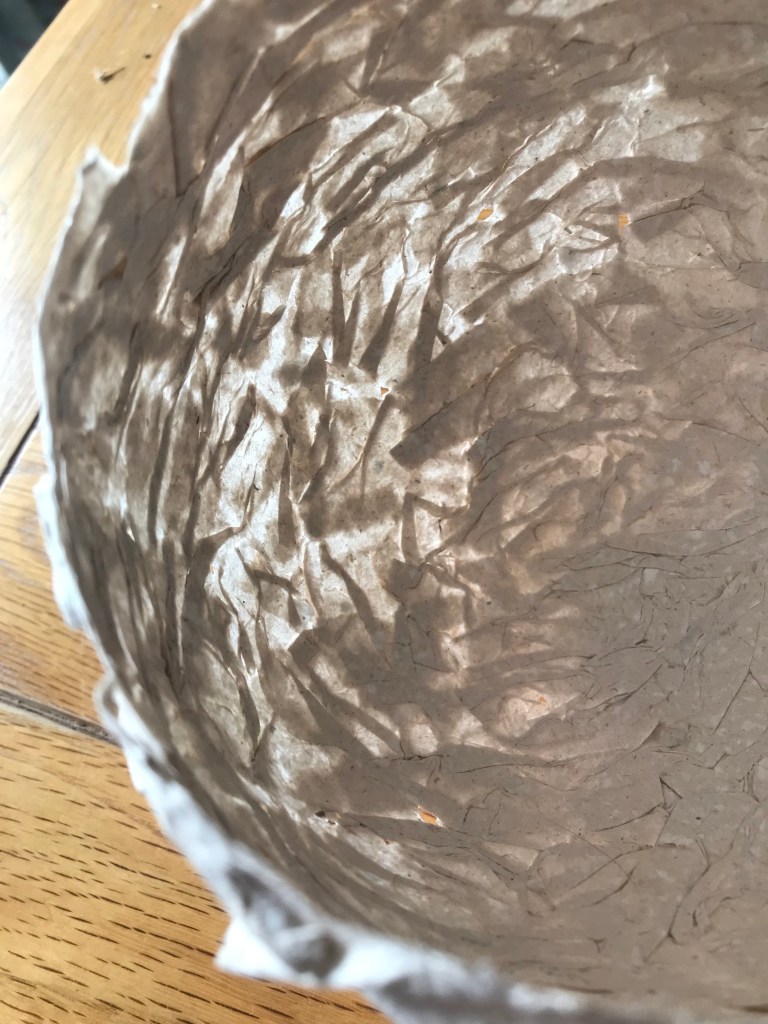
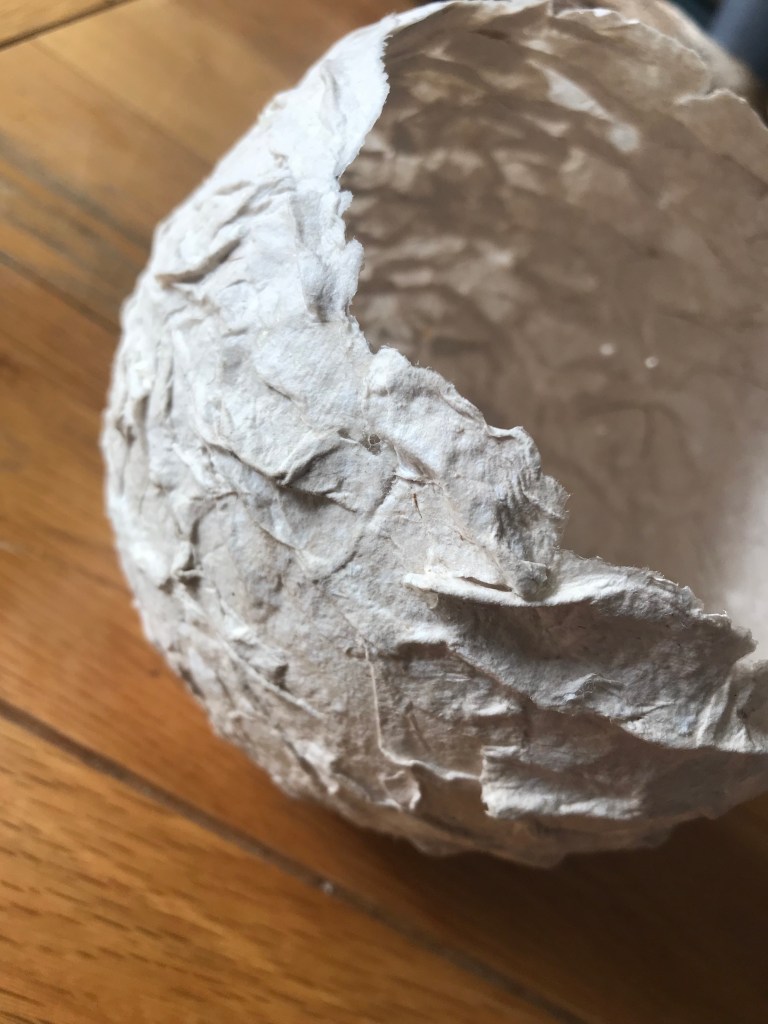
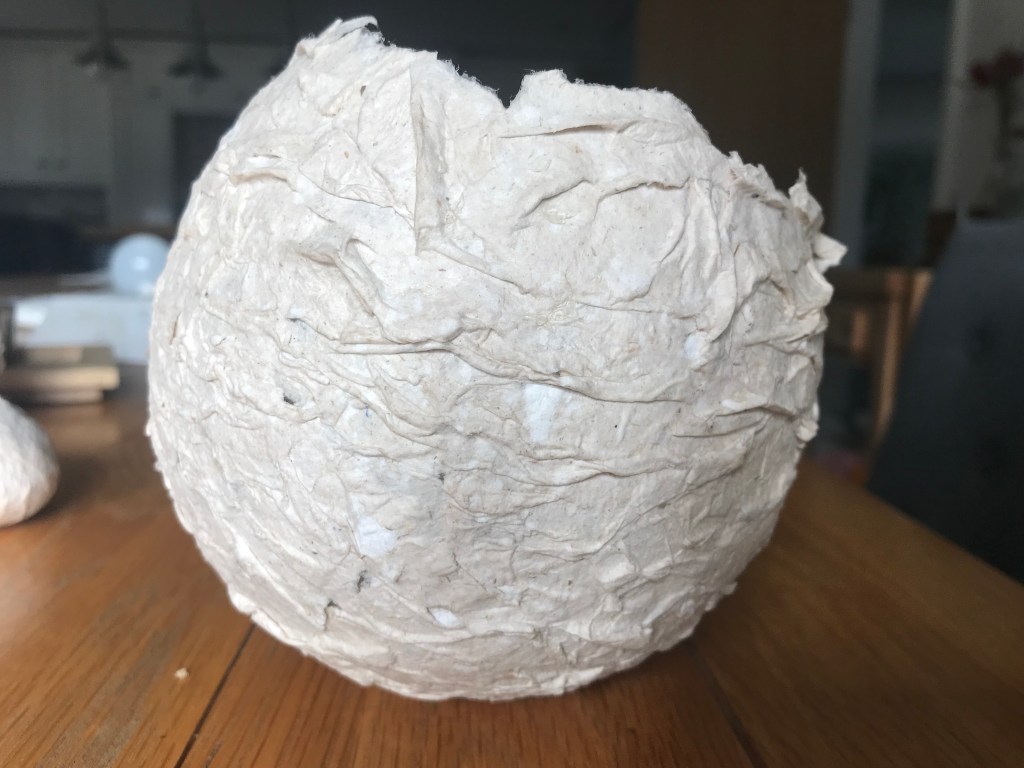
Although I had not planned for the transition into a more material and process lead final project (plans changing because of lockdown and not having access to print of binding Equipment) I had used the process and material exploration developed through the bowl and second artifact projects to bring Forward into this final project. I had developed a great understanding, knowledge and material appreciation for paper making and paper mache, now I am able to control, create and manipulate paper to the way I need it.
After reading an article by Asia Pulp Paperon paper as a sustainable medium of art, I have discovered the importance of paper as a material that supports a sustainable, renewable, recyclable, biodegradable and compostable. Although I was aware my practice was one of sustainability I did not realise how far the scope of possibilities paper has as a material for construction and strength as well as an innovative design and construction material with the capabilities of undertaking the biological cycle of recycle and renewal.
This recycling and use of paper and other eco friendly degradable and recycled materials has been used internationally by artists and designer to explore a more sustainable alternative to nonrenewable or fast fashion type art and design such as fabrics and plastic based materials, or materials that cannot break down naturally.
This is an ongoing project with a group of designers in Italy whose focus is on making greener and biodegradable coffins. The concept behind these egg like forms, is that once you pass away you are ben buried in a pod and the biodegradable pod allows for a tree to grow. The concept of this is really interesting for me as he pod is made from plant matter to tackle the rising issues surrounding deforestation within the coffin industry. I enjoy how organic these forms are, almost quite sculptural. I enjoy how life if encouraged to grow from old life, Similar to my exploration of things growing from things. These have extremely limited environmental impact, and the Cradle to Cradle Concept in evident within the ideation of this design. Due to the legality of burials this is illegal in some countries and is still in the developmental stages.
Biodegradable material, alternative, returning to the ground.
WooJai Lee, Korean-New Zealander designer creates bricks and furniture from recycled newspapers to repurpose a discarded material. Newspaper pulp is combined with glue and compressed into the moulds one dry they become extremely strong. This innovative design uses recycling at its key and could combat deforestation and create a new use for a surplus of discarded newspapers material into something beautiful and modern.
Compressed recycled composite material, used form construction
Use of waste material, interesting texture and marbled effect
Pangea Sculptures, are UK and Africa based company who create unique metal African Art sculptural forms of African animals and culture from metal, the metal is taken from the car scrap industry. This is a great way to use a scrap material that would ultimately end up in landfill. I really enjoy the scale of these forms and the textural quality created by the layering and welding. All the forms are hand made and recycle and repurpose a material.
Sculptural forms made from a surplus of waste material.
Making something beautiful, large scale from rubbish.
Phoebe Cummings is a UK based ceramicist and sculptor who primarily explores clay through its raw state. The forms above was exposed the the elements encouraging environmental changes to create erosion and disintegration, causing the clay to return back to its natural state in the ground.the forms become textured, weathered, worn or distressed as a result. The work becomes non permanent and ephemeral, with very little permanence, trace or effect on the environment. As these forms are very organic and fragile and brittle they become even more delicate and vulnerable to the environmental elements. The leftover pieces of the sculpture after the exhibition are collected and recycled back into workable clay.
Ephemeral delicate, undergoes changes through environmental control
Organic, use of recycling. Returns back to its original state, returns to nature
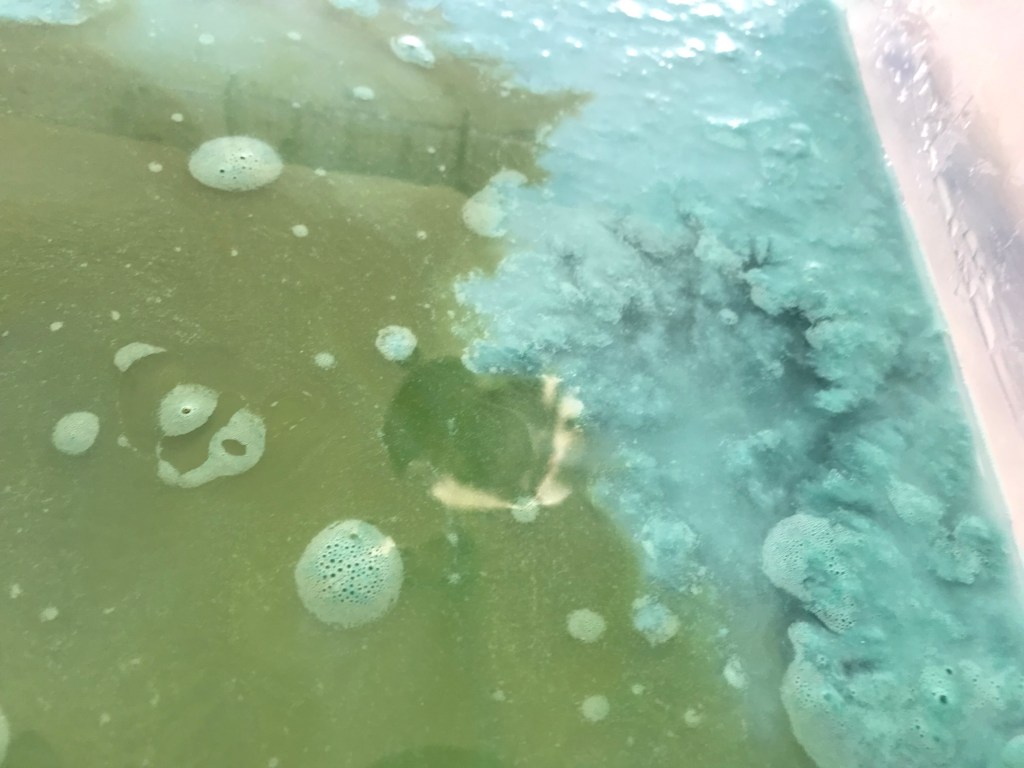
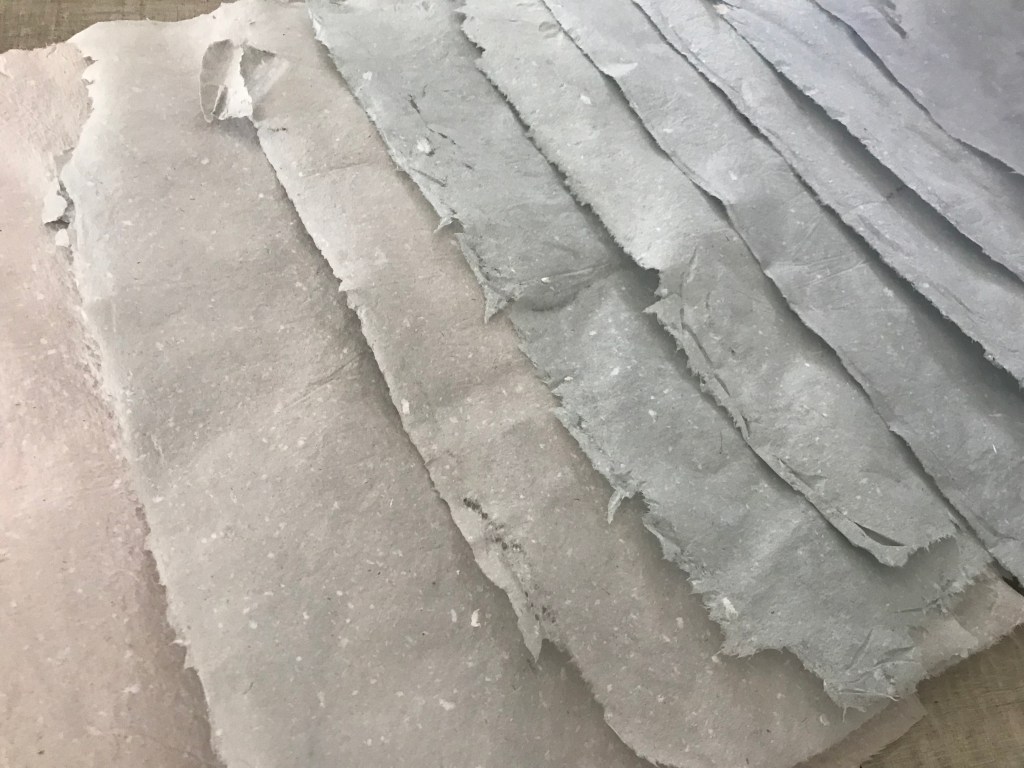
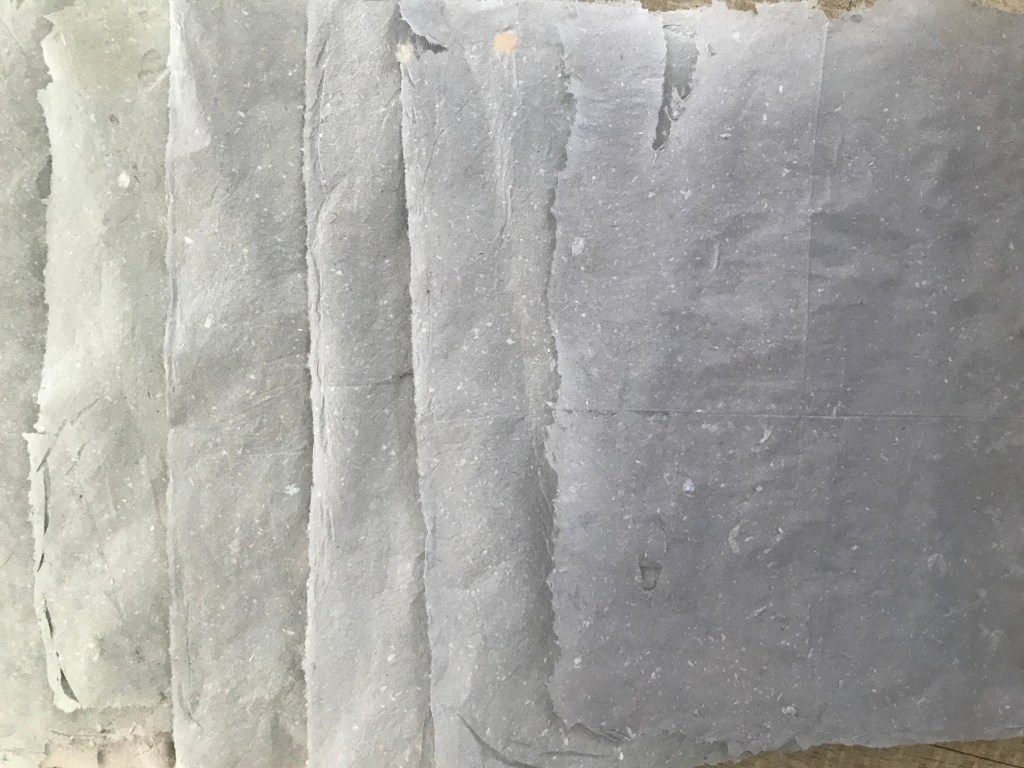
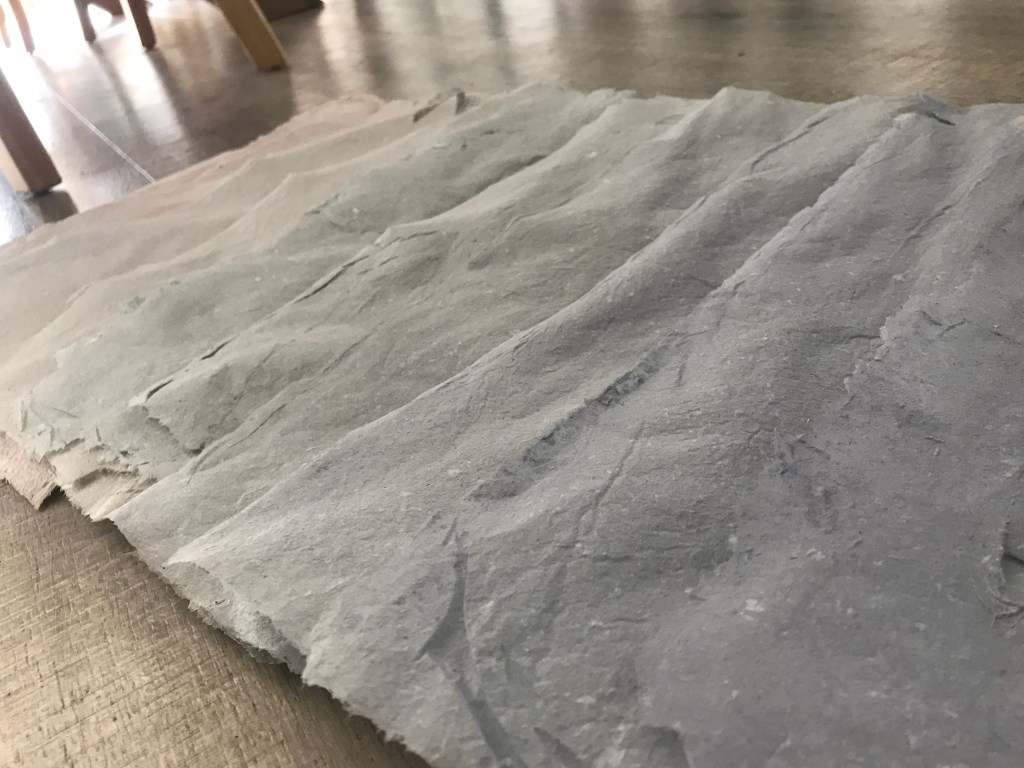
I wanted to experiment with making coloured tissue thin paper to make the textures onto my form. To do this I combined natural and non toxic gouache. I wanted to work through the colours. I started with greys, blues and then purples. I picked the colour ranges to create subtle variations of colour. I was concerned that when I was making the pulp the colourants would be to vivid and distract or create paper that looked artificial and not natural.
I am really pleased with how this paper looks and I am hoping this will look fragile and delicate when organised into ruffles onto my forms.
This is the coloured paper pulp, at this point i was nervous about the shade of the paper. ithe images below show the colour that the paper took, this was a lot more subtle and effective.



 Lara Hoad Artist Designer: Maker