Found, I believe these are song thrush eggs but I am not certain about this. I found this is the New Forest and I was intrigued by the way this natural structure was made, smoothed with mud on the inside and textured on the exterior, As well as how similar to the forms I am creating from paper, the way birds collect and use organic materials that can be returned back to nature, these nests look as if they are growing.
Posted on
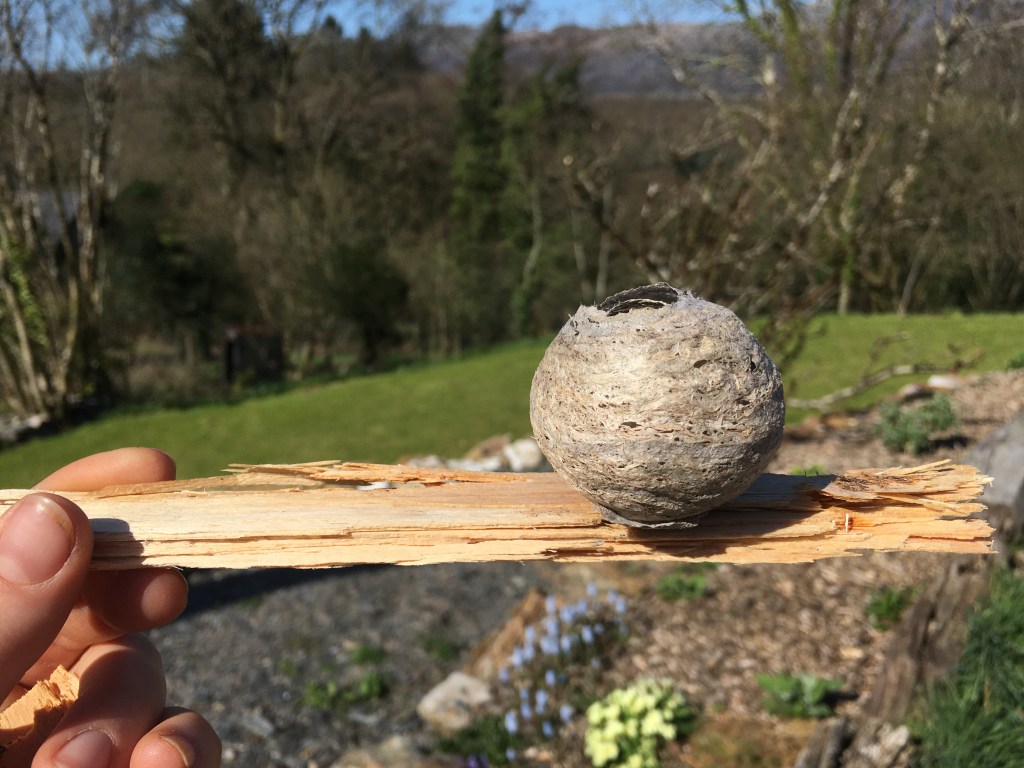
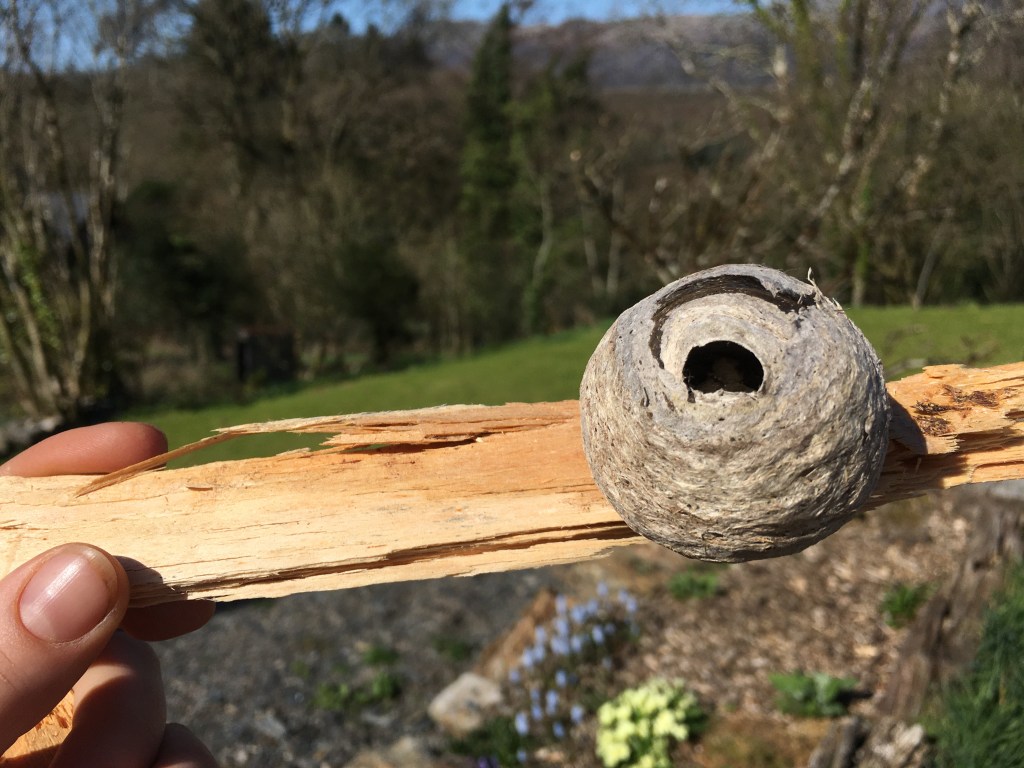
Found wasps Nest, interesting connection to my own forms. Naturally built using chewed up wood pulp to create a thin paper like structure. Wasps create these structures to protect their nests. These forms are built in a similar way to a paper making process, this intrigues me that an insect builds structures like this, this was one of the initial natural forms that inspired the shapes of my forms.
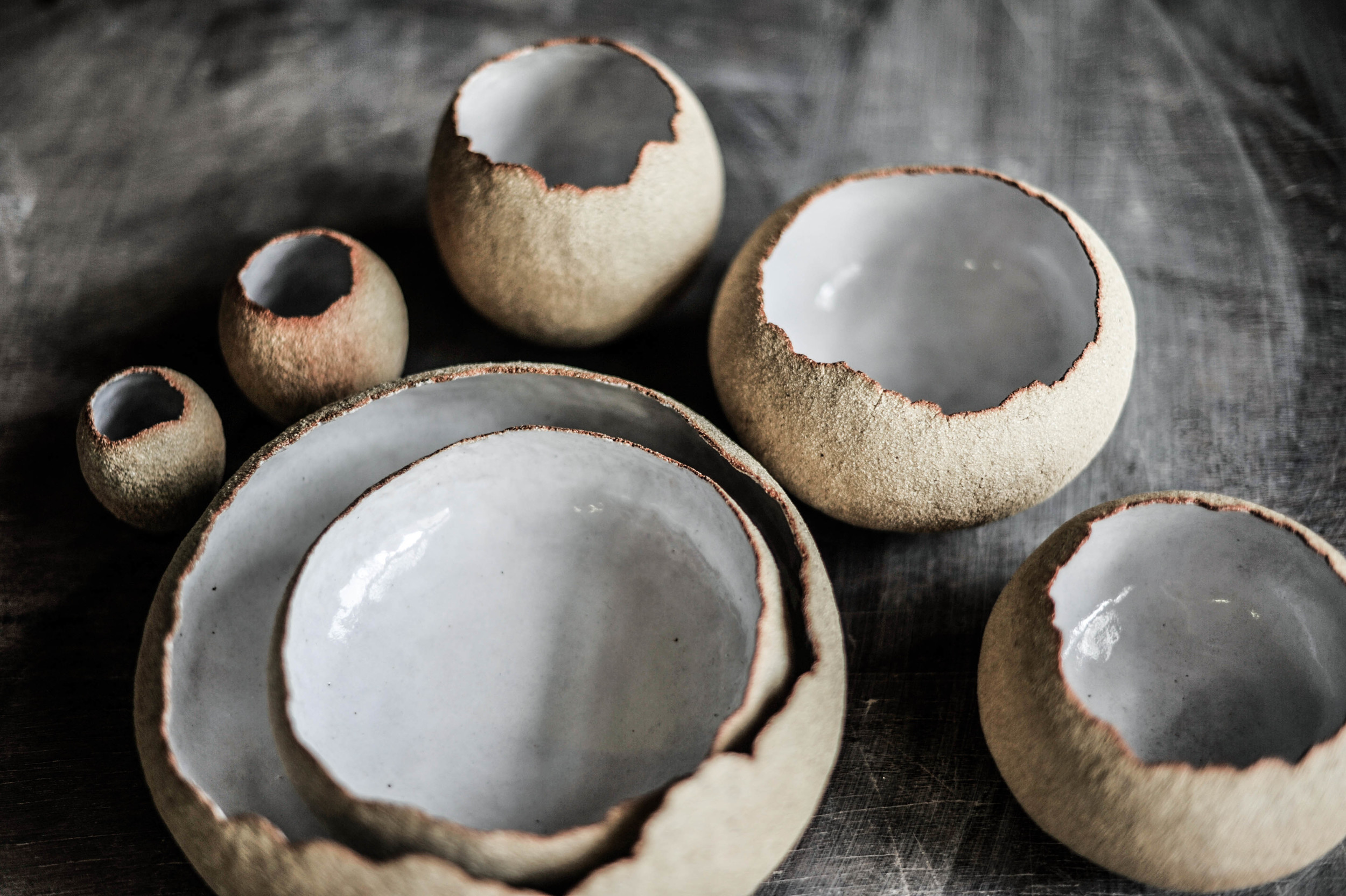
I was interested in Lisa’s spherical handbuilt ceramic forms for the fragmented pinched edges using grogged clay for texture. Lisa is a Hackney based ceramicist who creates functional forms with the inspiration derived from nature as well as the relationship between human and nature. she enjoys the idea that her work looks as if it could be extracted from the earth.
I enjoy the fragmented edges of her work, the collective aspect of the groupings. Each for is different from the next, unique and organically formed by hand. The edges make the forms organic, much like the fragmented edges you see within nature with broken shells, egg shells, leaves ect. I also enjoy the smooth interior of the forms, this is similar to my forms, Where the textural elements are on the exterior similar to growth found on rocks, plants shells etc with seaweed, lichen or moss.
I have purposely tried to achieve the same thing within my own work emphasising the connection to natural forms, the deckled edge of the paper helps to emphasis this further, the less uniform and perfect the more it explores this connection.
Talking to Ingrid, we started to discuss how my forms could leave their own trace as they biograde, we started to discuss products that are designed to biodegrade or create a positive environmental impact, rather than harmful.
I have previously only come across a few products that encourage this, it is a nice idea for me to explore as when my forms biodegrade they would naturally leave very no trace, it would be nice if these forms greater new life. Introducing seeds to the paper making precise could be a nice way for me to embed the seeds. I would consider using more native seeds to the New Forest as not to introduce species of plant that would not usually be found. I have always had an interest in plants and ecology and have always been green fingered and environmentally conscious of my imprint on the world, this could be a beneficial addition to my sculptures. This would also encourage bees and butterflies which are integral to the environmental systems.
Seed Bombs
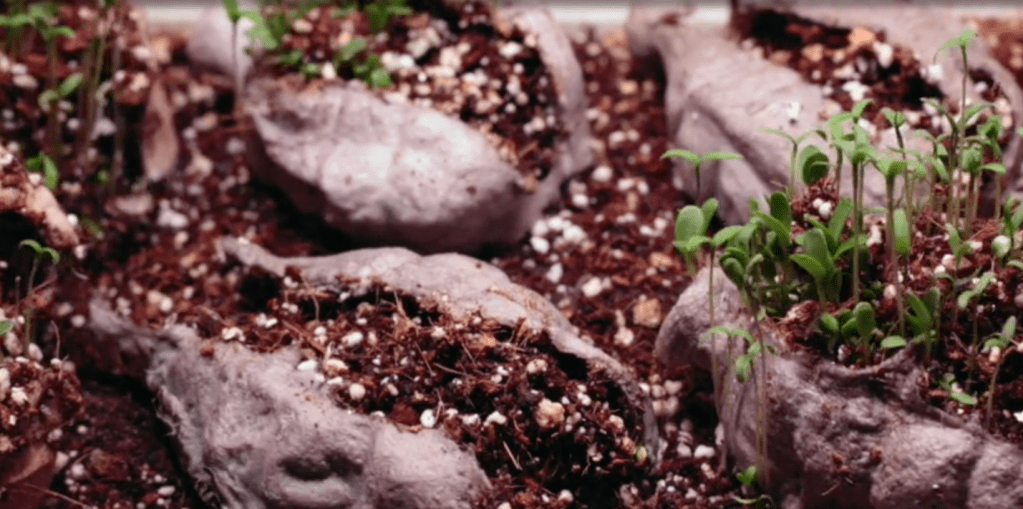
still taken of time lapse of biodegrading pod
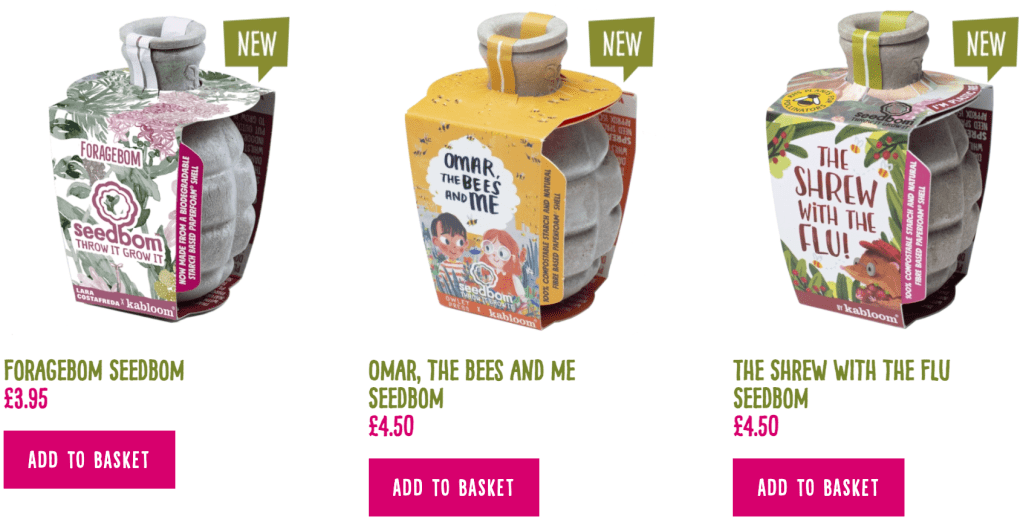
Could incorporate seeds in this way? would it be beneficial for me to take a timelapse of my own work biodegrading to show the potentials to biodegrade my sculptural forms? https://kabloom.co.uk/shop/
Kabloom is a company designed in Scotland by Darren Wilson during his design and craft degree. Kabloom designed an interactive way to encourage people to consider and encourage the environment and bee population. These are interactive and eco friendly. Exploring the idea of regrowth, the bomb disintegrated, recycles back into nature and flowers grow from within. Using a controversial symbol of way transformed into a symbol of peace. Made with starch and natural fibre based shells.
Biodegradable, interactive and not harmful to the environment
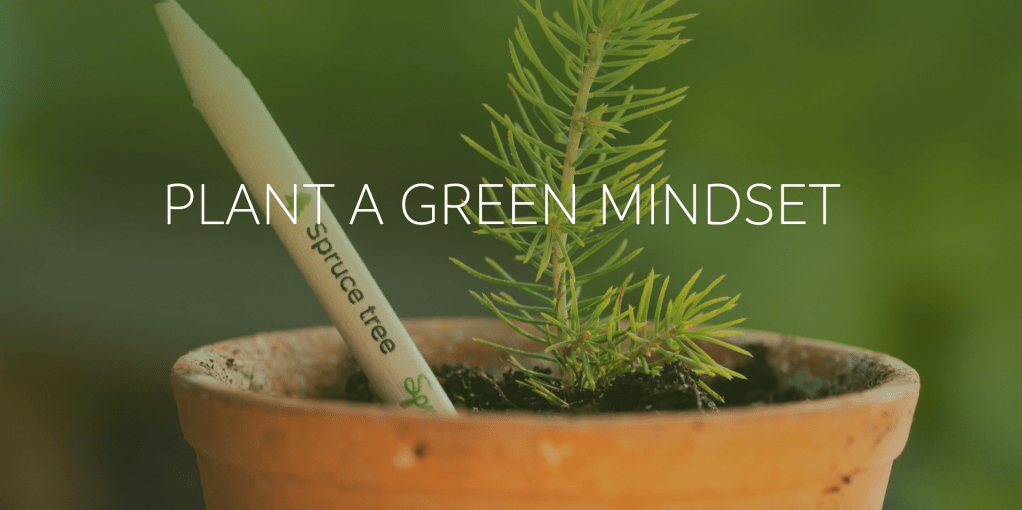
Biodegradable pencil, once used, grow a plant from the pencil, encourages sustainability and encourage people to care for the natural world more, through interaction. made using sustainable harvested wood. Environmentally friendly packaging, able to plant and biodegrade.
Eco friendly alternative to plastic coated pencils, creates a positive difference
Packaging made from handmade paper with seeds.
grow herbs, plants and trees from something that would be discarded once finished.
During my group tutorial with Ingrid, we discussed how my work was becoming larger scale, she suggested looking at large scale paper clay and paper sculptor Rebecca Hutchinson. I was amazed at her interests and direction of her work as they align very closely to my focuses and interests into natural forms.
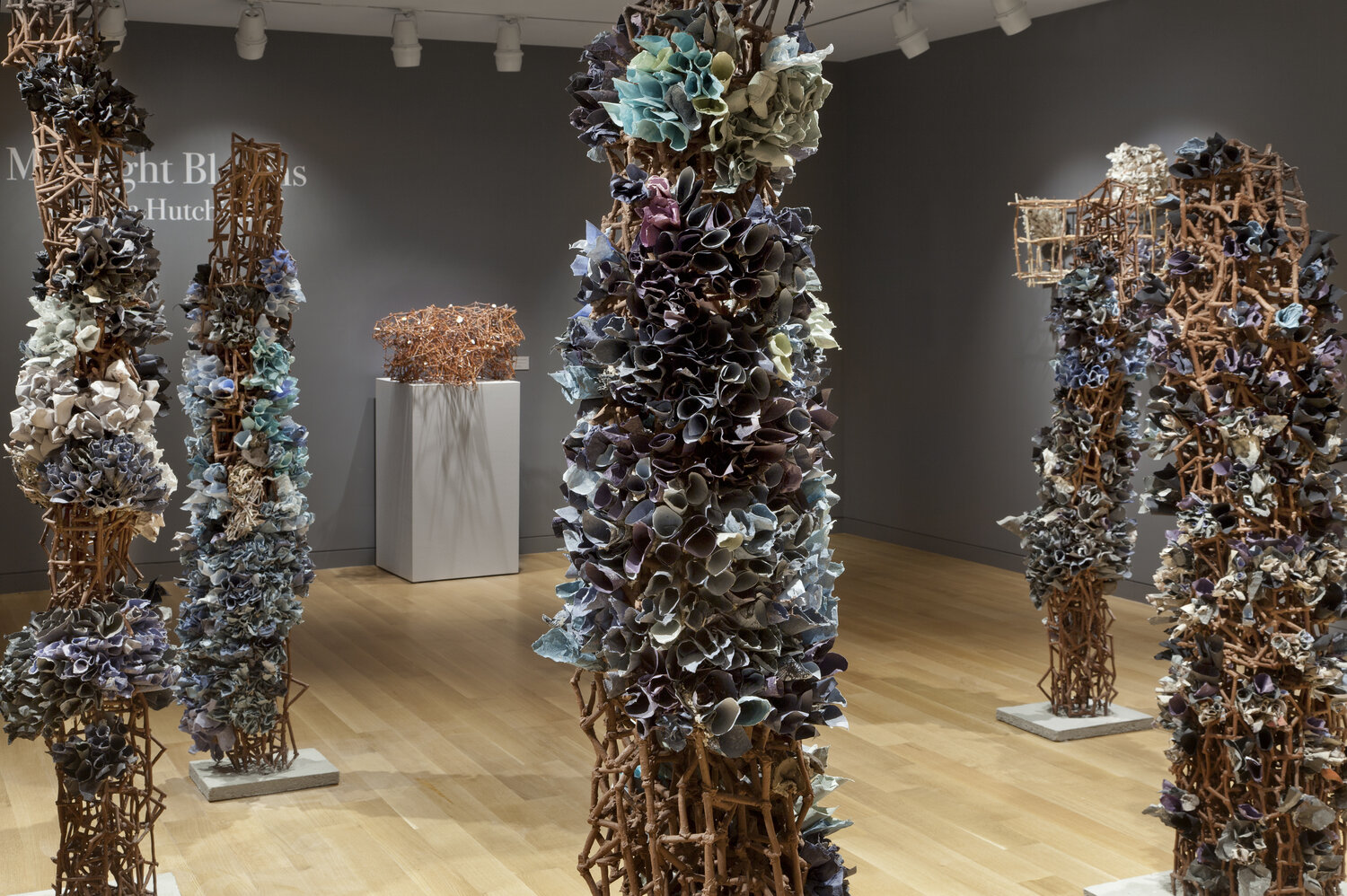
Midnight Blooms, fired and unfired hard construction building style of cone 04 earthenware, fired and unfired paperclay, handmade paper, organic material, and concrete. https://www.rebeccahutchinson.com/storm/07nrex0k82vuzbhhvdmbun0pi8tyajScreen grab from Rebecca Hutchins website, wall installations, made from handmade paper, paper clay and organic materials.
Rebecca hutchins sculptures explore the tactile connections of the environment and natural structures. Exploring this through handmade paper and paper clay, using references from ecology and plant structures. These forms become very site responsive to material and process, using recycled and collected materials. Ienjoy the way the forms vary in texture and colour, scale and detail. I enjoy how the forms grow out of the structure, leaving parts of the frame exposed. the sculptures look like they belong as a collective but not one the same as another.
Growth, inspiration form ecology and natural structures.
Natural and recycled materials to make the forms, paper clay
Large scale, site responsive, intricate, textural, collections/ groupings
Moving Forward, I want to continue to develop my forms taking influence from Rebecca Hutchinson’s work with regards to the idea of collections, a family of forms (making each different from the next varying the texture, the size, representing the idea of growth) , also continuing to focus my ideas of site responsive sculptural forms using recycled and natural materials. Hutchins work sits well within a gallery space. I am starting to consider where my forms may be best placed. Although I have designed my forms to be biodegradable and a response to my experience within the New Forest. For the purposes of preserving and sharing my work, a gallery space would best represent my work, although for the purposes of showing the audience where my inspiration came, I want to photograph my sculptural forms within the environment.
I really enjoy the simplicity of Hutchinson’s website also, she clearly lays out her work and her bio and about page really emphasises her inspirations.
Naturally formed paper wasps nests. These are formed by the wasps by chewing up paper wood into pulp much like the way I pulp recycled materials to make paper. coral, patterned, repetitive, spherical Sea Urchins, delicate, thin, hollow, decorative surface, subtle colouring stones with holes, organic, non uniform, texturalseed pods, transparency, uniformity holes and circles.
Coralie Laverdet is represented by maison parisienne, this gallery was one that featured in Collect 2021, this is where I came across the work of Laverdet.
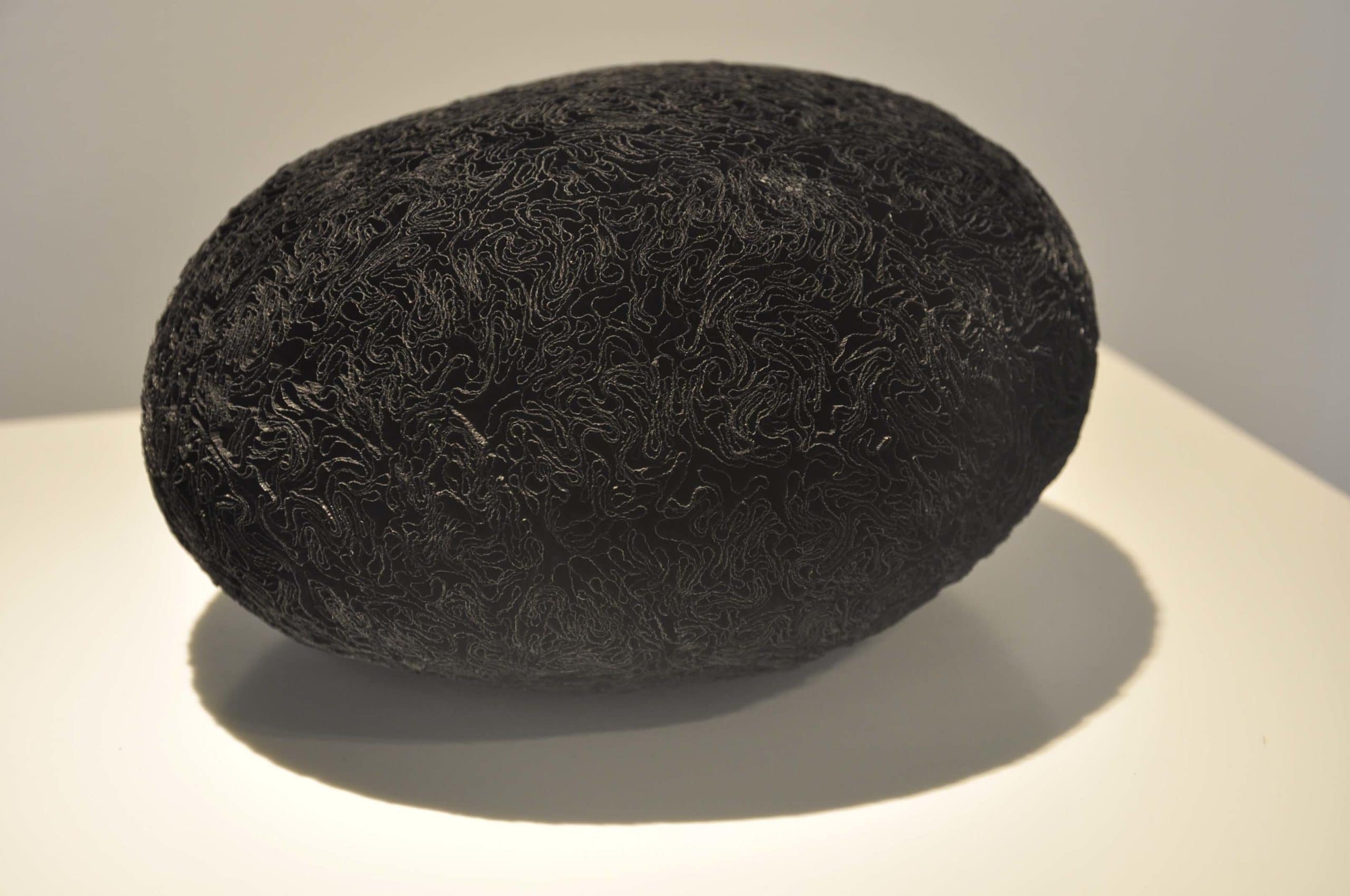
Her work interest me because of the textural use of material, these sculptural forms are made from paper, although you would never know! they remind me of something from the sea. She explores the sensitive, sensual and formal language of materials through diversion, repurposing and recycling of natural fibers. these forms for me are very focused on the sense, they make you want to touch the forms. The forms she creates are very uniform and organically shapes , with smooth curves. I enjoy how the entire form is covered with this texture. They take the form of rocks as they are very densely pack with the paper that creates the texture. Her sculptures were selling for €6,000 – 8,000 in Collect 2021
Her work inspired me to explore the use of texture within my own work, to explore how plants grow and attach themselves to natural forms.
After talking to Jon about my work, he suggested I look into biodiversity and the biological metabolism capabilities of my forms.
The Cradle to Cradle design concept takes into consideration the ideas of “reduce, reuse recycle” and making and producing goods that can be returned to the environment. this concept supports designs and products that make both positive impact on people and the environment. The concept was created by William McDonough and Dr. Michael Braungart, and evaluates material health, material reuse, renewable energy and carbon management, water stewardship, and social fairness of a product to determine its impact on the environment. if the product does meet this criteria is can become Cradle to Cradle Certified.
The product goes through a cycle. This cycle is evident within my own work. I produce my product with recycled, natural and renewable materials, these are then able to be degraded, which then ultimately returns to the ecosystem to regrow the plants. Where the circular cycle starts all over again. By doing this I am not only creating products that are harmful to the environment, I am producing artwork with the capabilities of being able to be reproduced using recycling. This is a really useful model to apply my work too.
After discovering Jane Ponsford’s work in the Collect online exhibition I was really intrigued by Ponsfords work. These are quite organic and her work seems to resonate heavily with my interests, process and materials. I wanted to find out more about her field and what drives her work, as well as her audience.
Stacked cast cotton rag paper form coloured with oak gall and iron, H 30cm x 24cm diameter, Part of the Sarah Myerscough Gallery collection, “Broken Beauty” Collect 2021 (https://janeponsfordstudio.com)
The work above explores the imperfections and vulnerabilities of nature, this is often the case for much of Ponsford’s work, the inspiration taken from sight and naturals collected materials and translated into process driven outcomes.
In Ponsford’s artist statement she describes herself as a paper maker who uses repetitive processes to form sculptures and bookworks, the paper allows for both a focus on both surface and form. often responding to place to explore the fragility of paper when exposed to weather. She is interested in working with sight specific materials, unique to the surroundings she finds herself working in.
These are the key words she uses to describe her work: respond, trace, collect, accumulate, mark, these I found to be evident in some of her works below.
‘Passing Moment’, 2015 Jane Ponsford (https://janeponsfordstudio.com) I enjoy the way these have been framed in a way that makes them seem like artifacts from a location, making the viewer look closer. Track, 2019, Jane Ponsford, handmade paper dyed with oak gall and iron, Witley Common, Surrey from Terrain, part of Surrey Unearthed. Photo John Miller (https://janeponsfordstudio.com) I like how this work is in response to the location (site specific sculpture) and placing the worms within the space changes the dynamic and meaning of the individual forms.
As well as working independently she belongs to IAPMA, the International Association of Hand Papermakers and Paper Artists. I have previously come across this association but I think it is work me revisiting to explore other artists and find inspiration that could inform my work.
she also received a grant from Crafts Council England for a 12 month project where she explored and developed making work in response to a landscape, which she says has informed her work ever since.
Alongside this she also runs paper making workshops at West Dean College, this is something I would be extremely interested to attend to gain first hand experience of working within a designated paper making workshop, but to also widen my papermaking skills to a more professional standard using traditional machinery and expanding my knowledge of material.
Although I am still in final experimentation stages to perfect the method of making the forms. For my final collection I want to combine a range of my experimentations, both with paper and form, to create a group of forms that have impact. By making them with found, environmentally friendly and recycled materials I am able to reduce my impact on the environment as well as producing sculptures that are biodegradable and not harmful to the environment.
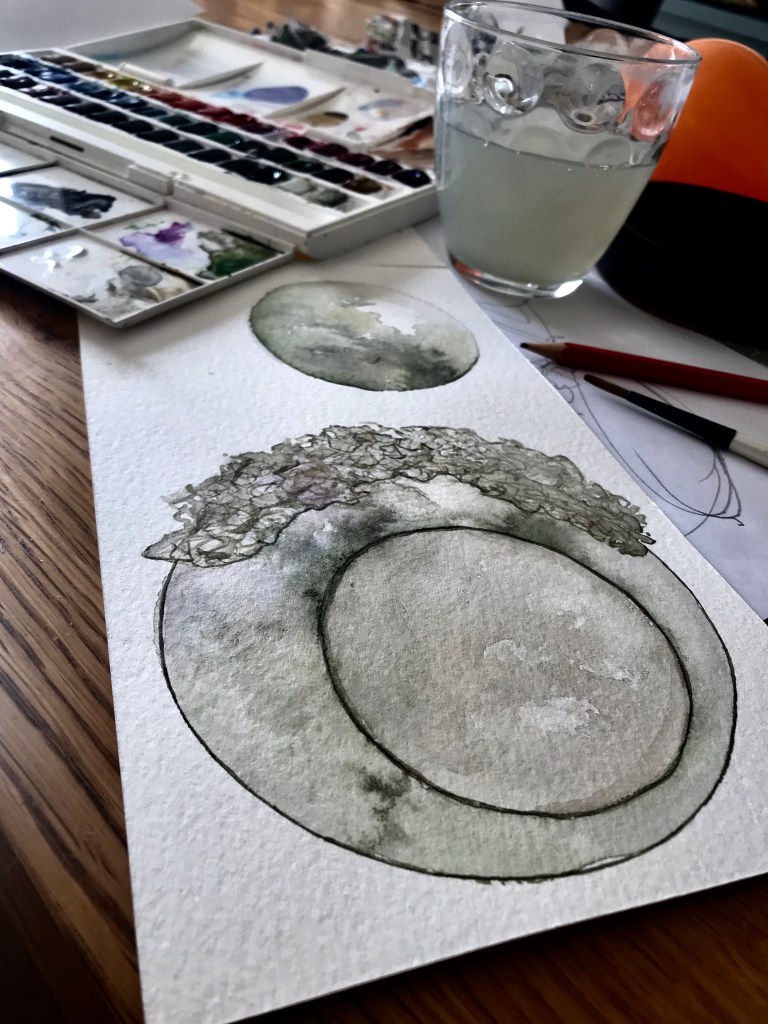
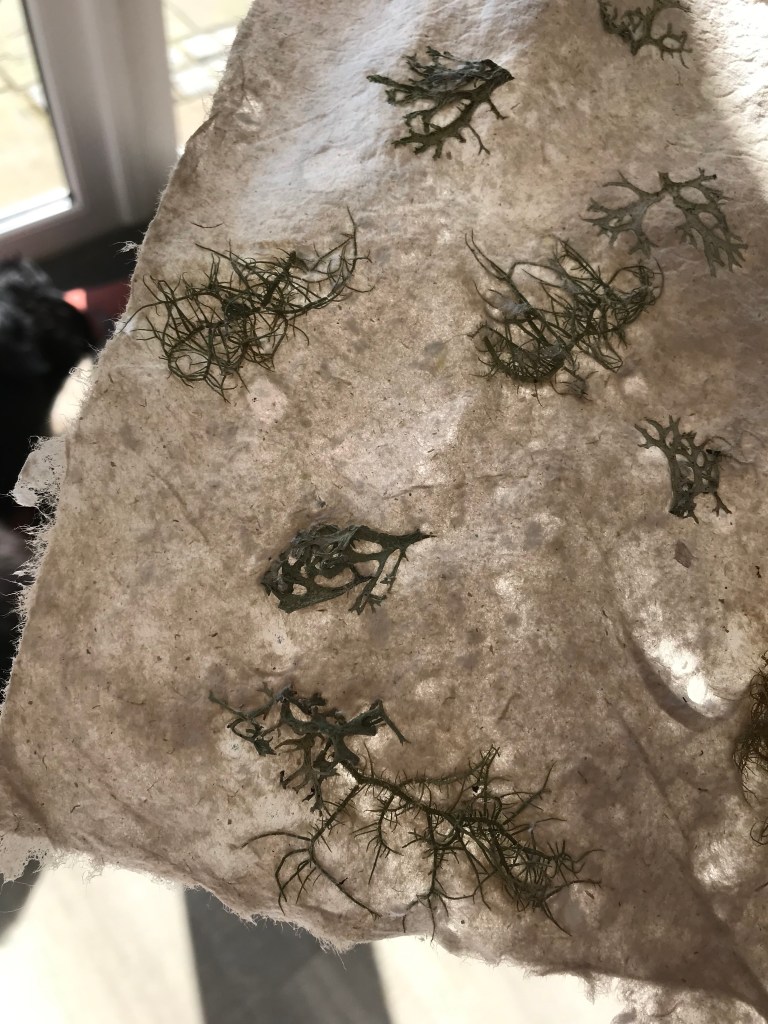
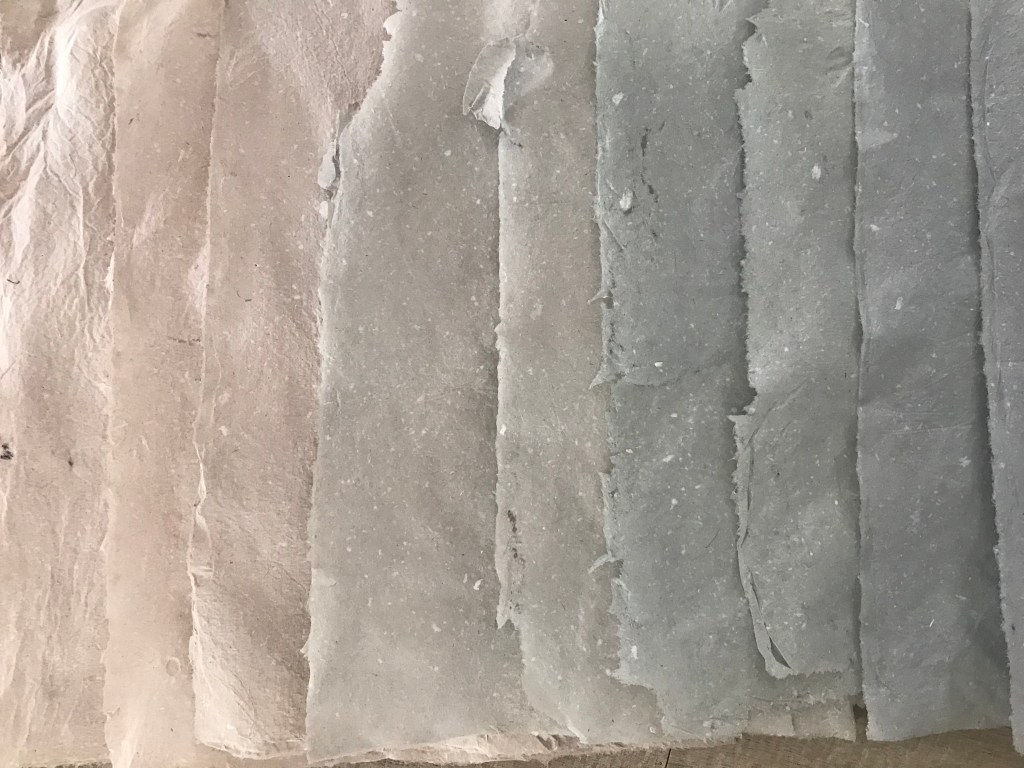
I want to create a collection of large scale spheres with textures ” growing” on their surface. I will do this by forming large abaca paper spheres using large biodegradable balloons ranging in size from about 45 to 60cm wide. Then applying the textures to the surfaces, combining the found materials and coloured papers to create interest. I can visualise these delicate forms within a gallery setting or placed in a site specific location (for me this would ideally be the New Forest, as this is where my materials were collected)









 Lara Hoad Artist Designer: Maker