Although the research trending forecast organisation WGSN is primarily focused on fashion, I found it has been interesting to research into sustainable and renewable fibre. their is definitely an obvious move and trend focusing on recycled fibrous materials.
In one of the reports it stated that nearly 1 billion tonnes of textiles are discarded into landfill each year, the trend for retail in particular is a move into more sustainable material use. creating garments with a low carbon footprint and a positive social responsibility. I could see this trend happening within the craft industry as people become more aware and make conscious environmental changes.
I have focused my work on sourcing and recycling materials for what would otherwise be waste, paper, natural renewable fibre, moving towards experimentation with biodegradable corn flour glue, to consider my environmental impacts and footprint by consciously minimizing my artificial materials and using alternative biodegradable or renewable materials. I want to minimize the production of materials that cannot be broken down or recycled, so that my work in theory can be returned or repurposed into something else.
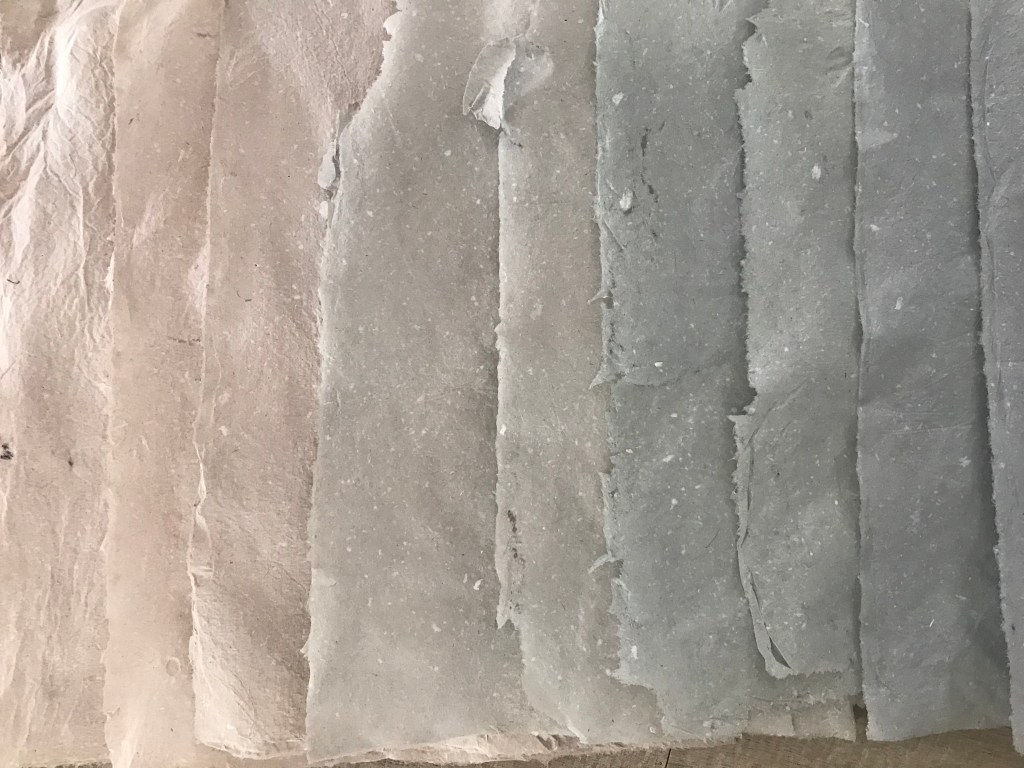
To further this, my papers can be made for a wide variety of recycled papers, fibres and cotton, these can change the material qualities along with the opacity of the forms created.
Although I am still in final experimentation stages to perfect the method of making the forms. For my final collection I want to combine a range of my experimentations, both with paper and form, to create a group of forms that have impact. By making them with found, environmentally friendly and recycled materials I am able to reduce my impact on the environment as well as producing sculptures that are biodegradable and not harmful to the environment.
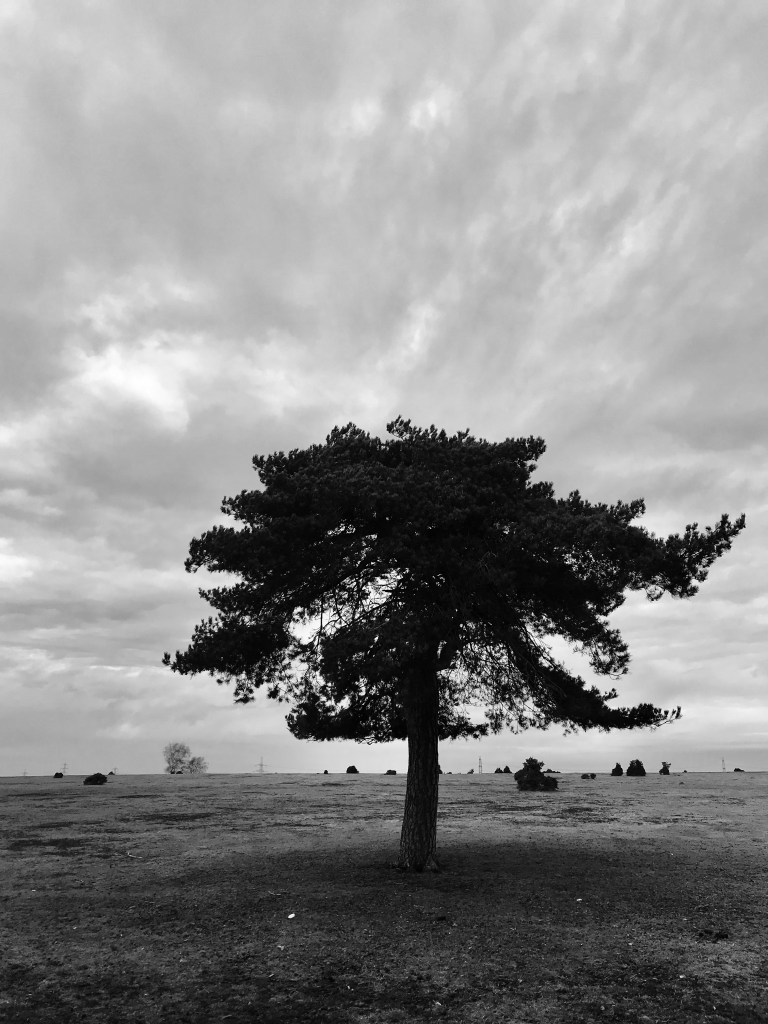
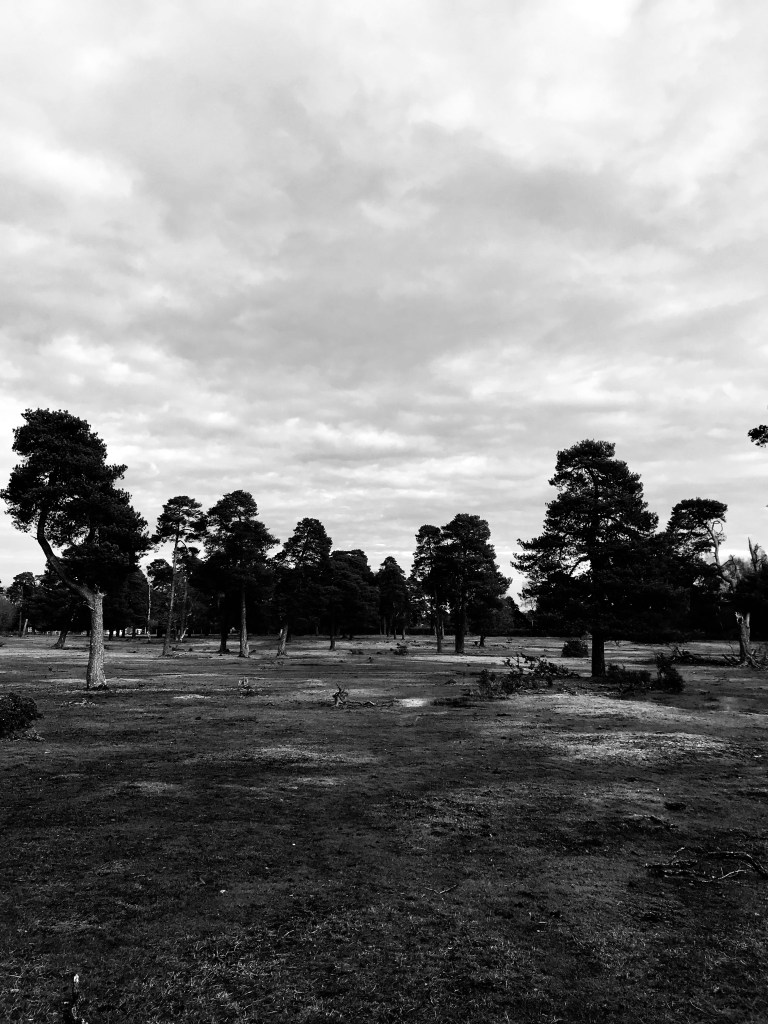
I want to create a collection of large scale spheres with textures ” growing” on their surface. I will do this by forming large abaca paper spheres using large biodegradable balloons ranging in size from about 45 to 60cm wide. Then applying the textures to the surfaces, combining the found materials and coloured papers to create interest. I can visualise these delicate forms within a gallery setting or placed in a site specific location (for me this would ideally be the New Forest, as this is where my materials were collected)
After developing techniques, research and exploring material experiments during research and development , I want to bring bringing Forward some of these ideas into the exposure section of the project.
The most successful things within my project was the development of my paper making technique, my understanding of material qualities as well as the development of paper manipulation, sustainable materials environmentally friendly alternatives. I have been able to develop techniques, understanding and control of paper and its use in paper mache to obtain the qualities of paper that I needed for my forms to be delicate and fragile as well as being robust and sturdy.
The most unsuccessful things about my research and development project was the length of time it took me to find a technique that worked, as well as rounding my ideas into a coherent idea that explored my interests with nature and my material collections from the new forest.
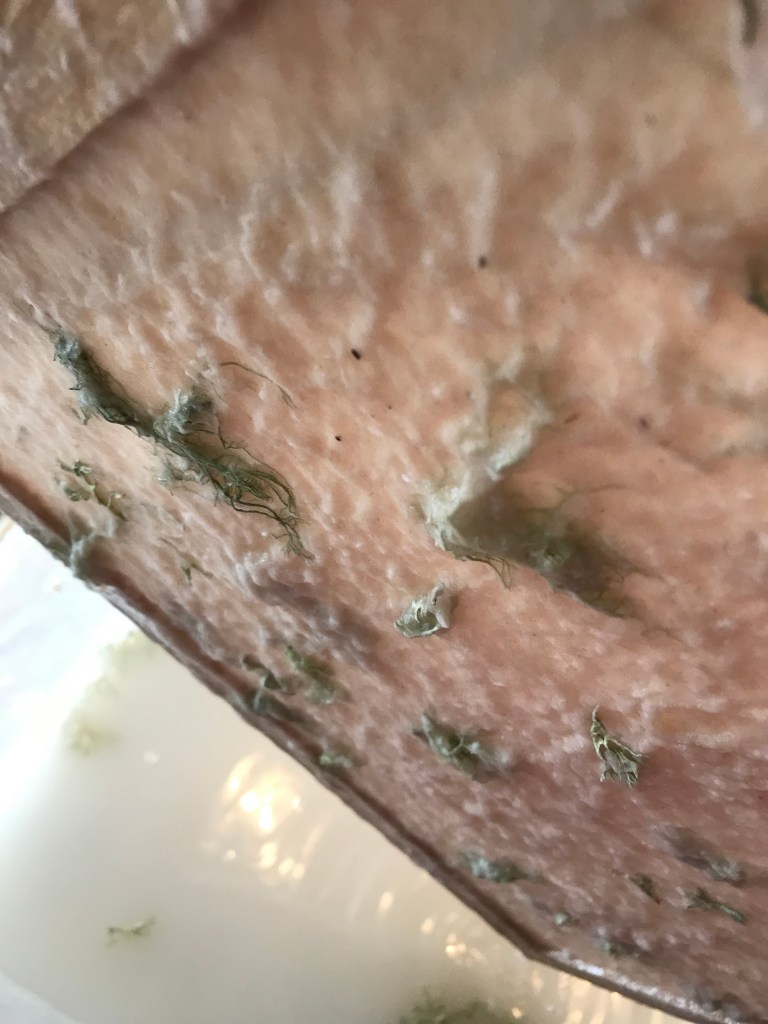
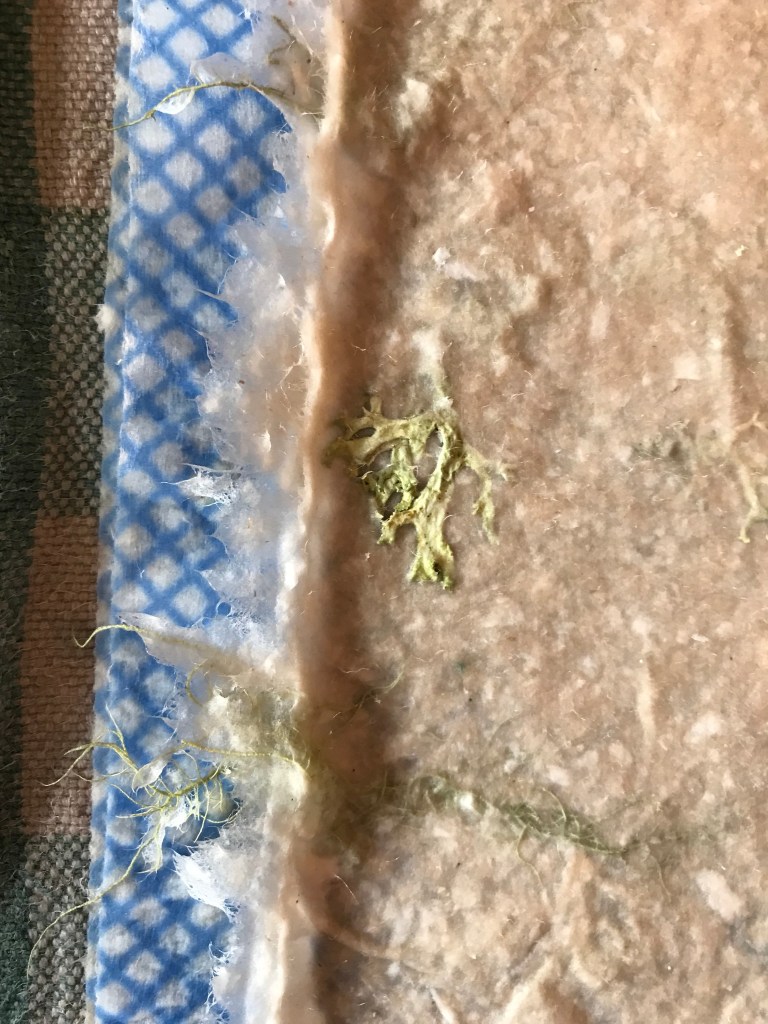
what I am planning to do is, combine my exploration into abaca and recycled paper with the textural elements and three dimensional forms. combining this with my interest and exploration into natural growth and fauna and flora within the forest. Looking at “things that grow on things” (lichen is an alga and fungus organism that grow by attaching themselves to other natural matter). I will do this by having the texture “grow” much like lichen and moss grows by attaching the texture to the organic paper mache forms that are made using, collected dried lichen, recycled paper and abaca fiber. These forms are designed to have a biodegradable and sustainable cycle, that can be returned back to its original material.
My initial reaction to the collect online exhibition is wow… it is so inspiring to be able to see makers, artists and designers working and thriving in their fields all in one online exhibition (even more so in the current environment we find ourselves in). From looking at the collections it still seems there is a need and want for art and craft, as well as people working within the specialism of paper.
It is interesting to be able to browse the companies and collections that are representing the artists, their pricings and how they photograph and represent themselves digitally (for me this is quite important that I am able to get this right so that shapes, textures and surface qualities are captured in a way that allows the audience to respond accordingly, because in a normal world my forms are quite tactile and I would want my forms to be handled). I am almost able to visualise where my work could sit and whose would actually be interested (although i’m not quite there yet!)
The exhibitors that caught my eye are:
Maison Parisienne, who represent French craftspeople in the field of using wood, paper, cardboard, textiles and basketry, who combined are both traditional and innovative.
Sarah Myerscough Gallery, who represent international artists, using traditional craftsmanship, organic materials and focusing on the tactile and sensory.
Jagged Art, unusual and delicate use of materials, organic works. Using Ceramic, grass, wood, paper and textiles.
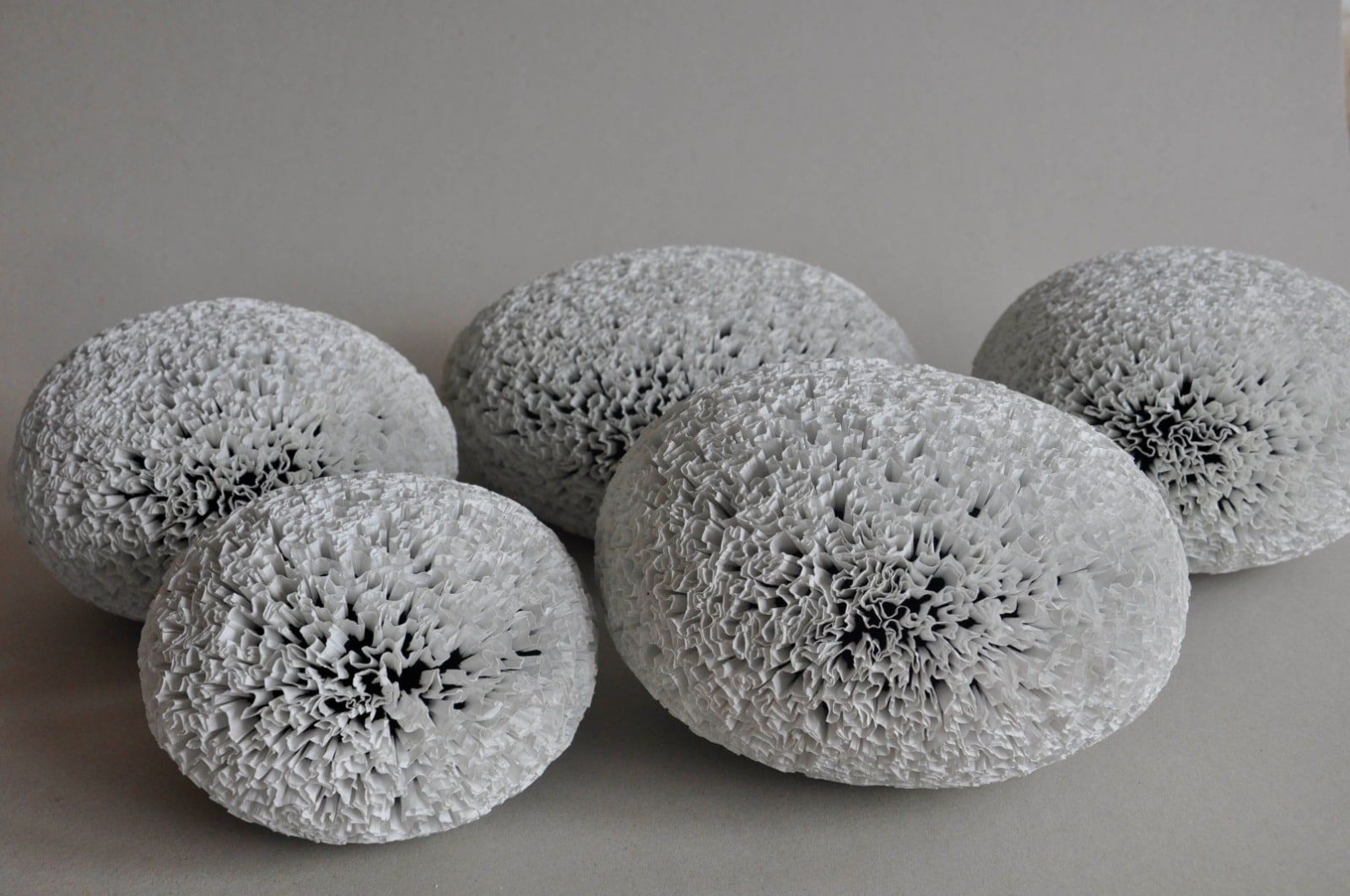
Coralie Laverdet (Maison Parisienne) is a paper sculptor whose work explores the sensory and sensitive material qualities of paper by repurposing and recycling natural fibres. Laverdet’s work is priced between £1,500 to £8,000 at Collect 2020.
I was drawn to the way the forms resemble organic rock like forms, these look extremely tactile, touchable and even huggable (?) the depth created by the ink creates a really interesting emphasis on the texture, I was also drawn to the use repurposed and recycled materials that when formed into these organic quite flowy forms
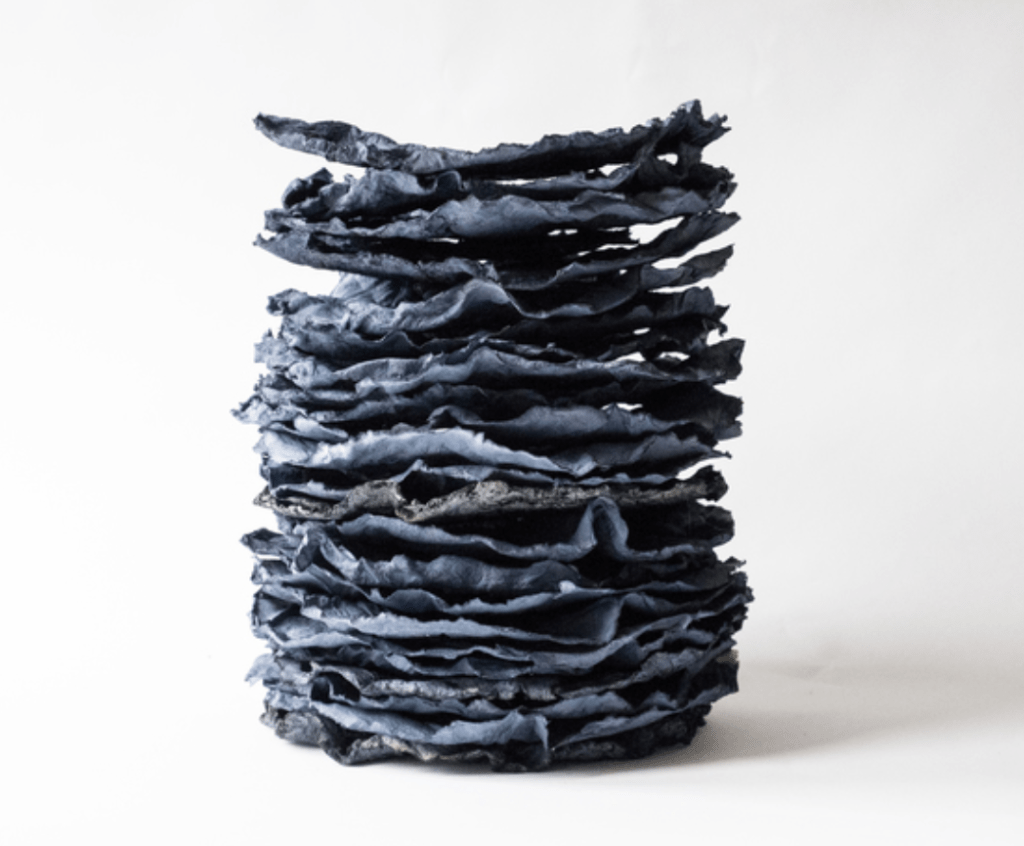
Jane Ponsford (Sarah Myerscough Gallery) is an artist and paper maker whose work explores working in response to place and landscape, working with collected materials. Jane is a member of The International Association of Hand Papermakers and Paper Artists, she exhibits nationally and teaches papermaking. Ponsfords work is priced at £950 at Collect 2020.
I was really intrigued by ponsford’s work and with a little bit more background research, I have gained a real interest in her discipline of making paper and using collected materials and working within nature.
Jane Ponsford, Blue-Black Accumulation, 2021, Stacked cast cotton rag paper form coloured with oak gall and iron £950
Jeremy May (Jaggedart) is a Jeweler who transforms reclaimed paper and books into jewelry. Often inspired by specific quotes, each piece of jewelry has a history and story to tell. Mays work is priced between £1,080 and £1,130
Although not directly related to my own practice, i was really intrigued by the use of paper to make jewellery, and the way the repurposed artwork carries its own story. It is interesting to see how paper can be built into a solid three dimensional form such as this.
The Pleasures of Life, 2020, Ring made out of the pages of the book The Pleasures of Life and nestled in the book, £1,080
Moving Forward, After researching and looking at the variety of work shown in Collect 2021, I want to look into the work of Jane Ponsford further as her work and who she is involved in and the projects she has undertaken are really inspiring and has informed some of the decisions I have made recently in my project.
After reflecting on the strength of my paper, I find the paper made with 100% recycled cartridge paper doesn’t quite have the qualities I am looking for… strength fragility and opacity.
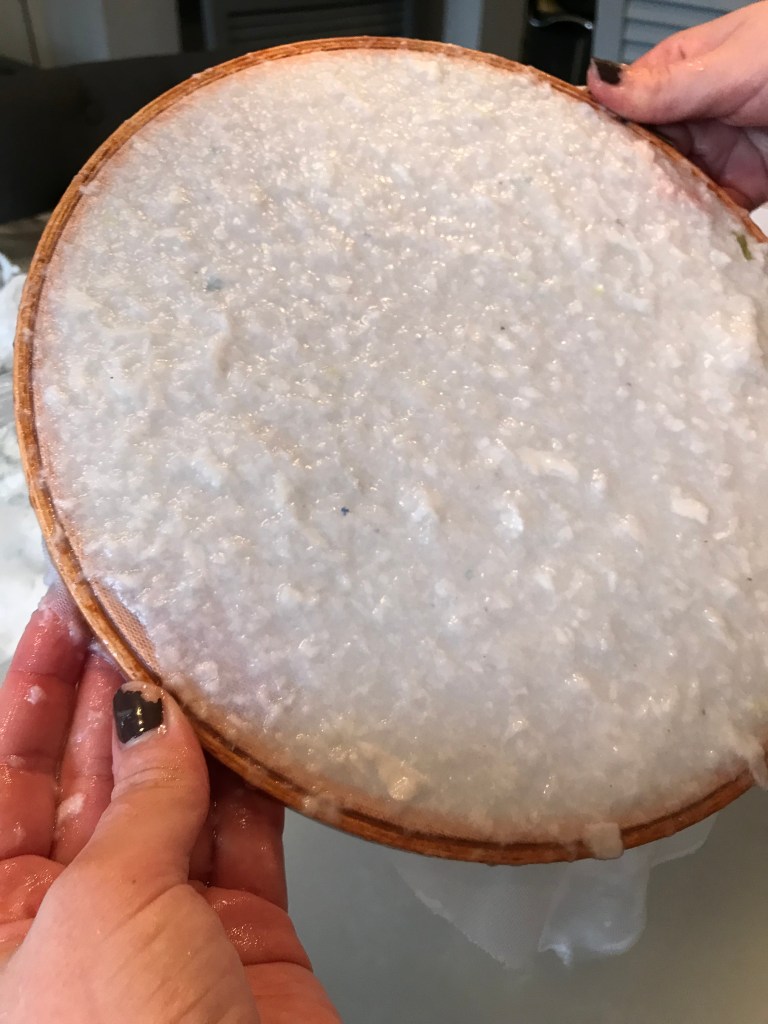
100% recycled cartridge paper, formed into a circle using a embroidery hoop (homemade frame)
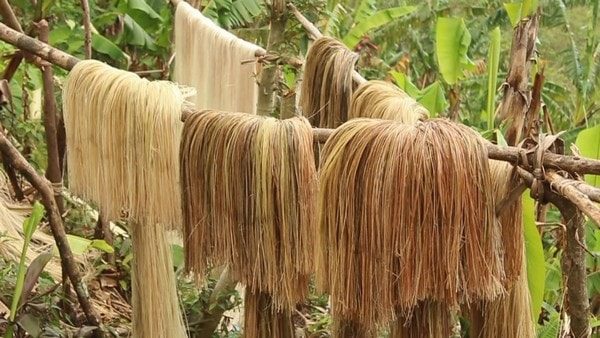
To try to improve this, I have been experimenting with abaca fibre pulp. Abaca is a natural sustainable fibre based material taken from a banana crop grown in the Philippines, It has been identified by the United Nations as a “Future Fiber”. This is a traditional and popular paper making material, as the fibre creates structure and strength in the paper, as well as allowing te paper to be made extremely thin. After finding and researching this I wanted to give it a go.
The results were extremely successful, I am definitely closer to finding the best paper for strength, durability and transparency. the abaca pulp created a very soft fibrous sheet that is very easy to manipulate, although this fibre used alone (100%) creates fabric like paper, I can make it extremely thin and it is stronger than pure recycled cartridge paper but i still find it isn’t ridge enough.
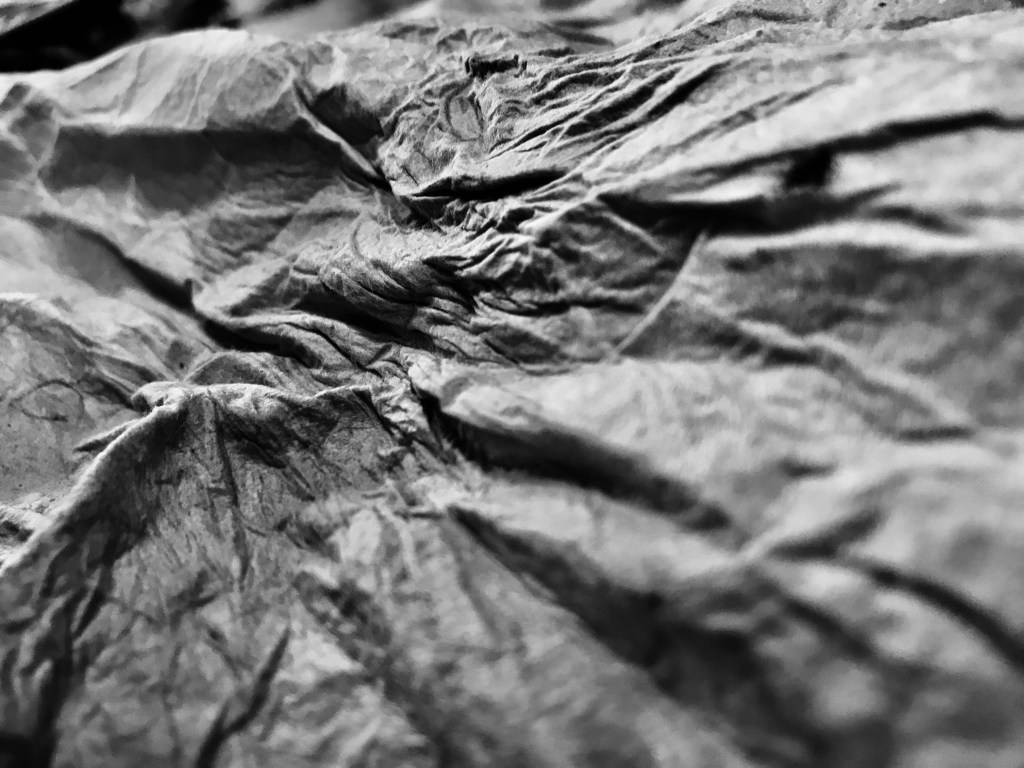
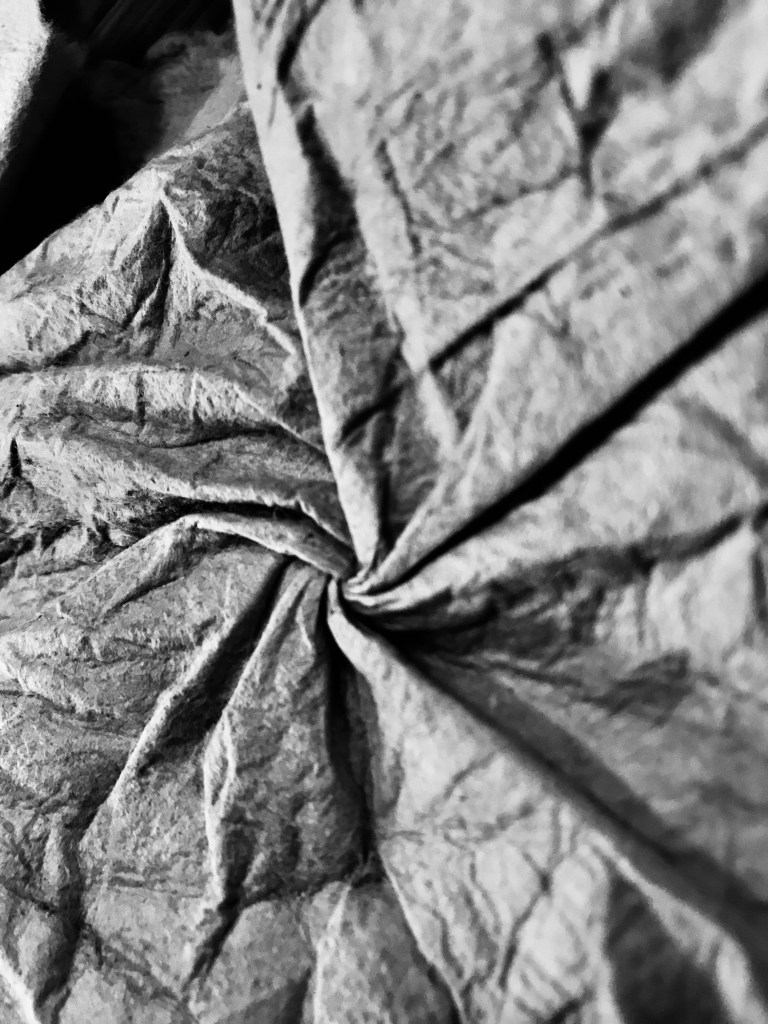
Extremely beautiful quality to the abaca paper. This reminds me of rock textures, I am interesting in exploring this texture further using my paper I am able to manipulate the paper in small ways, but far too soft to hold its own weight for larger manipulation
I then blended 50% recycled cartridge and 50% abaca pulp paper and I have found the cartridge gives it the strength and the abaca gives it the fibre and opacity. I was also able to get this to be tissue paper like and extremely strong, which is what I wanted so that I could create and cast forms which potentially could be very opaque.
50:50 abaca pulp and cartridge paper pulp
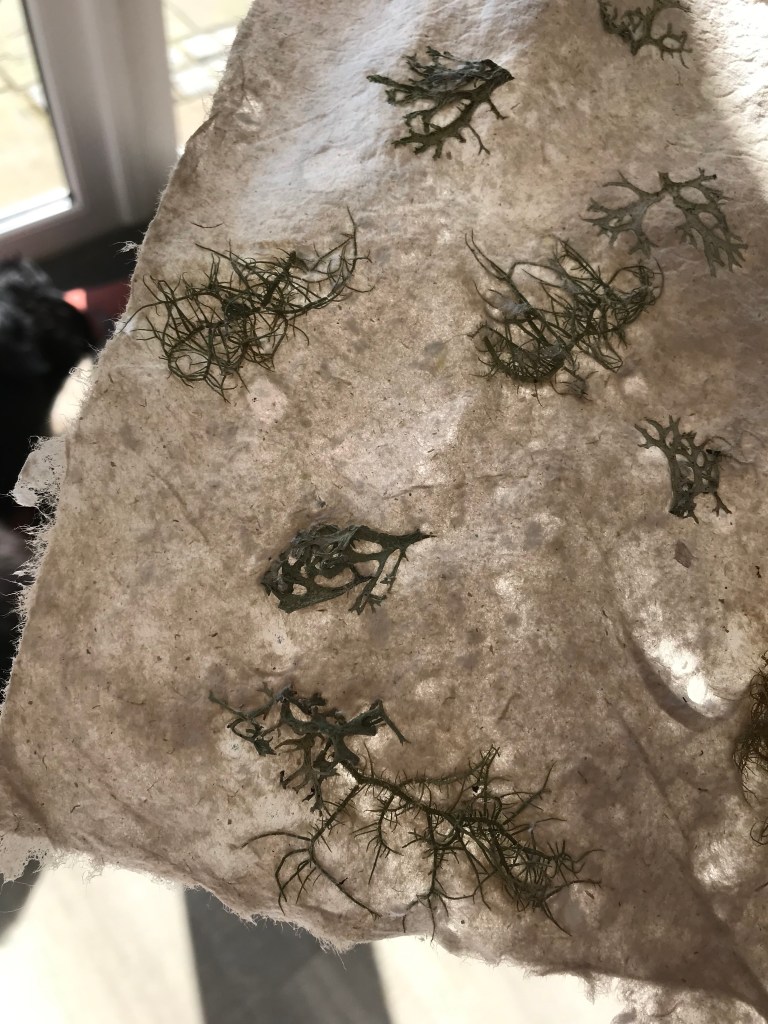
By cutting up the bits of lichen smaller and separating out the strands I was able to couch whole unbroken sheets, whereas before when the lichen was bigger and the paper pulp wasn’t as strong large holes wold form and rip in the paper as a result of removing then of the cloths.
Whereas previously I used pva glue to bond the sculptural forms and sheets of paper together (in the bowl project and previously made paper) I really want to consider my environmental impact and how I can primarily use natural or decomposable materials in my work, rather than more harmful artificial materials. Looking into this I found that cornstarch can be used as a stiffener for fabrics and fibre, this could work for my forms as you can make it into a glue substance. This is definitely something I want to experiment with.
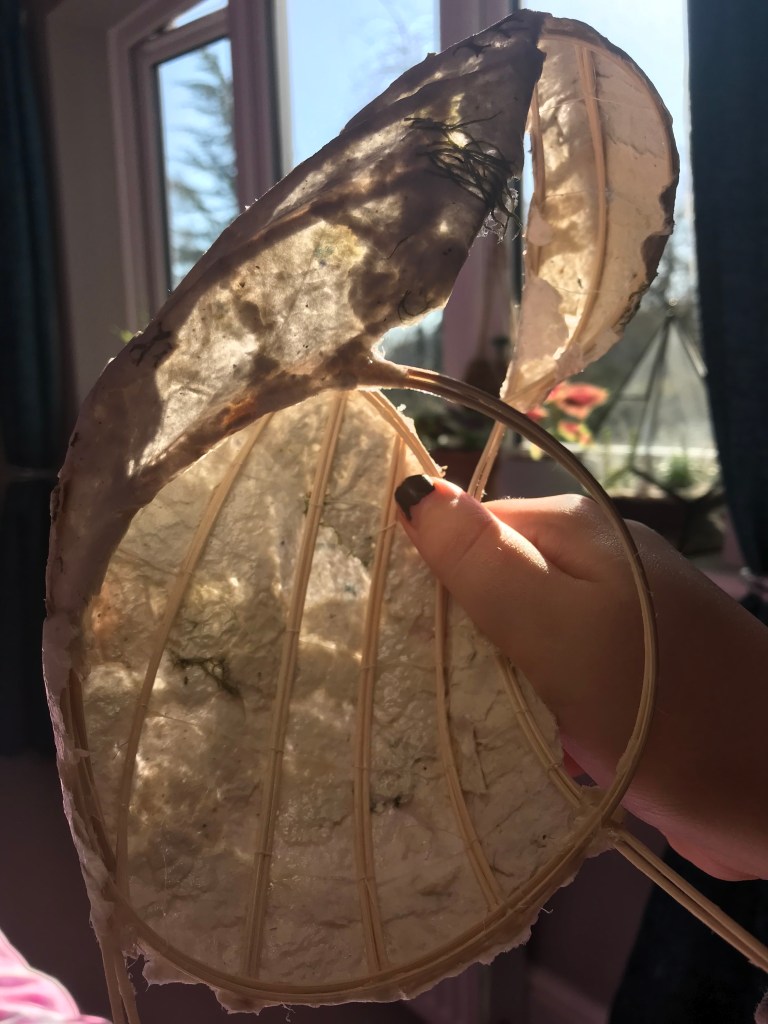
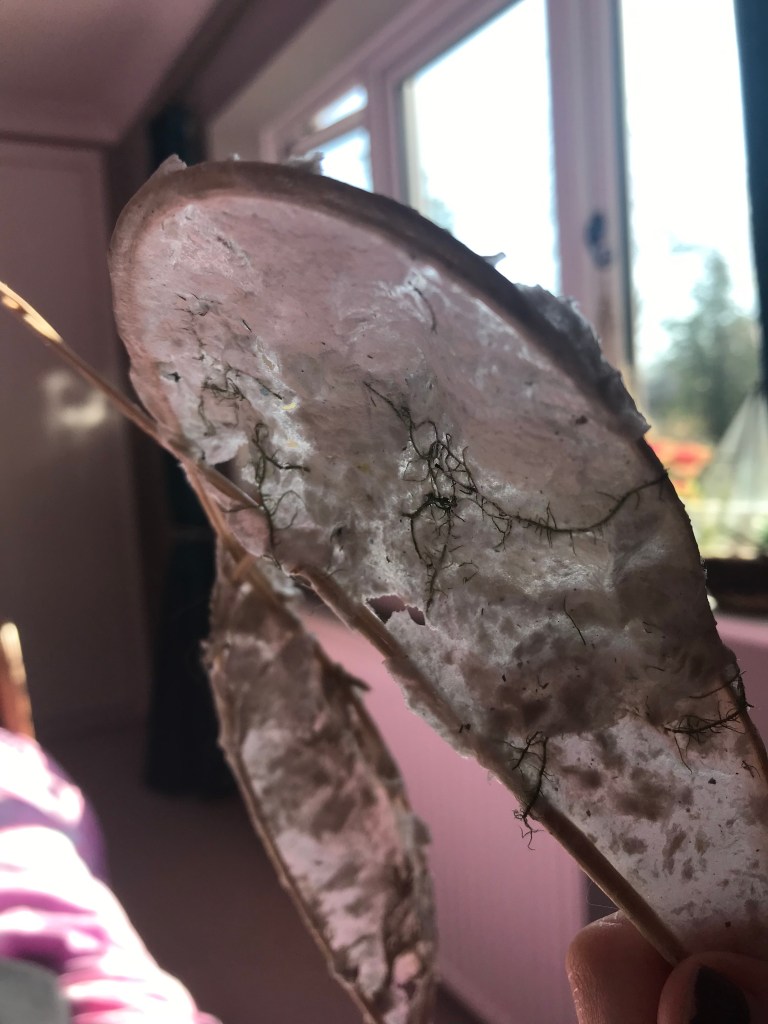
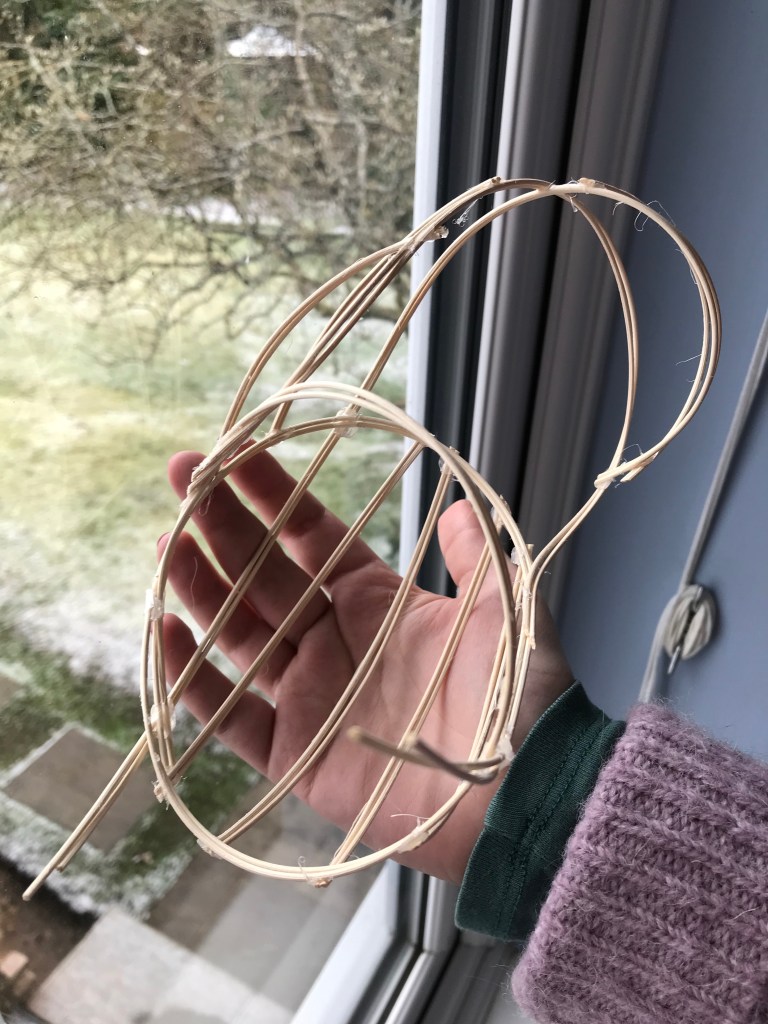
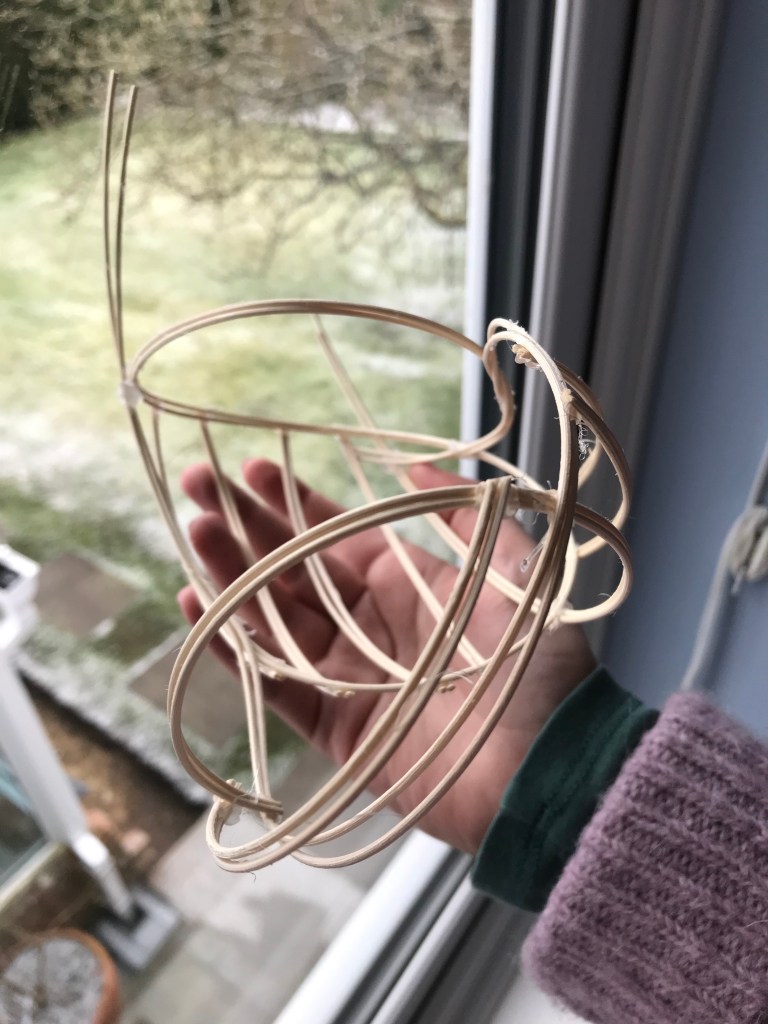
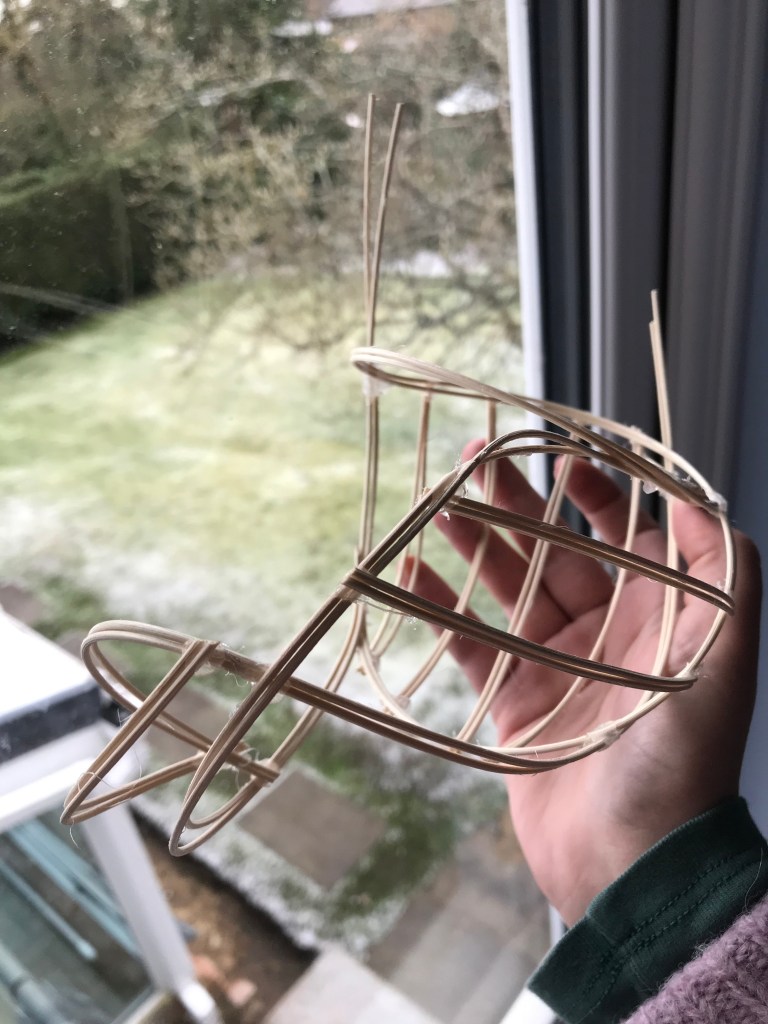
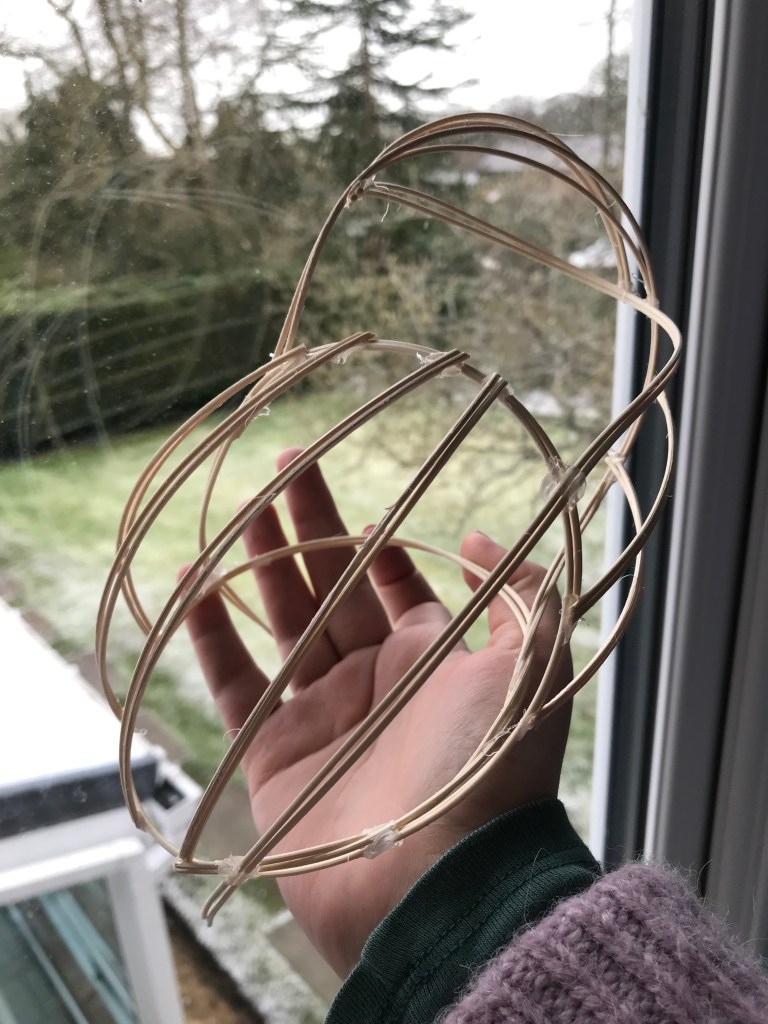
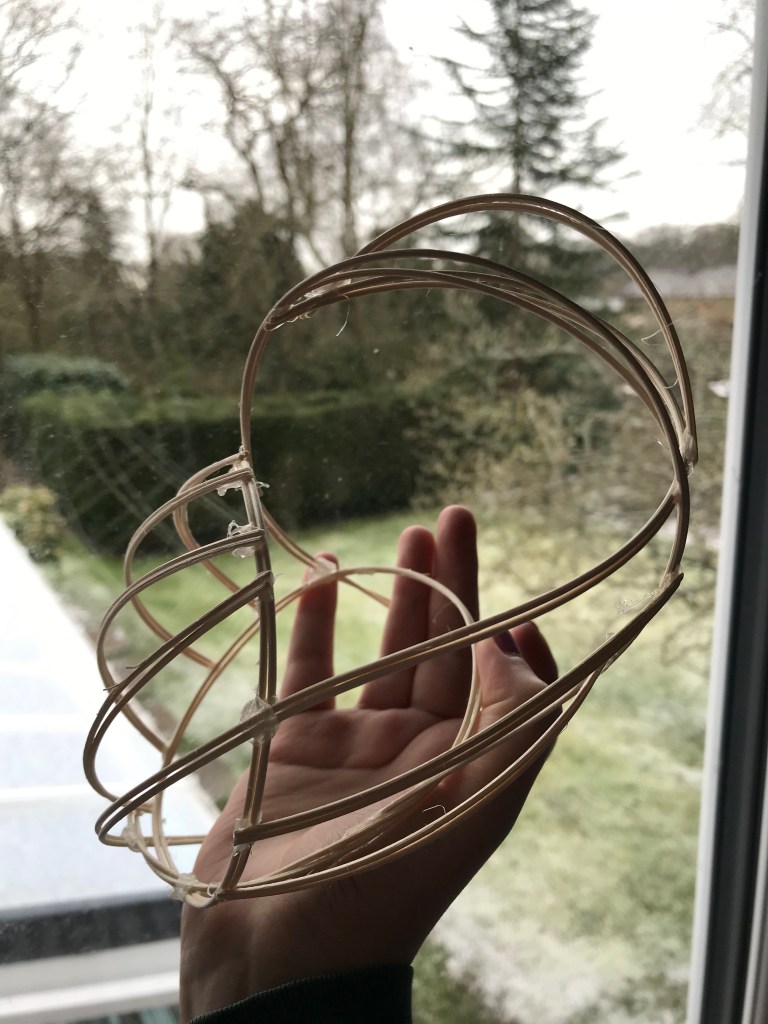
On reflection, the wicker frames I had created in response to the natural organic twisted wood images were not as successful as I would have hoped, although I like the structures and like the control I have over the wicker due to its flexibility. I find the forms are too rigid for me and the forms did not resemble inspiration from natural forms. The fragile fibrous nature of the paper was lost due to the use of pva glue (if I were to do this again I would use a more natural binder or glue to make it more sustainable and environmentally friendly, in theory the paper would then be decomposable) making them shiny.
The paper I had used for these forms was hand made paper used with recycled and reclaimed cartridge paper, making quite heavy thick paper, this became quite rigid when manipulated with glue and flimsy when wet as the fibre structure is quite weak.
To rectify this, I want to abandon the wicker form idea and focus on perfecting and experimenting with the paper making as well as exploring alternative forming with paper.
Moving Forward I want to focus on the natural form as my inspiration further expanding on the connection my work and my found materials have with the New forest.
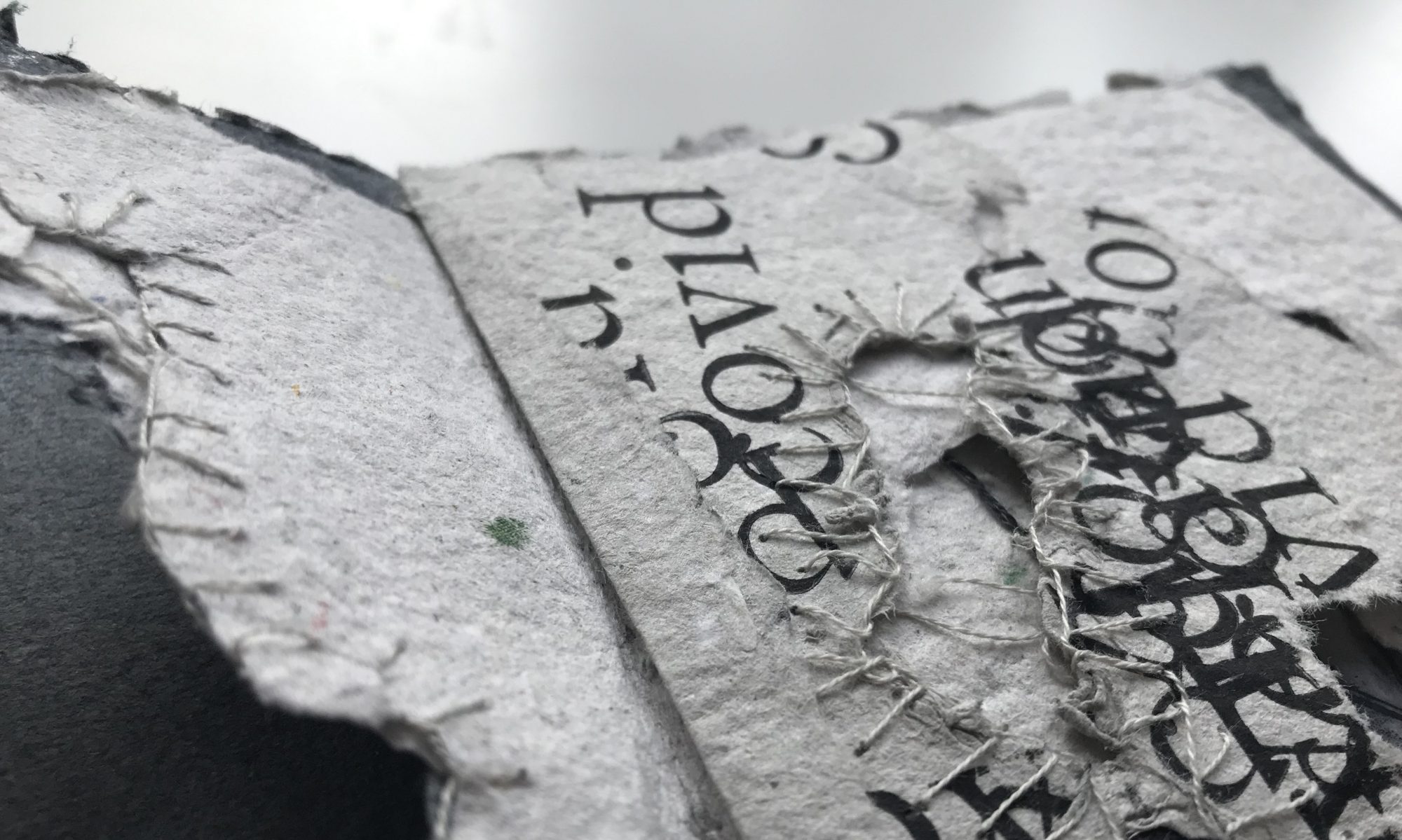
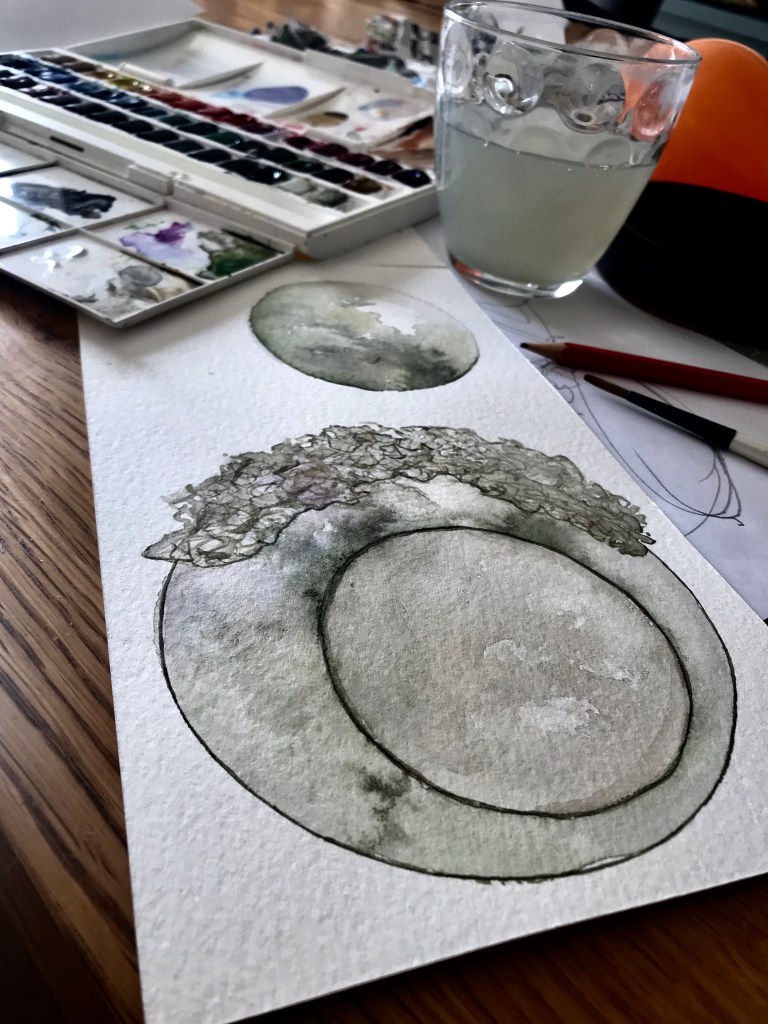
As a maker, my material of choice is paper although I have experience in a wide range of multi medium techniques and materials and often combine them. I take inspiration from my surroundings and make forms that reflect on the environment. My multi media work explores the fibrous, strong, fragile and opaque qualities of handmade paper though its functional and decorative use in both books and sculptural forms. I make, combine and manipulate handmade paper using stitch, letterpress and printing to create three dimensional sculptures and artist books. My work combines both traditional and contemporary techniques and materials. My ambition is to make work that is inspired by nature and my surroundings. I want the viewer to handle my work to appreciate the tactile nature of the materials and the layering and collage. I am very comfortable working both as part of a team or independently. I enjoy the process of collecting materials and foraging for supplies for paper making, often using materials that are local to me, or traditional to the craft of paper making and book binding. I enjoy making books that express awareness, emotion and often tell a story. My interest stems from wanting to exploring the traditional methods of paper making and binding and along with the varied methods of constructing and making using paper with text, recycled and natural materials. Which often involving the use of the senses of sight, smell, sound and touch.







 Lara Hoad Artist Designer: Maker