

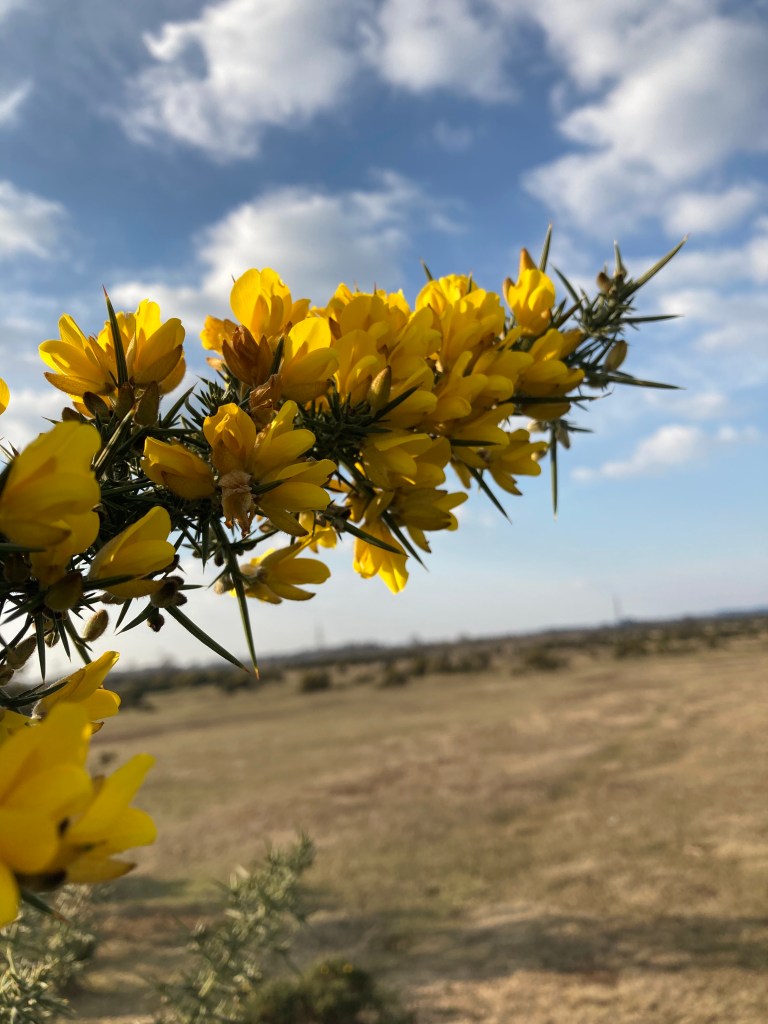
I collected gorse petals to dry out for use within my paper, this is a bush that has long spines and yellow flowers and is found growing wild in abundance around the Forest. I wanted to find ways of combining colour into my works alongside the naturally coloured papers

Talking with Pip, we discussed biodegradable designs. I came across Capsula Mundi. This is an ongoing project with a group of designers in Italy whose focus is on making greener and biodegradable coffins. The concept behind these egg like forms, is that once you pass away you are ben buried in a pod and the biodegradable pod allows for a tree to grow. The concept of this is really interesting for me as he pod is made from plant matter to limit the amount of trees cut down in the coffin industry. I enjoy how organic these forms are, almost quite sculptural. These have extremely limited environmental impact, and the Cradle to Cradle Concept in evident within the ideation of this design. Due to the legality of burials this is illegal in some countries and is still in the developmental stages.


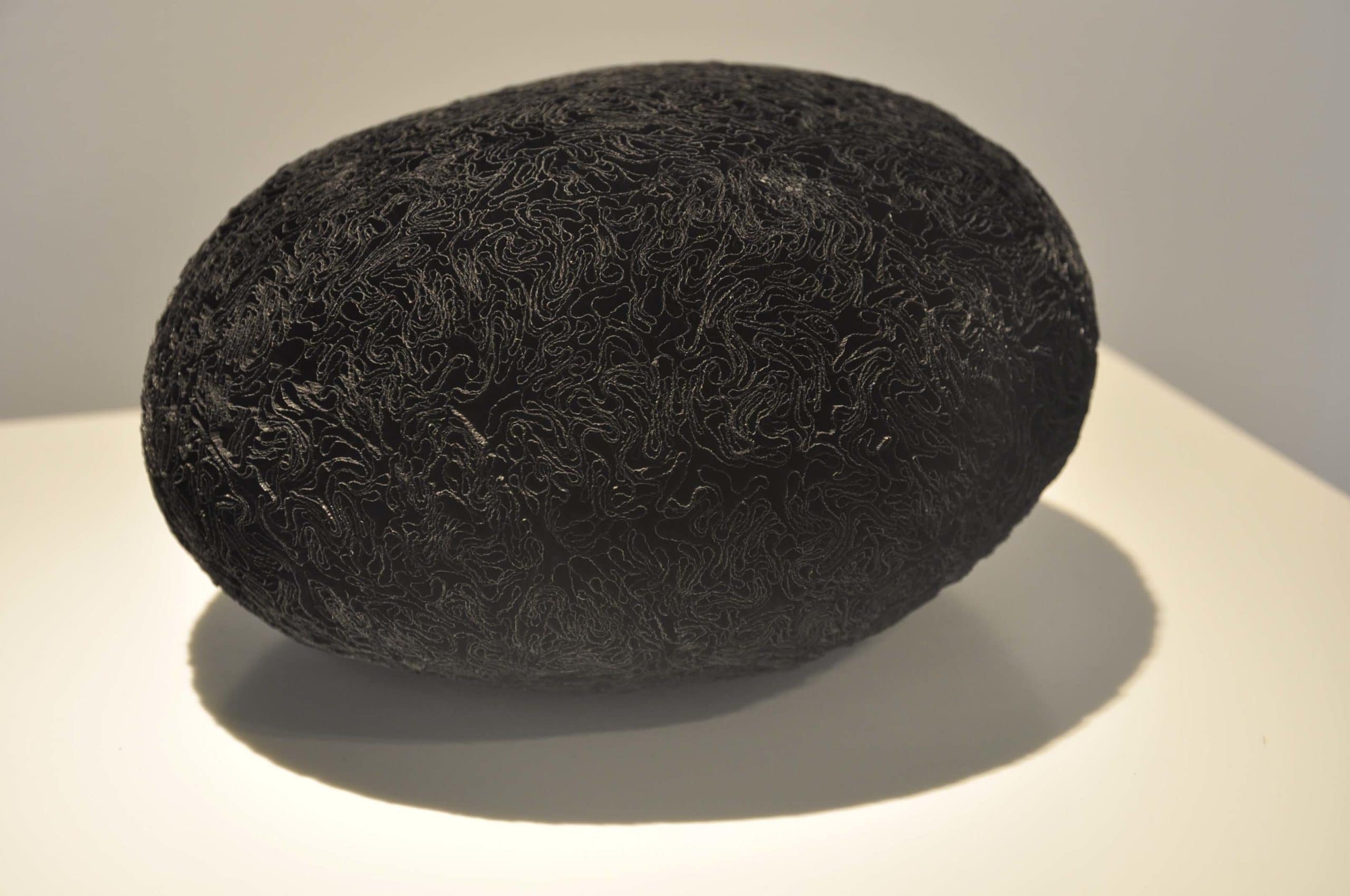
Coralie Laverdet is represented by maison parisienne, this gallery was one that featured in Collect 2021, this is where I came across the work of Laverdet.
Her work interest me because of the textural use of material, these sculptural forms are made from paper, although you would never know! they remind me of something from the sea. She explores the sensitive, sensual and formal language of materials through diversion, repurposing and recycling of natural fibers. these forms for me are very focused on the sense, they make you want to touch the forms. The forms she creates are very uniform and organically shapes , with smooth curves. I enjoy how the entire form is covered with this texture. They take the form of rocks as they are very densely pack with the paper that creates the texture. Her sculptures were selling for €6,000 – 8,000 in Collect 2021
Her work inspired me to explore the use of texture within my own work, to explore how plants grow and attach themselves to natural forms.

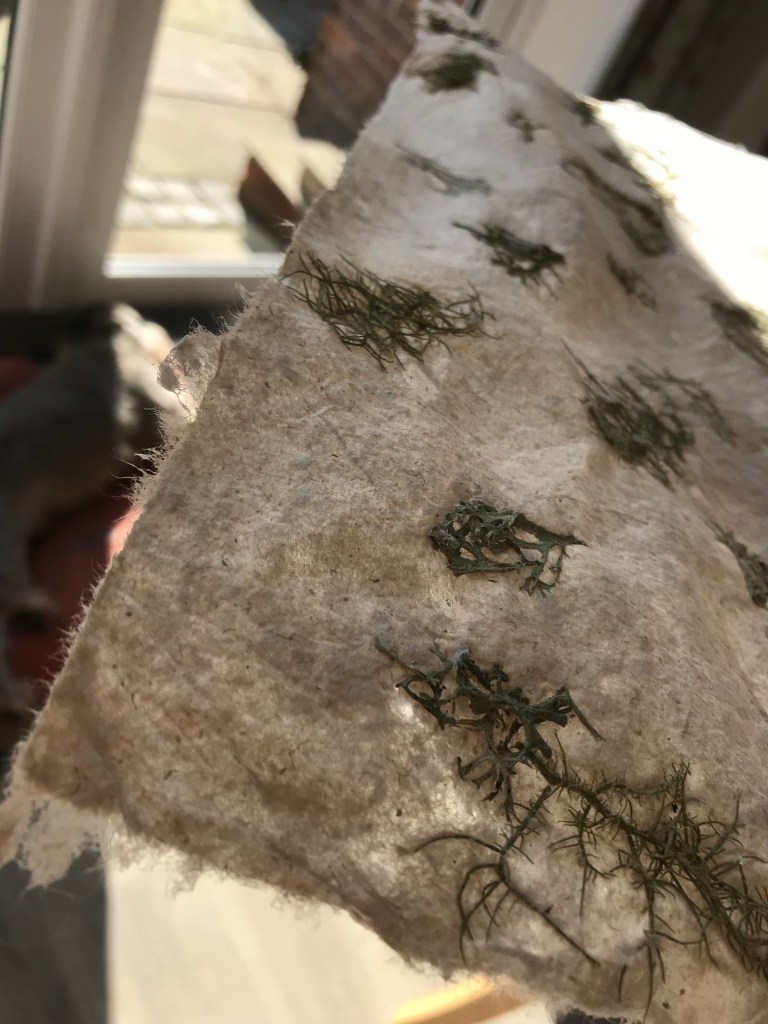
I am extremely pleased with how the corn flour glue paper turned out. i replaced the pva glue you would usually add to the paper to strengthen it with the cornflour glue and this resulted in stronger paper with more rigidity whilst having all the fragile qualities of artificially strengthened paper, the paper feels softer and less crunch and hard like the PVA glue. I am going to continue to use cornflour as an alternative as I am still able to get the variation in thickness and opacity. This paper was made with 50:50 abaca fibre and recycled cartridge.




After talking to Jon about my work, he suggested I look into biodiversity and the biological metabolism capabilities of my forms.
The Cradle to Cradle design concept takes into consideration the ideas of “reduce, reuse recycle” and making and producing goods that can be returned to the environment. this concept supports designs and products that make both positive impact on people and the environment. The concept was created by William McDonough and Dr. Michael Braungart, and evaluates material health, material reuse, renewable energy and carbon management, water stewardship, and social fairness of a product to determine its impact on the environment. if the product does meet this criteria is can become Cradle to Cradle Certified.
The product goes through a cycle. This cycle is evident within my own work. I produce my product with recycled, natural and renewable materials, these are then able to be degraded, which then ultimately returns to the ecosystem to regrow the plants. Where the circular cycle starts all over again. By doing this I am not only creating products that are harmful to the environment, I am producing artwork with the capabilities of being able to be reproduced using recycling. This is a really useful model to apply my work too.

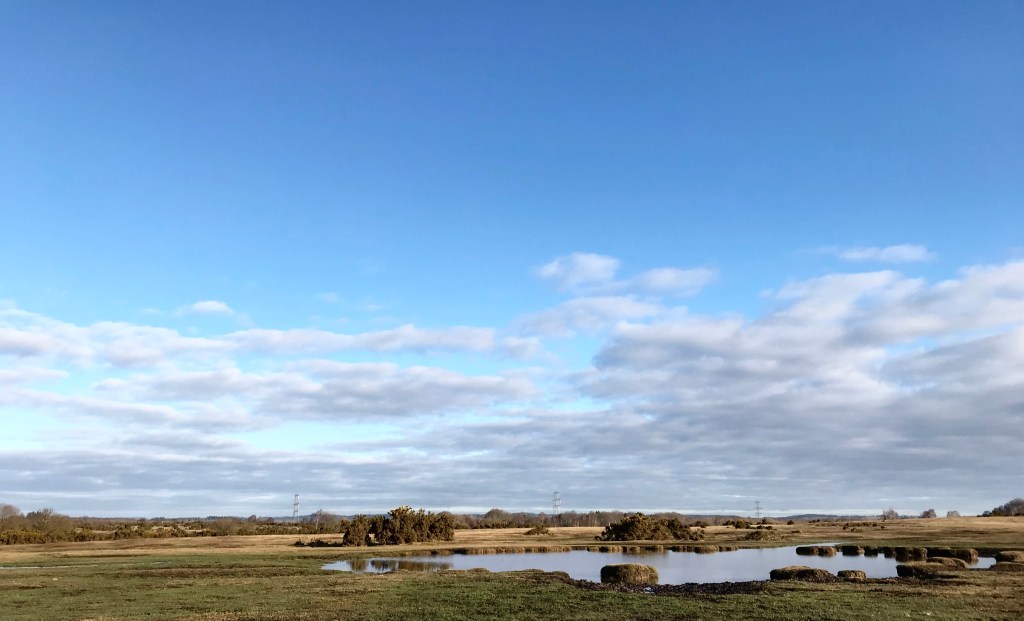
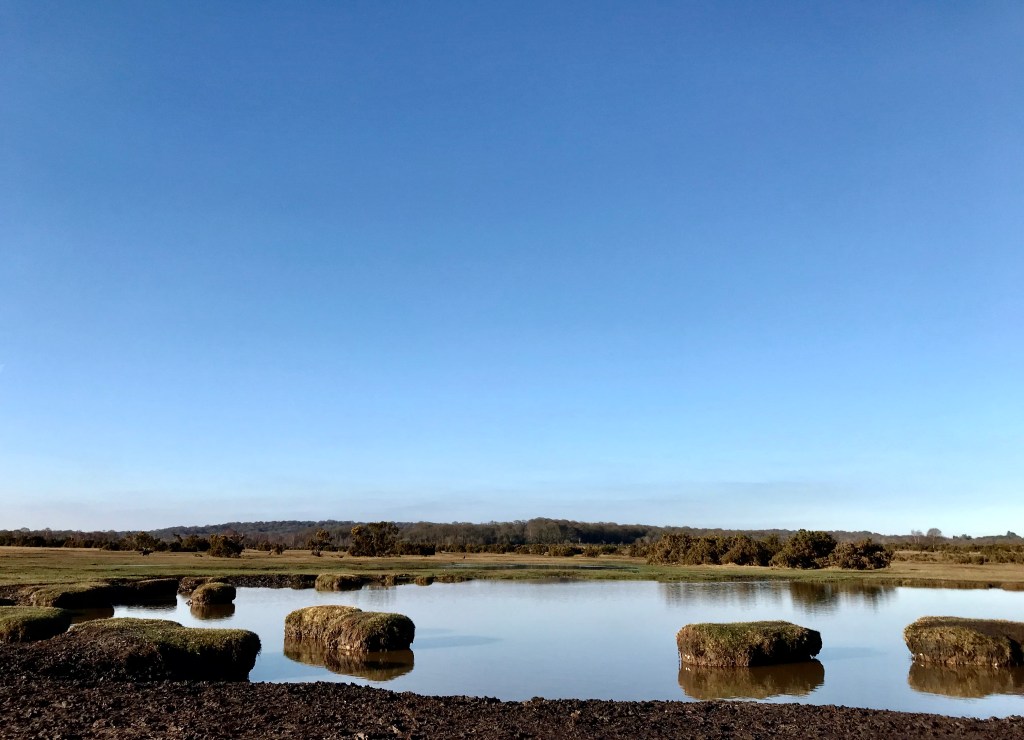
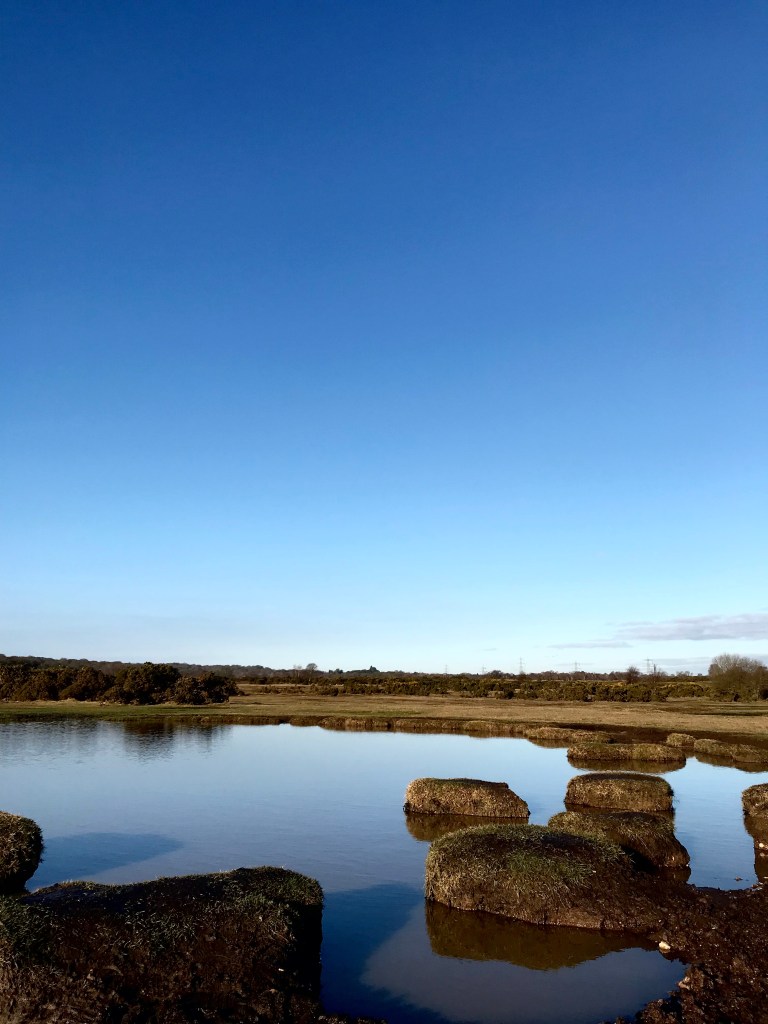
I wanted to experiment with my forms being placed within a site specific location, to see if this changes the context of the work. Making me create and form installations around nature. Placing my work within the context of nature doesn’t change the work, but working with the location I grouped the experiments together as a dispersed collection of spheres (experimenting with different locations), experimenting with them both facing up and upside down (do I keep the hole within the forms?). I found that by placing them within the forest it highlighted the fragility of the forms as the light passed through the thin handmade paper.


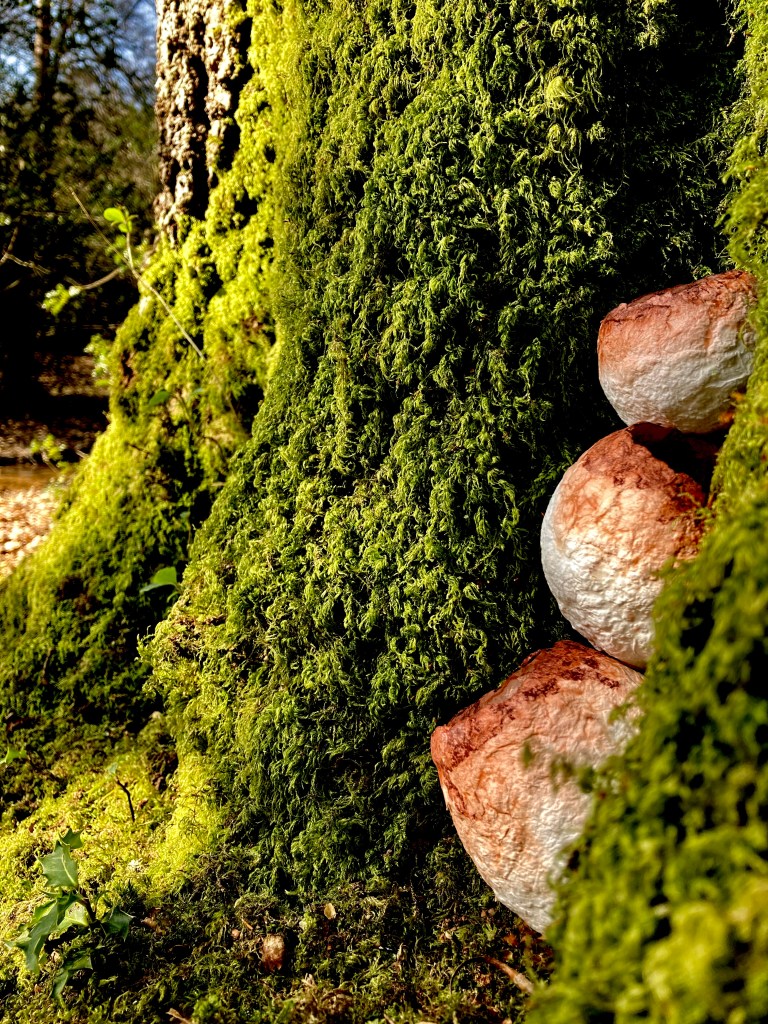

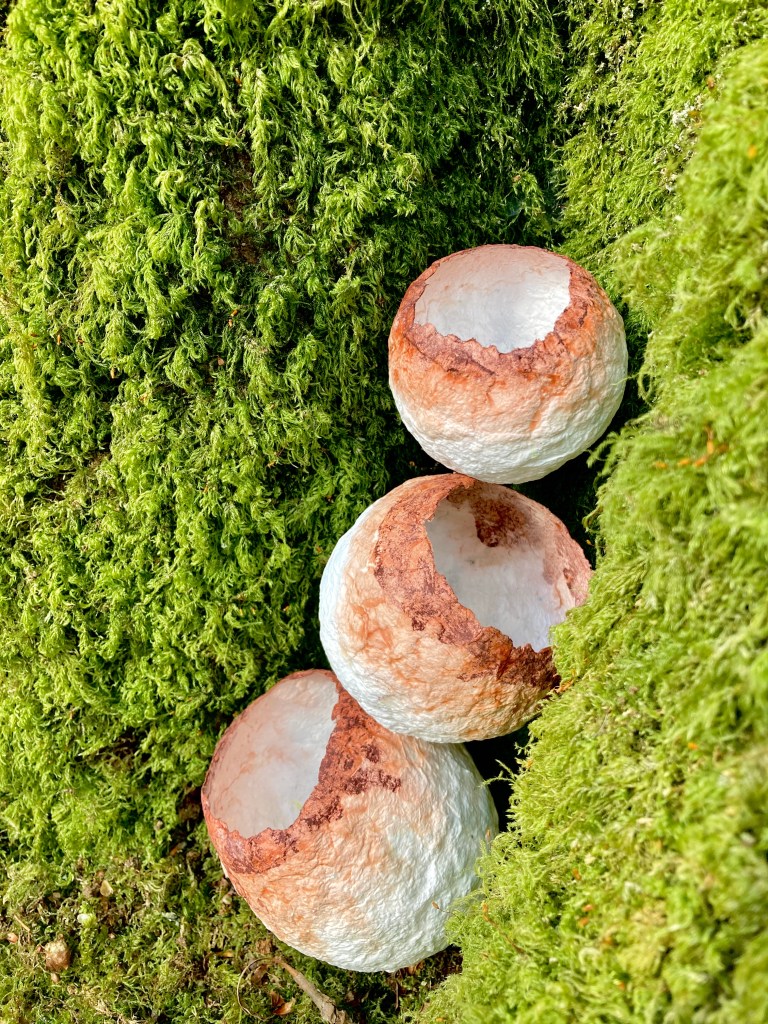


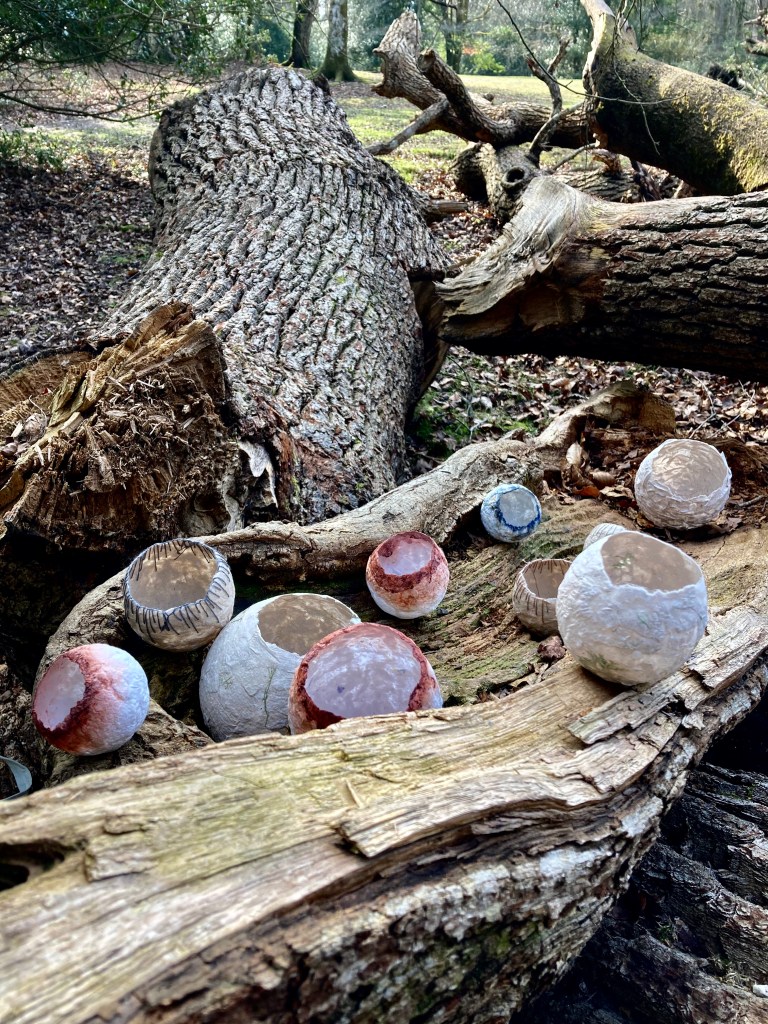


Reflecting on this I really enjoy how the forms work as a group, I could imagine them to all be different and slightly unique, even formed on a larger scale, spread amongst trees, fallen trees or within trees. These forms become very diverse as I could also picture them within a white gallery space placed on a found gorse wood (tree like bush that grows in the New Forest) although these are only experiments it is interesting to picture them as a group, to visualise how something might look. If these were to become a sight specific work, they would have to be a temporary ephemeral installation as they are very fragile, although these pieces are fully compostable, due to the material choices I had made. I wanted them to work in unison with the environment, to compliment it, keeping the forms neutral colours.
As part of this project I have been using what is available to me in my locality, this has resulted in collecting natural materials for use within my sculptural forms. I came across naturally formed skeleton leaves as a result of decay, and have found many other leaf types that are at similar staged of biodegrading.
I also find the leaves rather beautiful. The way they curl and shrink, I can see similar traits within my own paper making process.
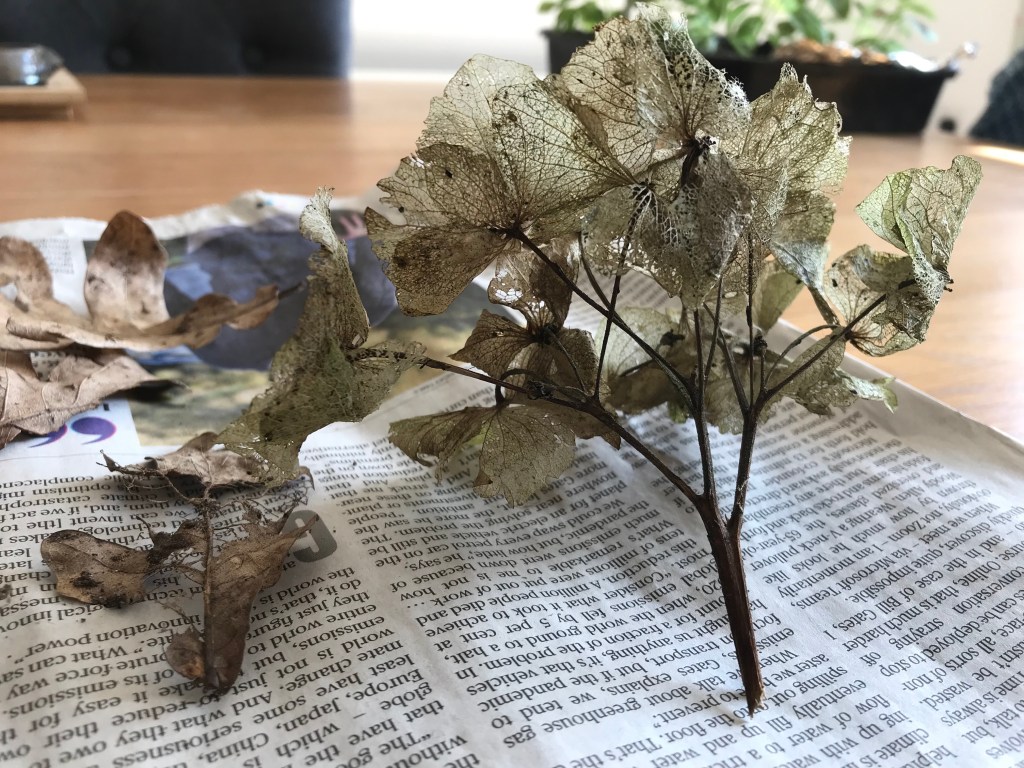
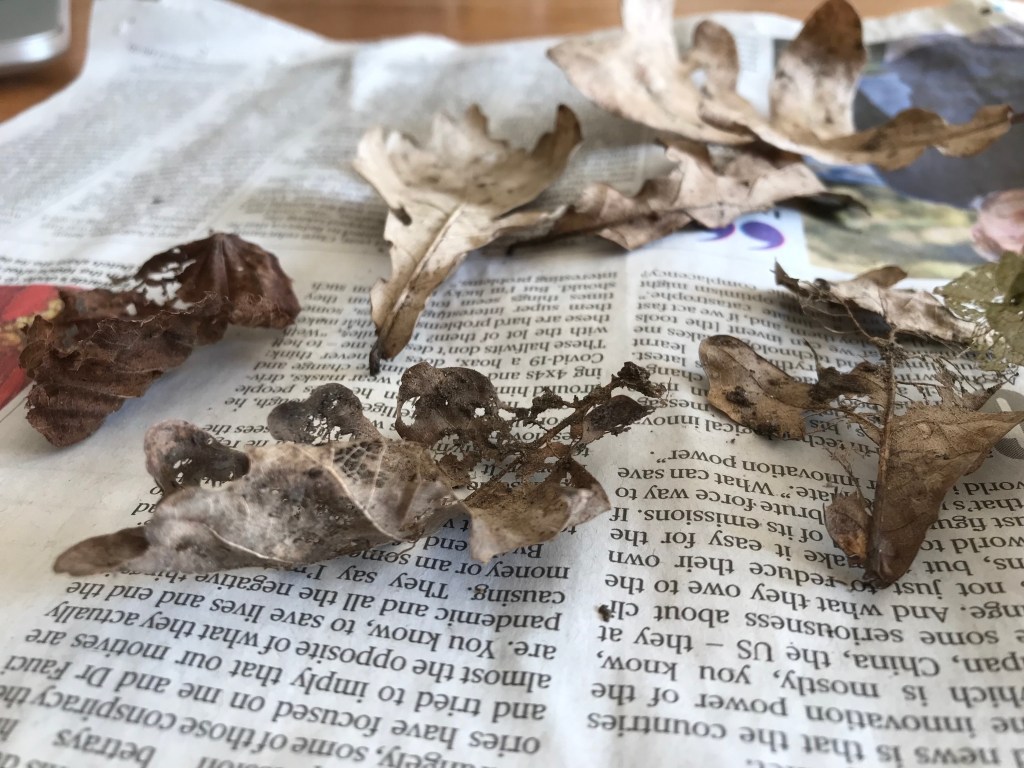
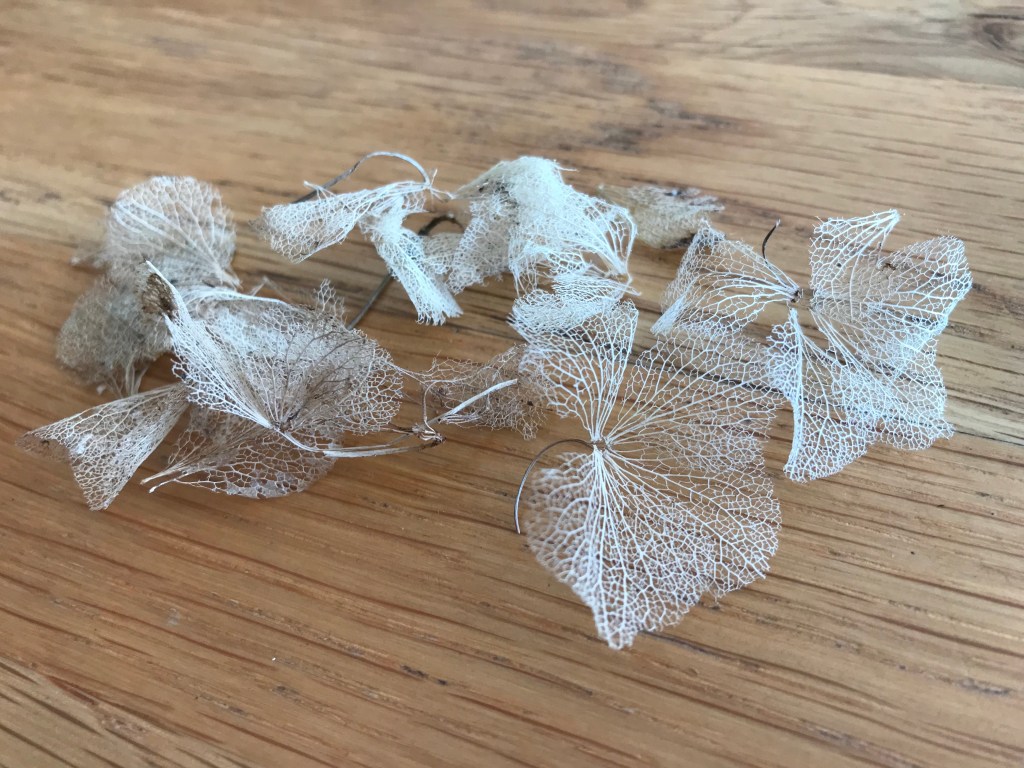
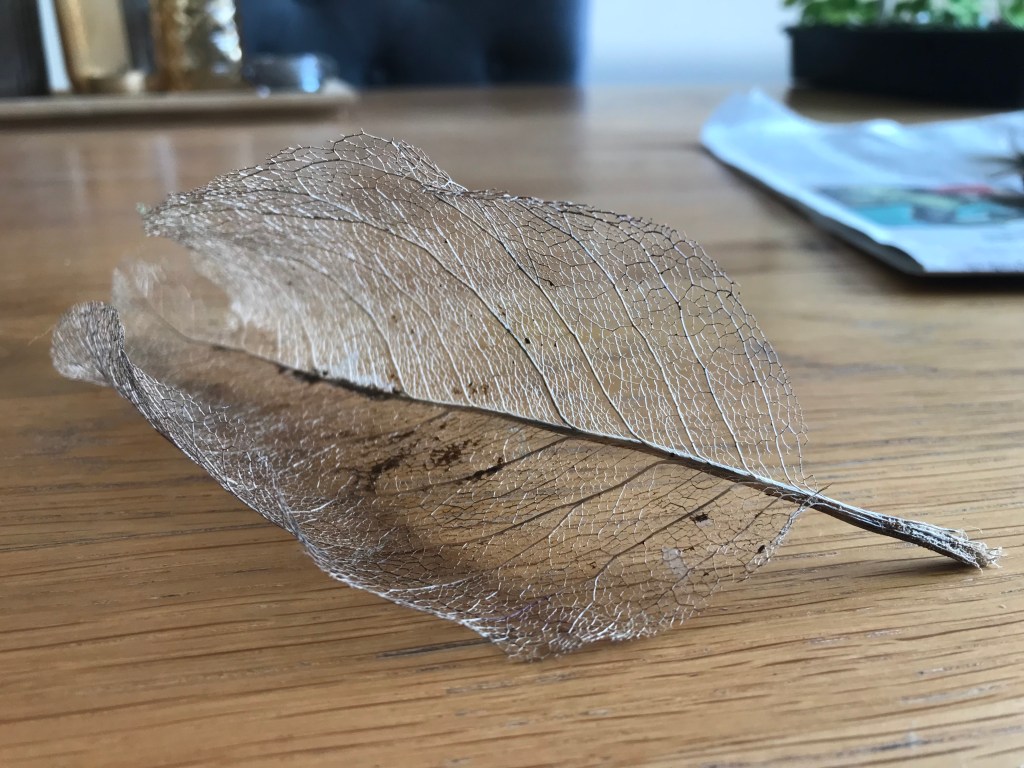
I have also found a way to speed this process up. by submerging leaves within water. fingers crossed this works as it would be beneficial because many of the leaves I have collected are not fully decayed. this process if it works will take about one week. I used rain water to make the process as authentic as possible.





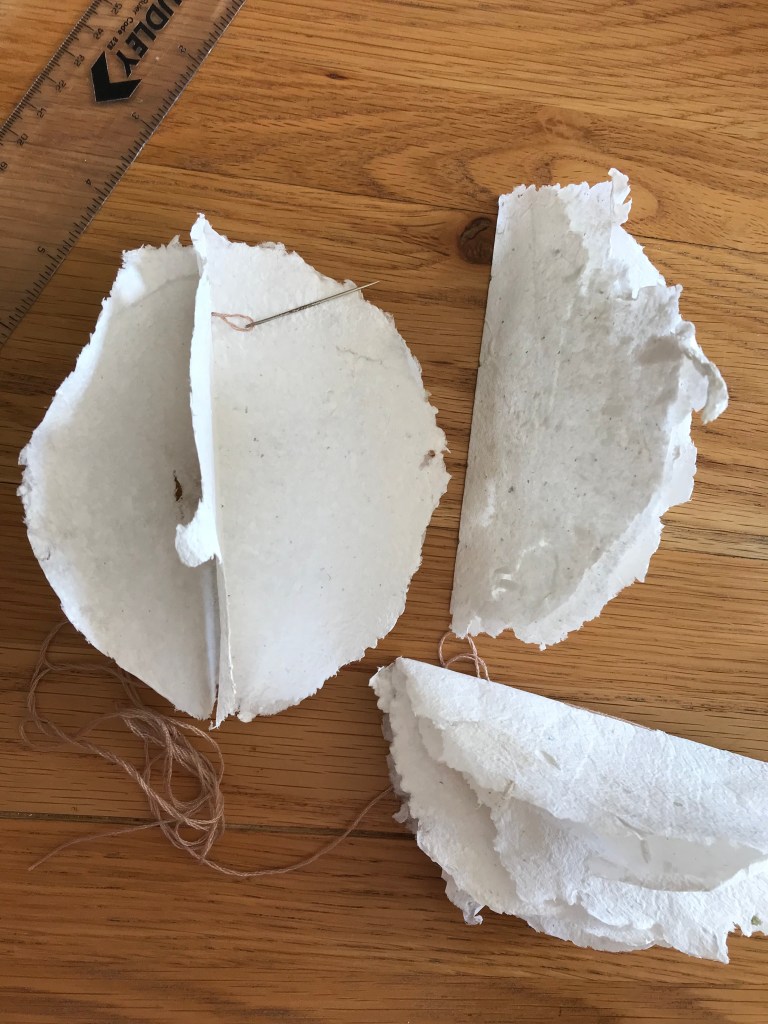

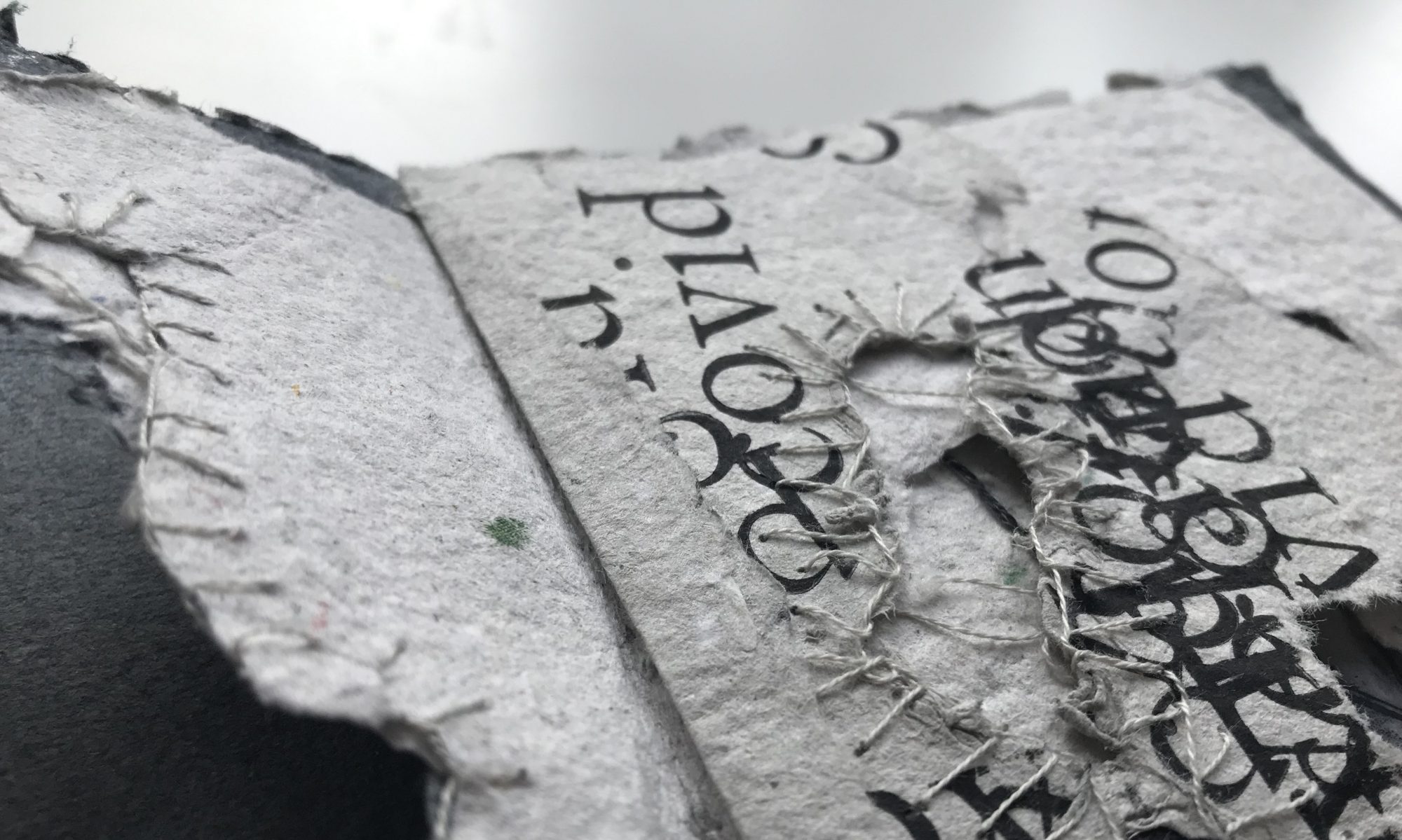
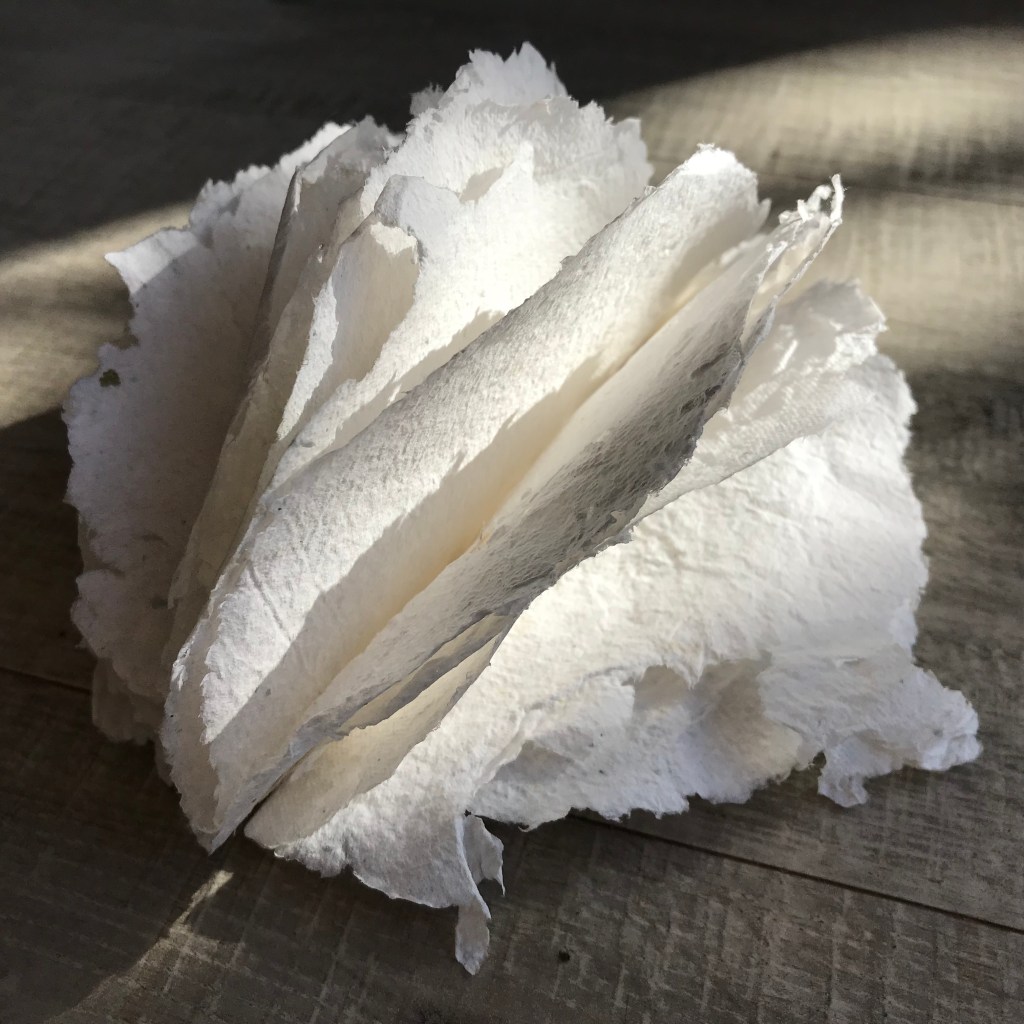
Embroidery hoop, recycled cartridge and corn flour hand made paper. I experimented with binding the circles of paper together using a multi signature bookbinding stitch, I really enjoy how this binding technique emphasises the papers deckled edge, giving it volume and highlighting its fragility, making the form very organic. When photographing this form I used natural light to create shadows between the layers of paper highlighting the textural qualities.


 Lara Hoad Artist Designer: Maker