Cradle to cradle is an design concept that ultimately aims to reduce waste and produce goods that are sustainable to develop. As well as produce goods that use and work with nature to regenerate. By creatings goods and products that benefit nature and use sustainable materials and processes to do so. this is to the opposing models of making products from recycled goods. The cradle to cradle model uses regenerative systems seen within nature as a basis for design. Making positive human design that is non toxic. Taking advantage of biological processes and natural resources that in turn replenish the earth and that can be fully recycled. Using the concept of a waste eco cycle that takes one organisms waste and regenerates it into something that can once again replenish the earth. these are products that use the biological metabolism and are designed to safely return back to the environment without causing harm, that can have nutritional or positive impact on the environment, for example biodegradable packaging. creating design in harmony with other living things.
I feel my work sits closely to the concept of cradle to cradle. The use of a recycled waste material that often end up in landfill (as paper is not always recycled), which I combine with natural cellulose and sustainable sourced andgrown materials in order to produce a sculptural form that can be biodegradable. I also create a positive impact and trace on my environment during the forms biodegradation as the sculptural forms contain wild woodland seeds, so in turn I am positively impacting the environment that I am taking the materials I use from.
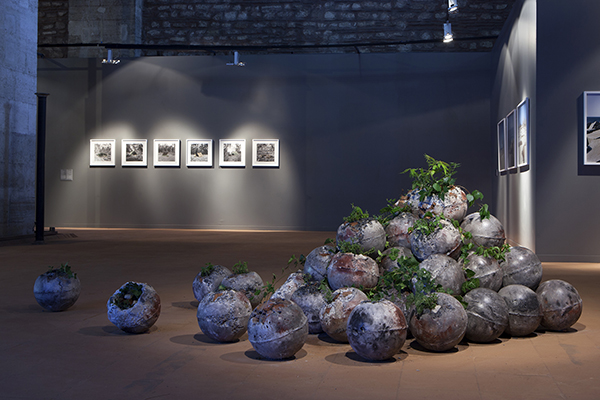
Jamie Norths work interests me textural man made surfaces contrasted heavily with the organic material and shapes of the sculptural forms. Norths work sits between the two, manmade and natural. Taking inspiration from the natural world and natural form, but contrasting it with the urban world. Using industrial materials and working with multiples.
The fragmented spherical forms interest me as my spherical paper forms have a fragmented edge due to the taring and deckled edge of the paper. Noths work has helped inform as well as justify the spherical form within my work. The spherical for is seen within nature constantly and is quite representational of the natural world.
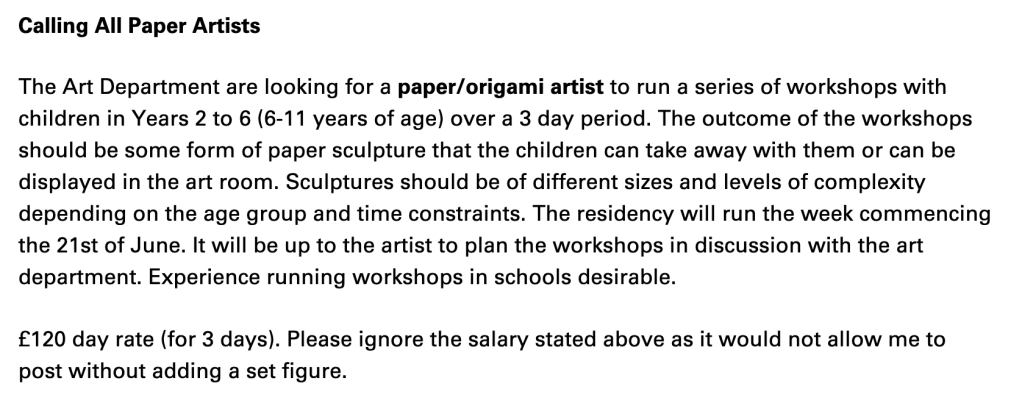
This is an opportunity for the 21st of june for 3 days teaching paper and paper sculpture workshops to children at Eaton Square School. This directly adheres to my skill set and would be something I would be very interesting in experiencing. I have a ambition to run workshops and this would be an extremely valuable experience . The advertised job closes on the 10th may. This would give me a chance to take lead on a workshop as well as develop my own skills in teaching others. I do feel I don’t have enough experience to undertake this but I don’t want to rule it out and it is something that is worth applying for to me.
Posted on
Found, I believe these are song thrush eggs but I am not certain about this. I found this is the New Forest and I was intrigued by the way this natural structure was made, smoothed with mud on the inside and textured on the exterior, As well as how similar to the forms I am creating from paper, the way birds collect and use organic materials that can be returned back to nature, these nests look as if they are growing.
Posted on
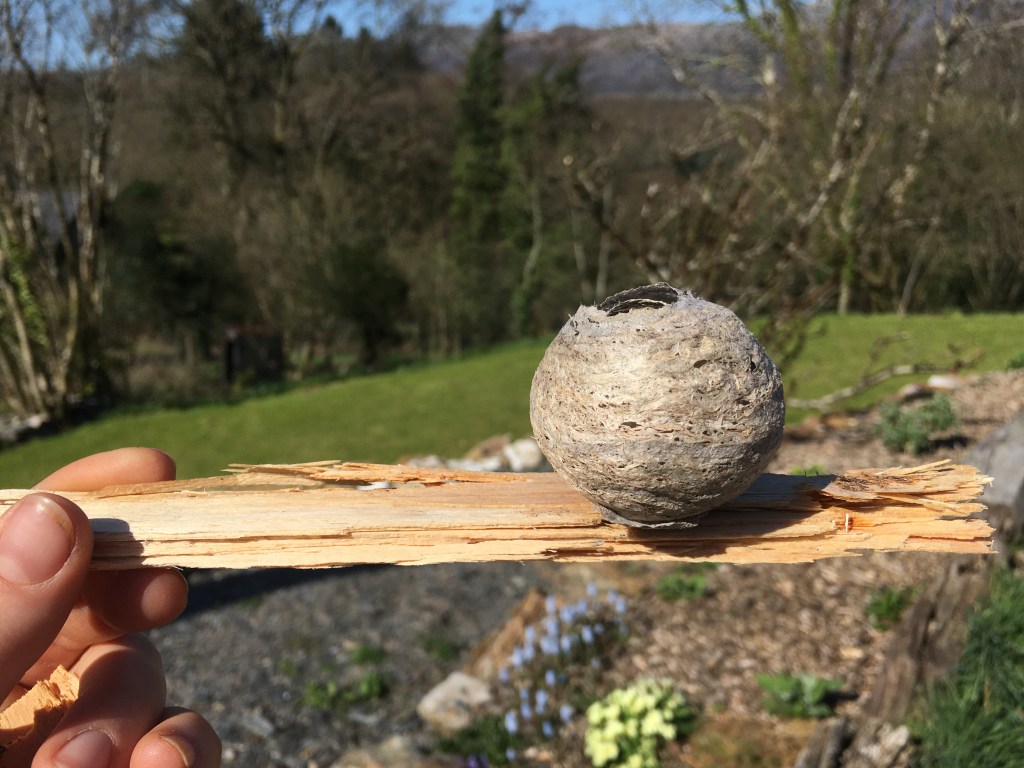
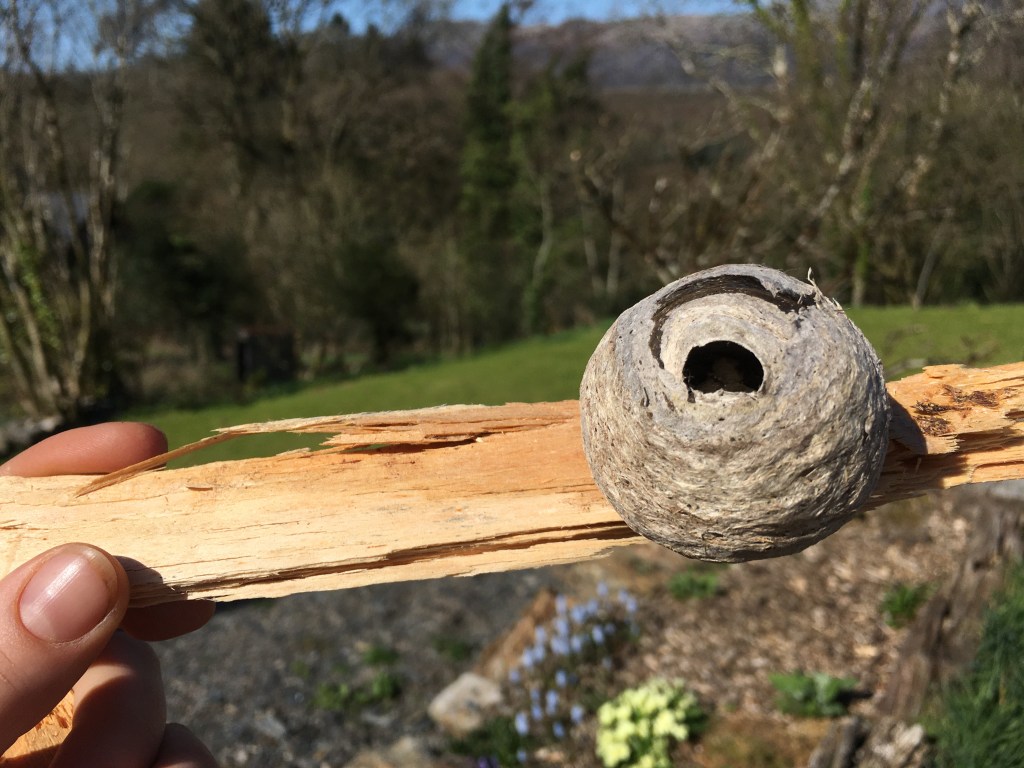
Found wasps Nest, interesting connection to my own forms. Naturally built using chewed up wood pulp to create a thin paper like structure. Wasps create these structures to protect their nests. These forms are built in a similar way to a paper making process, this intrigues me that an insect builds structures like this, this was one of the initial natural forms that inspired the shapes of my forms.
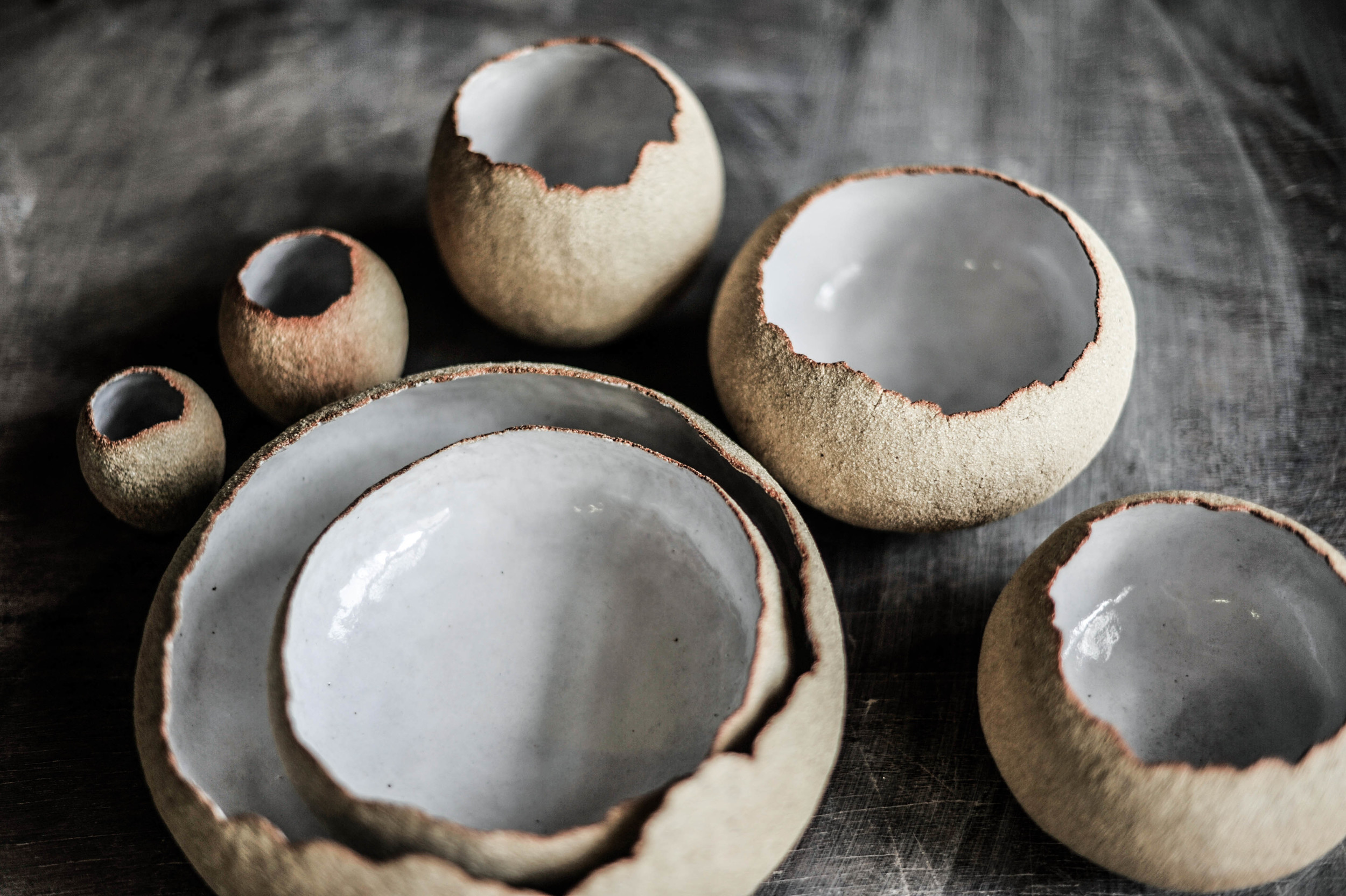
I was interested in Lisa’s spherical handbuilt ceramic forms for the fragmented pinched edges using grogged clay for texture. Lisa is a Hackney based ceramicist who creates functional forms with the inspiration derived from nature as well as the relationship between human and nature. she enjoys the idea that her work looks as if it could be extracted from the earth.
I enjoy the fragmented edges of her work, the collective aspect of the groupings. Each for is different from the next, unique and organically formed by hand. The edges make the forms organic, much like the fragmented edges you see within nature with broken shells, egg shells, leaves ect. I also enjoy the smooth interior of the forms, this is similar to my forms, Where the textural elements are on the exterior similar to growth found on rocks, plants shells etc with seaweed, lichen or moss.
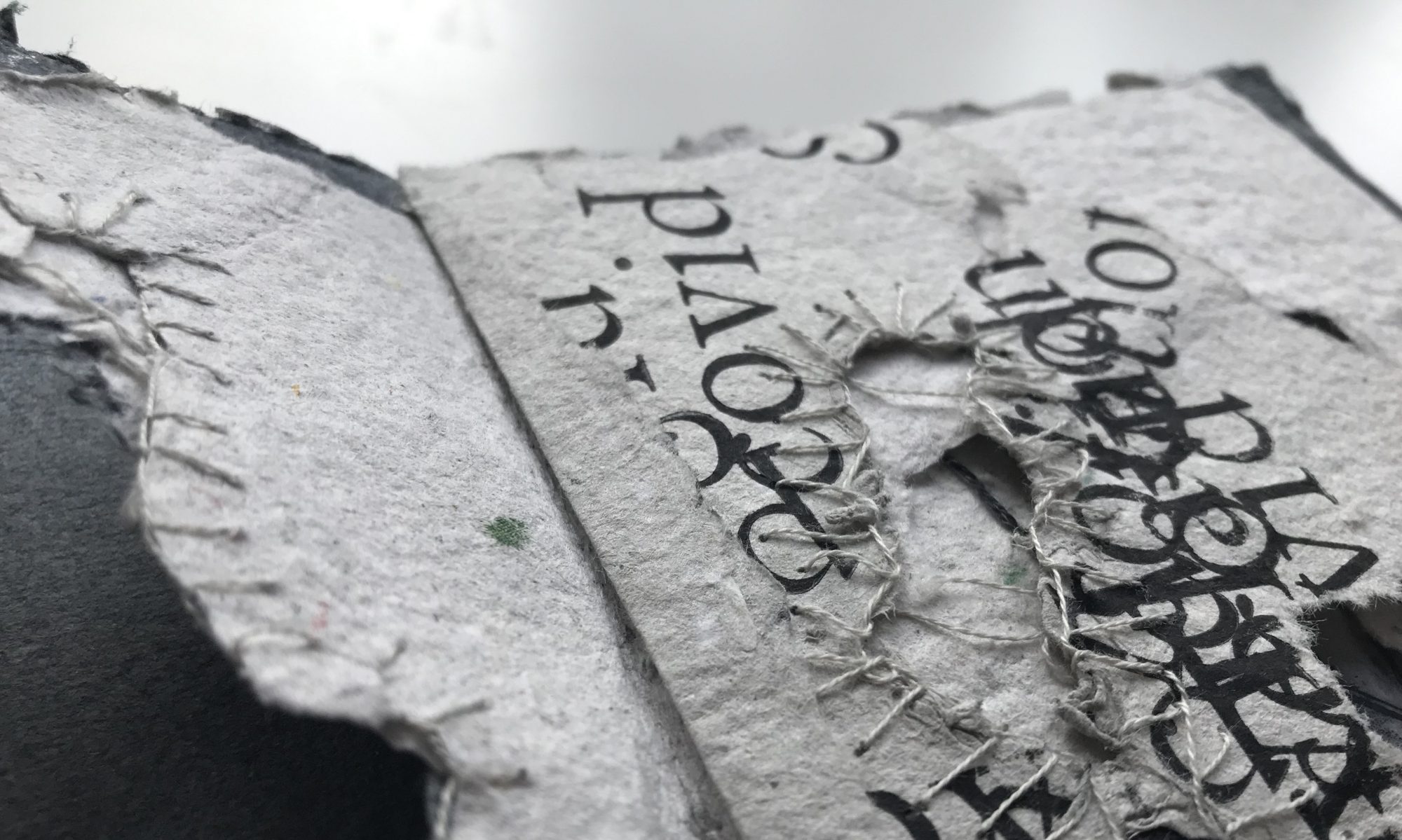
I have purposely tried to achieve the same thing within my own work emphasising the connection to natural forms, the deckled edge of the paper helps to emphasis this further, the less uniform and perfect the more it explores this connection.
Talking to Ingrid, we started to discuss how my forms could leave their own trace as they biograde, we started to discuss products that are designed to biodegrade or create a positive environmental impact, rather than harmful.
I have previously only come across a few products that encourage this, it is a nice idea for me to explore as when my forms biodegrade they would naturally leave very no trace, it would be nice if these forms greater new life. Introducing seeds to the paper making precise could be a nice way for me to embed the seeds. I would consider using more native seeds to the New Forest as not to introduce species of plant that would not usually be found. I have always had an interest in plants and ecology and have always been green fingered and environmentally conscious of my imprint on the world, this could be a beneficial addition to my sculptures. This would also encourage bees and butterflies which are integral to the environmental systems.
Seed Bombs
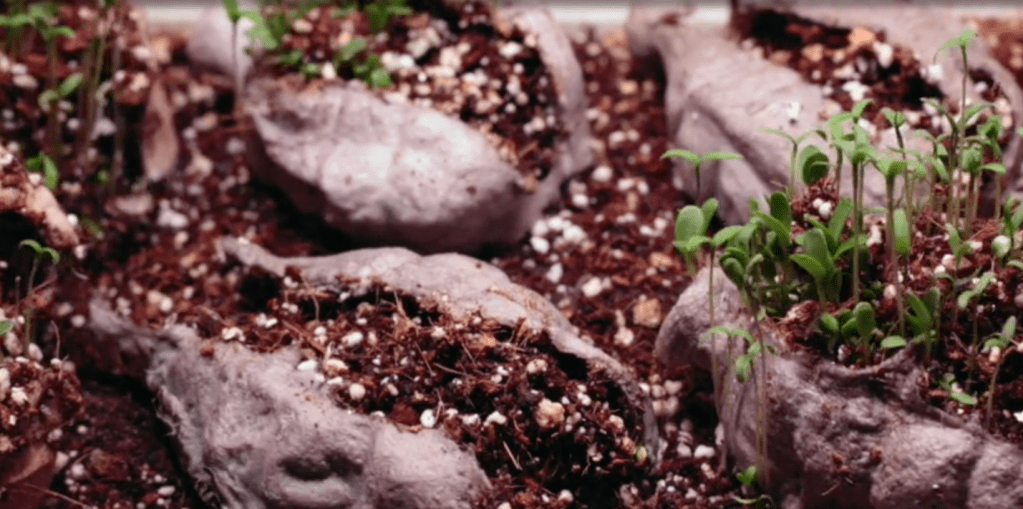
still taken of time lapse of biodegrading pod
Could incorporate seeds in this way? would it be beneficial for me to take a timelapse of my own work biodegrading to show the potentials to biodegrade my sculptural forms? https://kabloom.co.uk/shop/
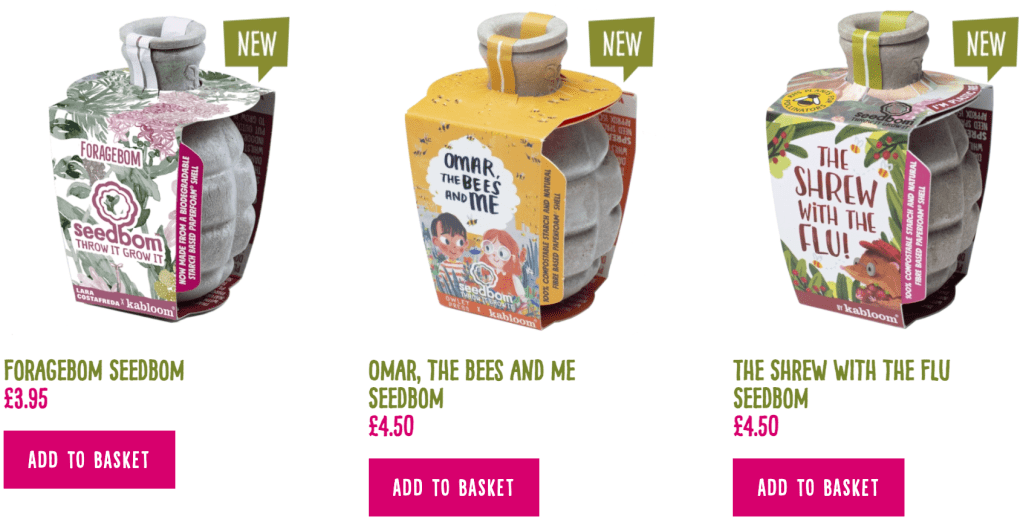
Kabloom is a company designed in Scotland by Darren Wilson during his design and craft degree. Kabloom designed an interactive way to encourage people to consider and encourage the environment and bee population. These are interactive and eco friendly. Exploring the idea of regrowth, the bomb disintegrated, recycles back into nature and flowers grow from within. Using a controversial symbol of way transformed into a symbol of peace. Made with starch and natural fibre based shells.
Biodegradable, interactive and not harmful to the environment
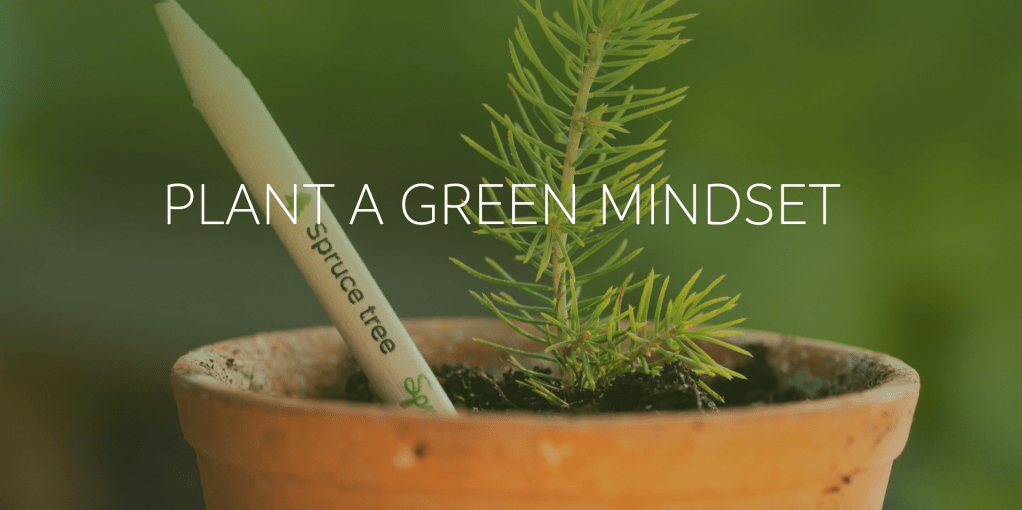
Biodegradable pencil, once used, grow a plant from the pencil, encourages sustainability and encourage people to care for the natural world more, through interaction. made using sustainable harvested wood. Environmentally friendly packaging, able to plant and biodegrade.
Eco friendly alternative to plastic coated pencils, creates a positive difference
Packaging made from handmade paper with seeds.
grow herbs, plants and trees from something that would be discarded once finished.
During my group tutorial with Ingrid, we discussed how my work was becoming larger scale, she suggested looking at large scale paper clay and paper sculptor Rebecca Hutchinson. I was amazed at her interests and direction of her work as they align very closely to my focuses and interests into natural forms.
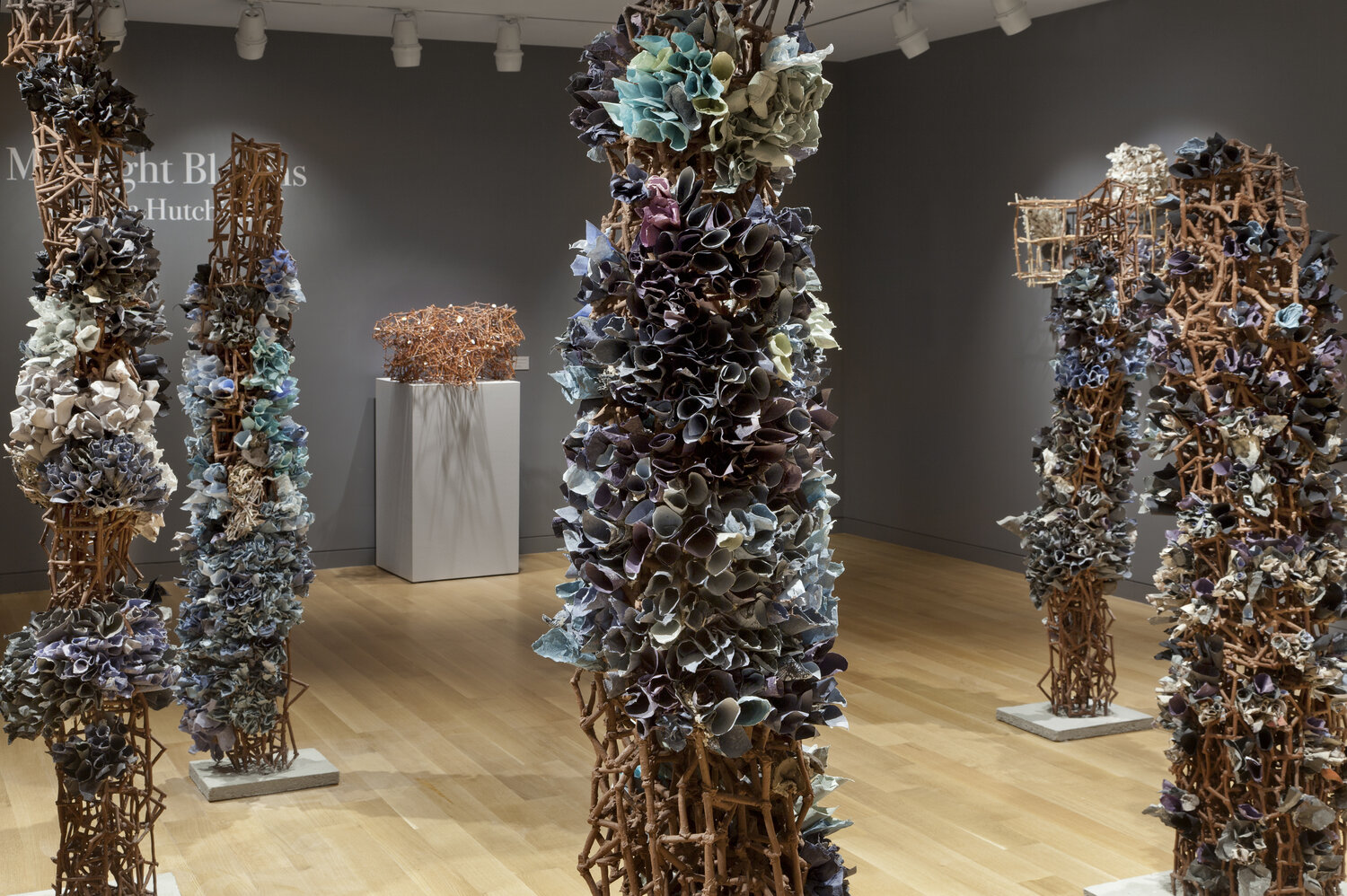
Midnight Blooms, fired and unfired hard construction building style of cone 04 earthenware, fired and unfired paperclay, handmade paper, organic material, and concrete. https://www.rebeccahutchinson.com/storm/07nrex0k82vuzbhhvdmbun0pi8tyajScreen grab from Rebecca Hutchins website, wall installations, made from handmade paper, paper clay and organic materials.
Rebecca hutchins sculptures explore the tactile connections of the environment and natural structures. Exploring this through handmade paper and paper clay, using references from ecology and plant structures. These forms become very site responsive to material and process, using recycled and collected materials. Ienjoy the way the forms vary in texture and colour, scale and detail. I enjoy how the forms grow out of the structure, leaving parts of the frame exposed. the sculptures look like they belong as a collective but not one the same as another.
Growth, inspiration form ecology and natural structures.
Natural and recycled materials to make the forms, paper clay
Large scale, site responsive, intricate, textural, collections/ groupings
Moving Forward, I want to continue to develop my forms taking influence from Rebecca Hutchinson’s work with regards to the idea of collections, a family of forms (making each different from the next varying the texture, the size, representing the idea of growth) , also continuing to focus my ideas of site responsive sculptural forms using recycled and natural materials. Hutchins work sits well within a gallery space. I am starting to consider where my forms may be best placed. Although I have designed my forms to be biodegradable and a response to my experience within the New Forest. For the purposes of preserving and sharing my work, a gallery space would best represent my work, although for the purposes of showing the audience where my inspiration came, I want to photograph my sculptural forms within the environment.
I really enjoy the simplicity of Hutchinson’s website also, she clearly lays out her work and her bio and about page really emphasises her inspirations.
After reading an article by Asia Pulp Paperon paper as a sustainable medium of art, I have discovered the importance of paper as a material that supports a sustainable, renewable, recyclable, biodegradable and compostable. Although I was aware my practice was one of sustainability I did not realise how far the scope of possibilities paper has as a material for construction and strength as well as an innovative design and construction material with the capabilities of undertaking the biological cycle of recycle and renewal.
This recycling and use of paper and other eco friendly degradable and recycled materials has been used internationally by artists and designer to explore a more sustainable alternative to nonrenewable or fast fashion type art and design such as fabrics and plastic based materials, or materials that cannot break down naturally.
This is an ongoing project with a group of designers in Italy whose focus is on making greener and biodegradable coffins. The concept behind these egg like forms, is that once you pass away you are ben buried in a pod and the biodegradable pod allows for a tree to grow. The concept of this is really interesting for me as he pod is made from plant matter to tackle the rising issues surrounding deforestation within the coffin industry. I enjoy how organic these forms are, almost quite sculptural. I enjoy how life if encouraged to grow from old life, Similar to my exploration of things growing from things. These have extremely limited environmental impact, and the Cradle to Cradle Concept in evident within the ideation of this design. Due to the legality of burials this is illegal in some countries and is still in the developmental stages.
Biodegradable material, alternative, returning to the ground.
WooJai Lee, Korean-New Zealander designer creates bricks and furniture from recycled newspapers to repurpose a discarded material. Newspaper pulp is combined with glue and compressed into the moulds one dry they become extremely strong. This innovative design uses recycling at its key and could combat deforestation and create a new use for a surplus of discarded newspapers material into something beautiful and modern.
Compressed recycled composite material, used form construction
Use of waste material, interesting texture and marbled effect
Pangea Sculptures, are UK and Africa based company who create unique metal African Art sculptural forms of African animals and culture from metal, the metal is taken from the car scrap industry. This is a great way to use a scrap material that would ultimately end up in landfill. I really enjoy the scale of these forms and the textural quality created by the layering and welding. All the forms are hand made and recycle and repurpose a material.
Sculptural forms made from a surplus of waste material.
Making something beautiful, large scale from rubbish.
Phoebe Cummings is a UK based ceramicist and sculptor who primarily explores clay through its raw state. The forms above was exposed the the elements encouraging environmental changes to create erosion and disintegration, causing the clay to return back to its natural state in the ground.the forms become textured, weathered, worn or distressed as a result. The work becomes non permanent and ephemeral, with very little permanence, trace or effect on the environment. As these forms are very organic and fragile and brittle they become even more delicate and vulnerable to the environmental elements. The leftover pieces of the sculpture after the exhibition are collected and recycled back into workable clay.
Ephemeral delicate, undergoes changes through environmental control
Organic, use of recycling. Returns back to its original state, returns to nature








 Lara Hoad Artist Designer: Maker