PRODUCTION: applying paper

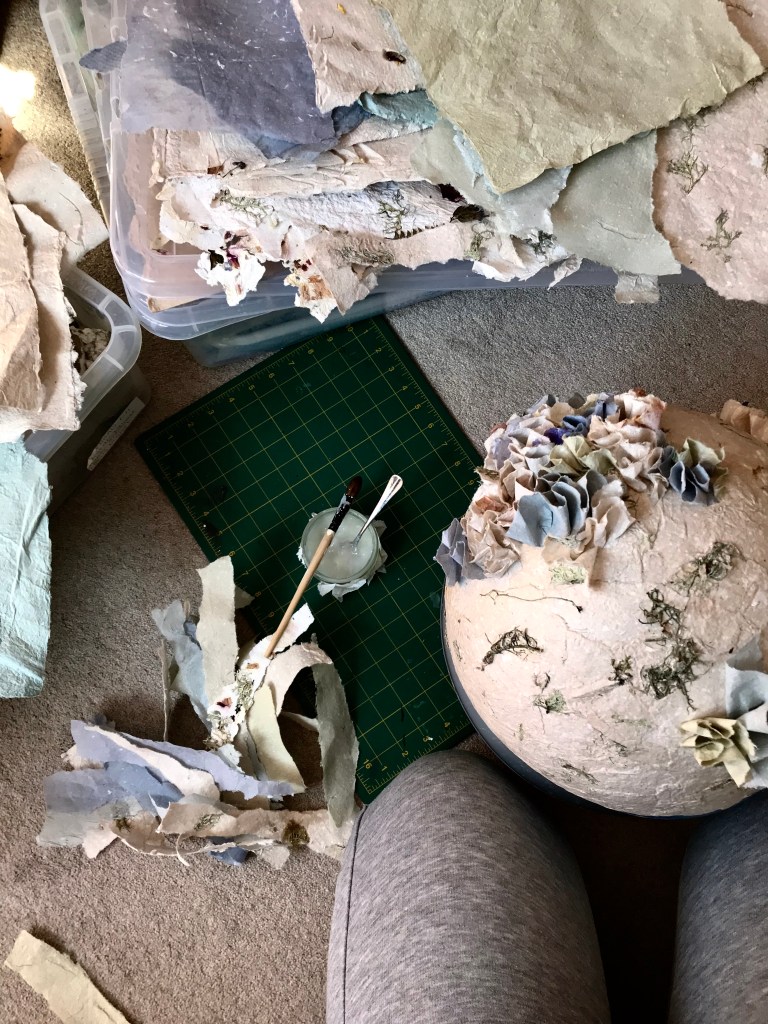
After exploring many ways of applying and creating different textures. As well as my exploration into plants and organic matter such as moss and lichen, specifically in the New Forest that grow by attaching themselves to other natural form. This formed the bases for my inspiration of creating texture that was on the external surface of the organic spherical forms (inspired by spherical forms within nature). that ‘grew’ much like lichen.

I wanted the forms to be unique and vary in the amount of ‘growth’, on the different sized forms.

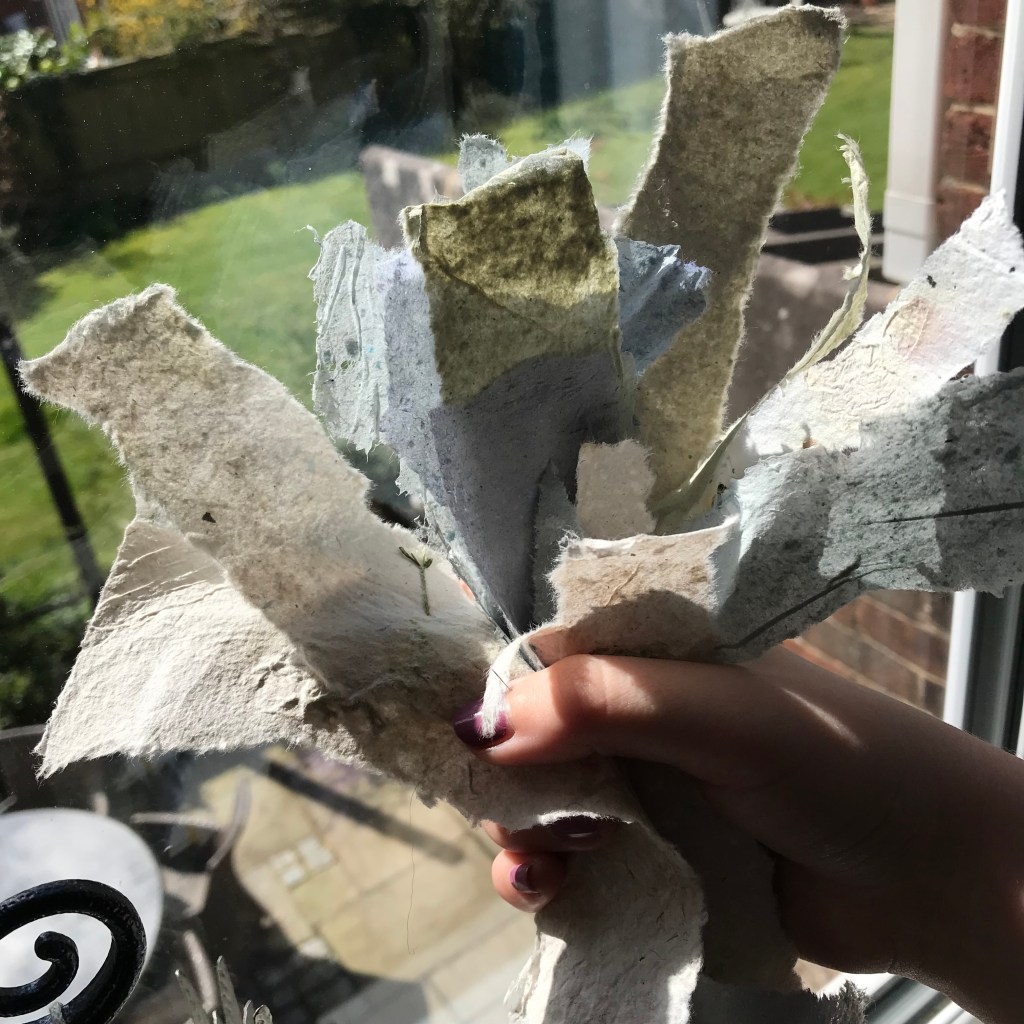
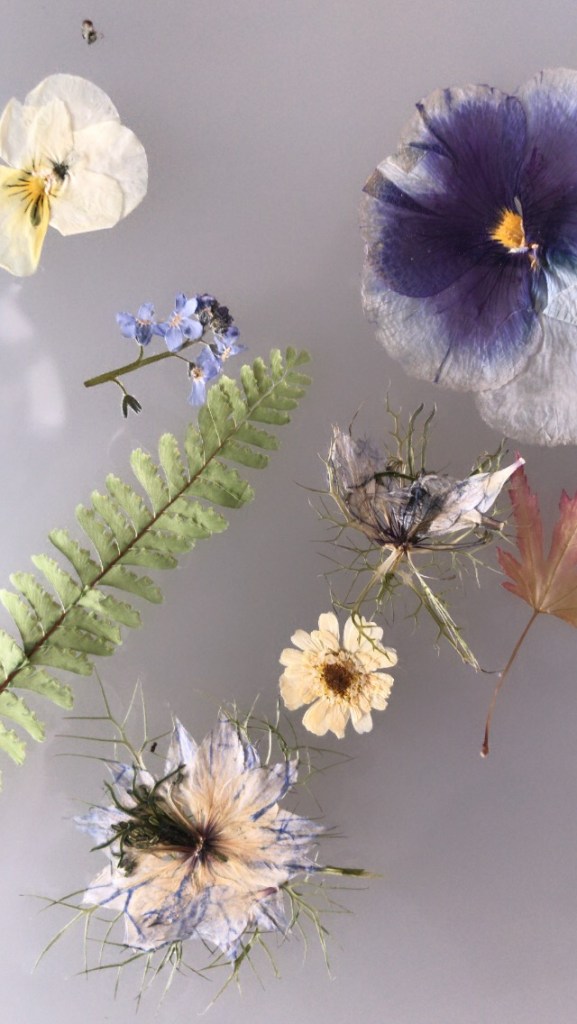
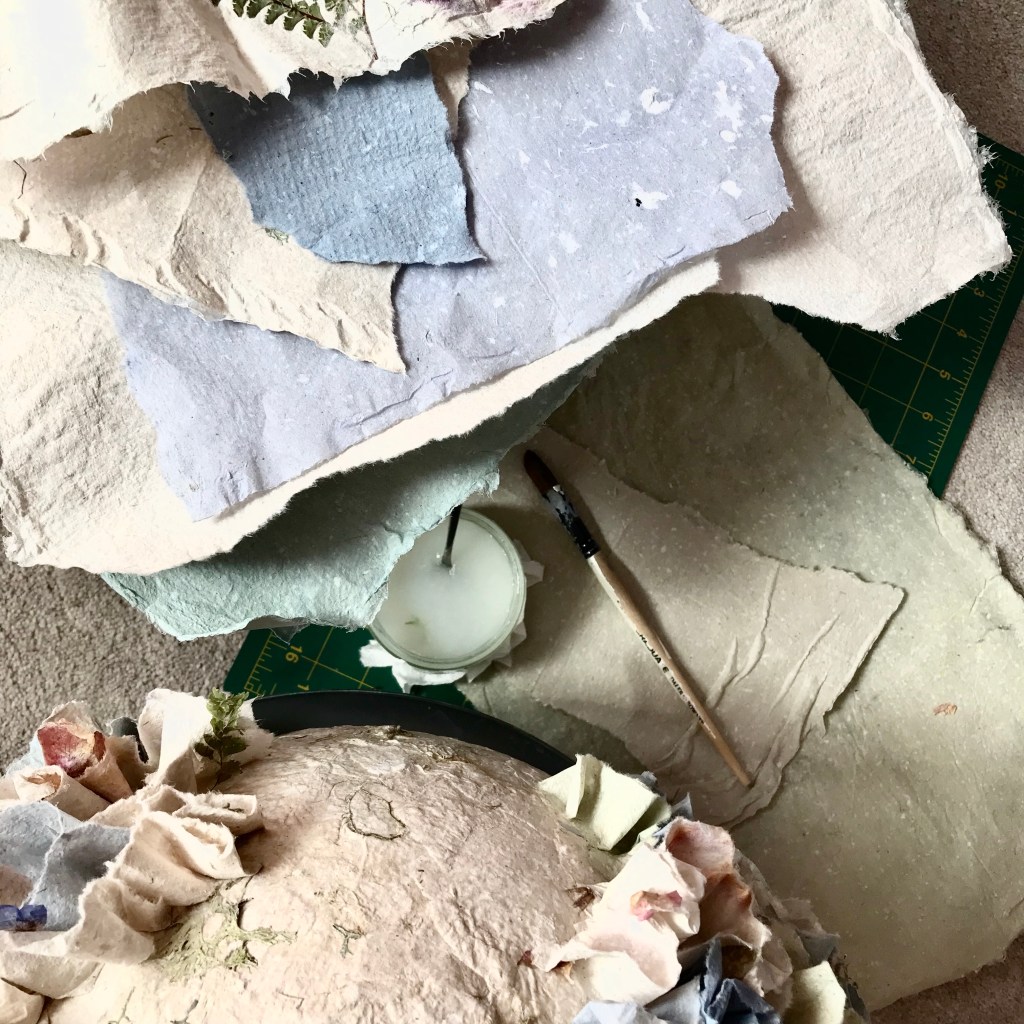
I did this by tearing my hand made sheets of all lengths and thicknesses. These were thin, much like the thickness for tissue paper, perhaps a little thicker, with a opaque quality. These were created using abaca fibre, recycled waste paper and natural pigments and natural dyes from the dried flowers bleeding. During the papermaking process I was conscious of using natural colours that I had seen present in nature, in the attempt to avoid making the forms look to gearish and artificial, rather more natural and remonisant of nature.

I applied the textural surface with cellulose glue to keep the forms 100% biodegradable and recyclable. I applied these using a paint brush and arranging the paper strips as I went. the cellulose glue allowed for the paper to become more flexible, much better than my previous experimentation with pva.

My inspiration for this paper making using abaca fibre came from Jocelyn Chateauvert and three dimensional form using handmade recycled paper came from Rebecca Hutchinson, who works with the inspiration form natural forms.
PRODUCTION: using biodegradable balloons for form

After much experimentation, I felt the best way for me to move Forward with this concept of organic spherical forms was to use biodegradable balloons to support the structures I was creating. As I have been studying from home this seemed like a logical way Forward. If I were at uni I would have probably explored making two part plaster moulds. Although I don’t know how effective this would when I apply the texture to the surface as the forms would collapse under saturation. Therefore the balloons serve as the most practical option to get a perfect sphere.

Whilst making these shells I wanted to retain a deckled and fragmented edge that you get when you make paper by hand, so by tearing the paper rather than cutting when I was paper macheing the form builds up in an organic way. As I wanted to avoid making something that was too perfect and man made looking.

The spherical forms were inspired by my research into Jamie North and the fragmented edges were inspired by Lisa Ommanneys forms with a fragmented edge. I was also inspired by the work of Jane Ponsford, where she works with the environment using collected material and working from site inspiration.

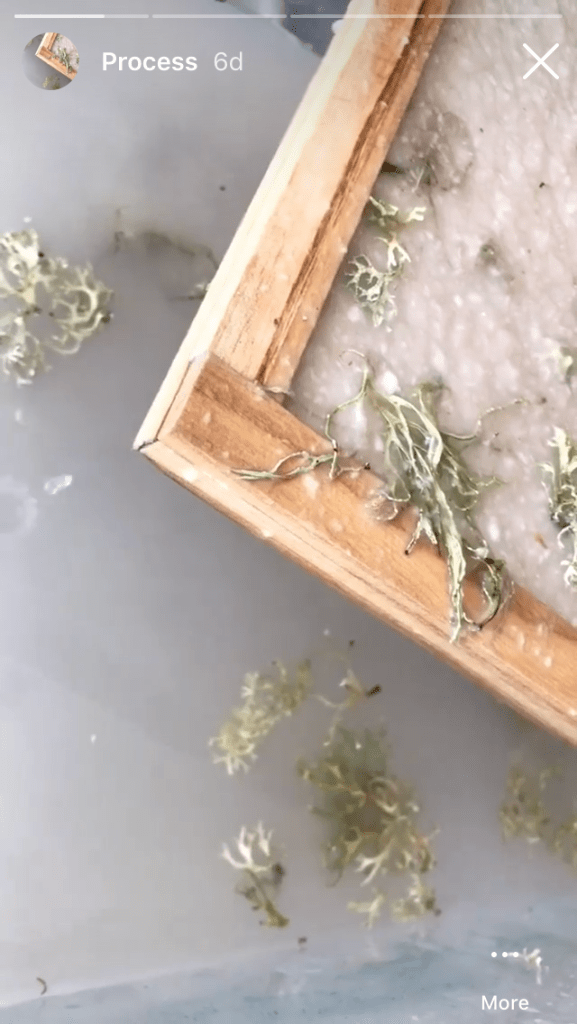
The paper I have been using to create these forms is recycled waste paper combined with abaca fibre paper. this, I had made with dried licken picked up from the New Forest floor and dried.

I have been making a collection of 5 spherical forms all ranging in sizes, I wanted these to have impact in an open space so I decided to make the up to the size of about 90 cm.

I have been using a home made cellulose glue from corn flour to paper mache making my forms capable of being recycled and biodegradable. This also gives the sculptures a much softer organic feel rather than hard and crunchy feel when I previously explored pva glue. This also allows the paper to be applied a lot more easily as the paper becomes saturated by the waterty cellulose.

2ND ARTIFACT EXPERIMENTATION: layering

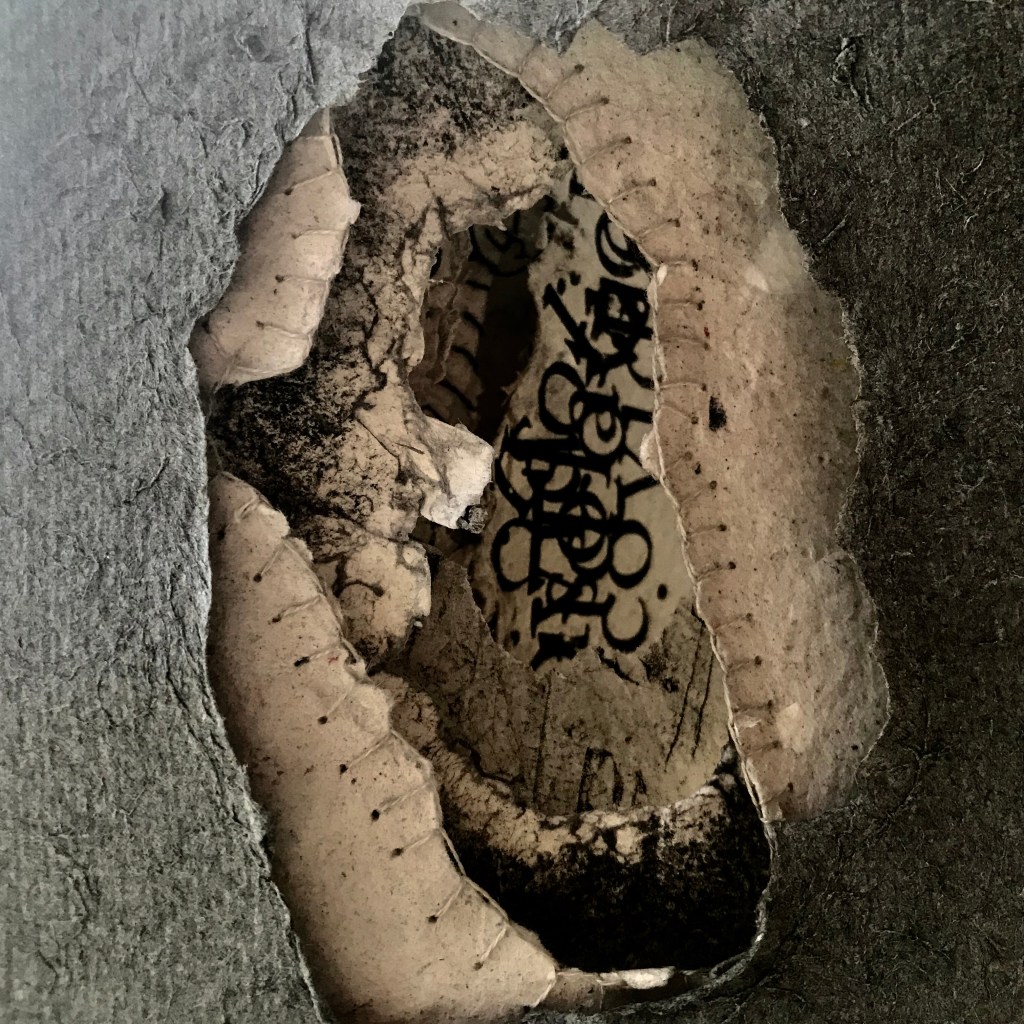
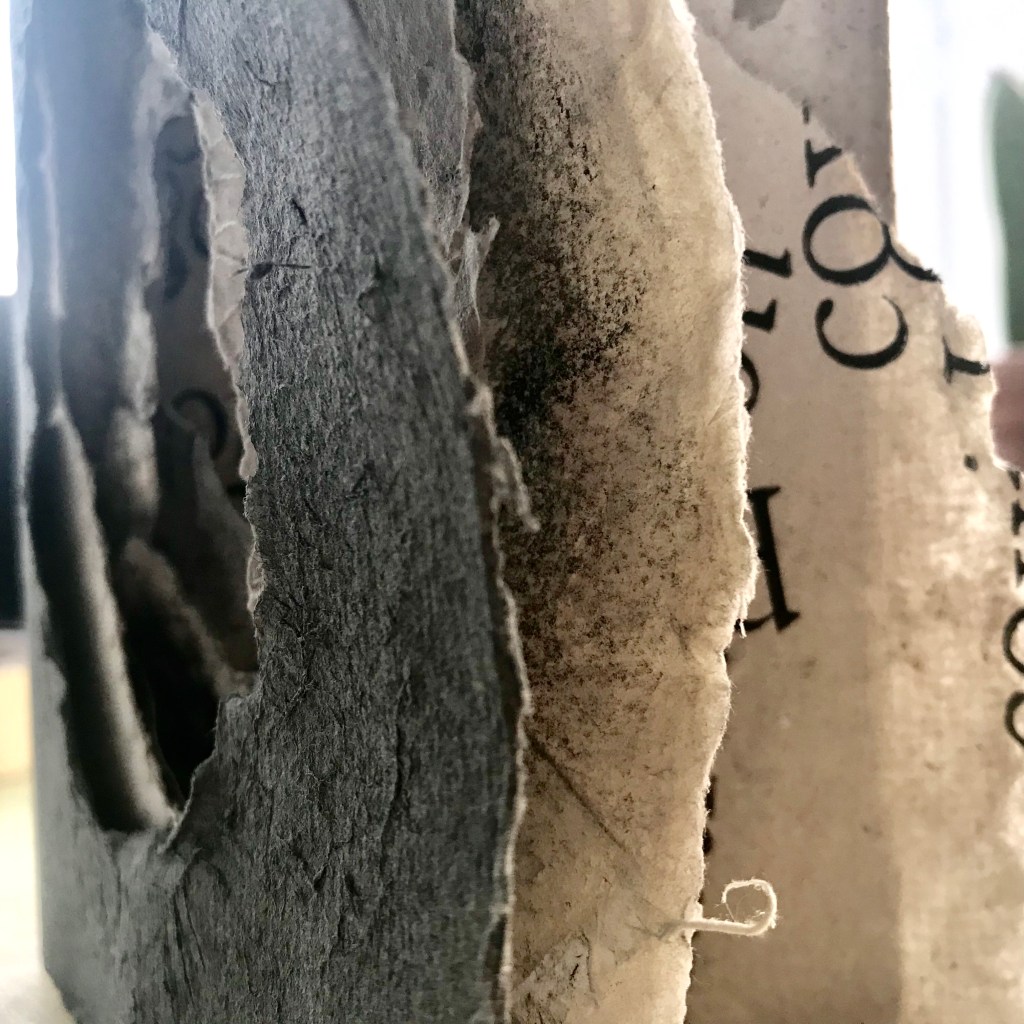
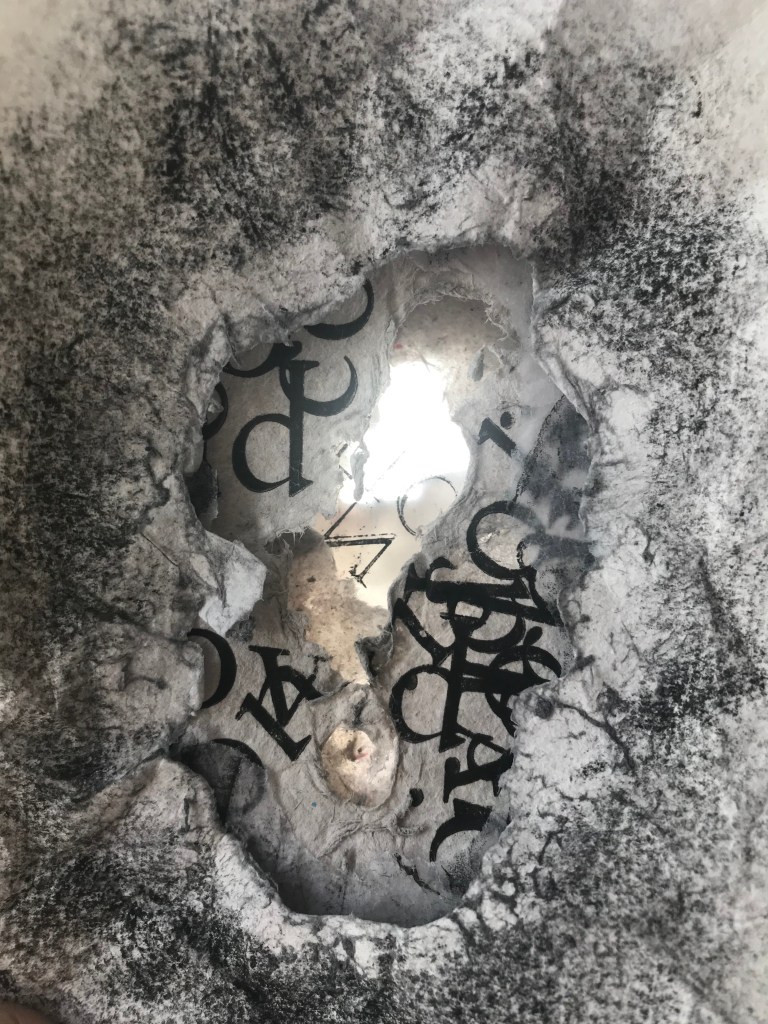
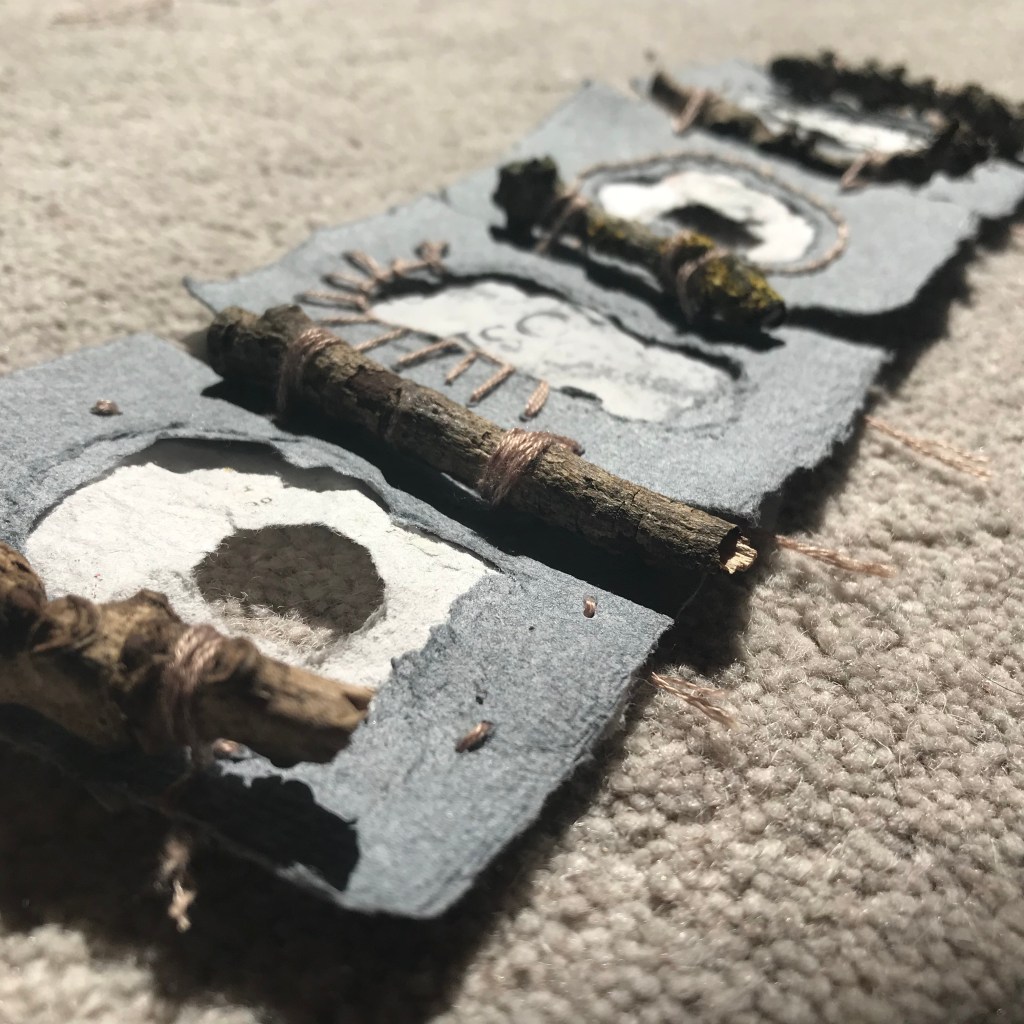
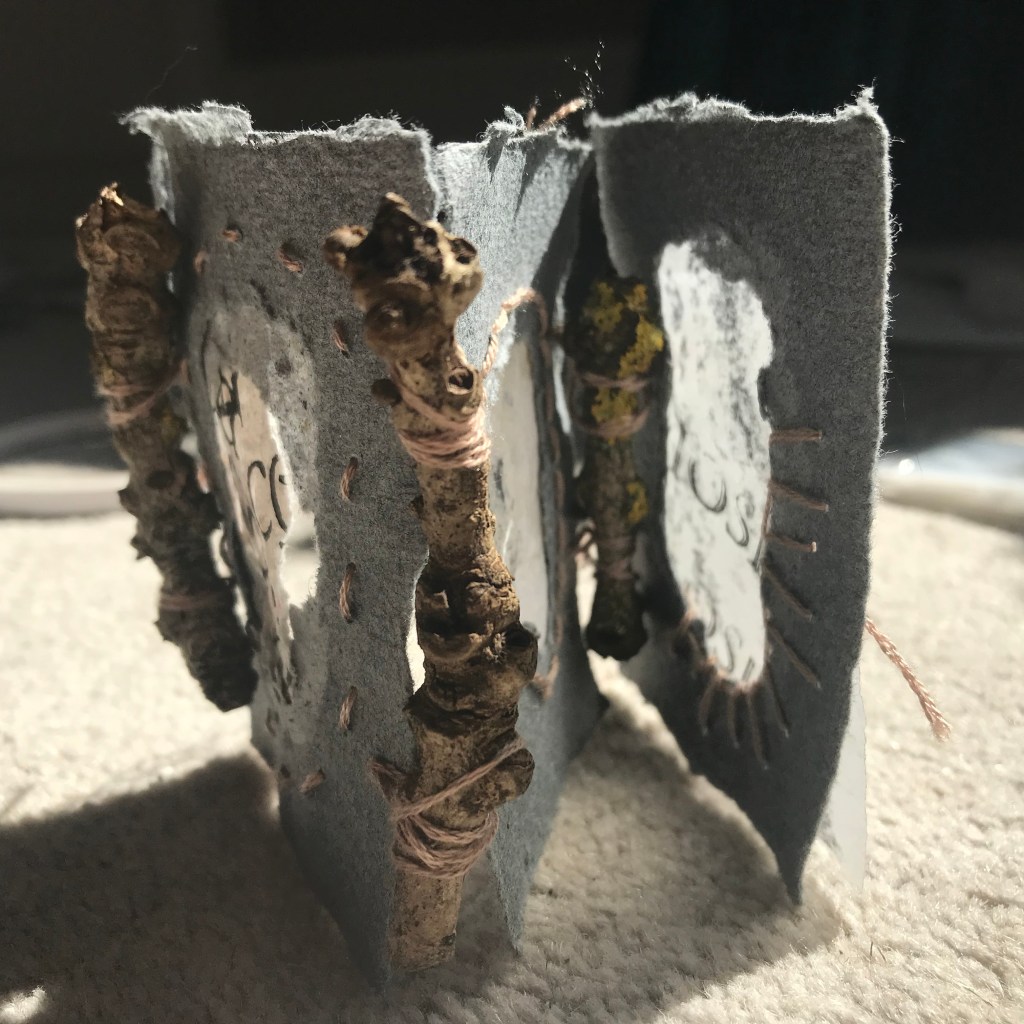
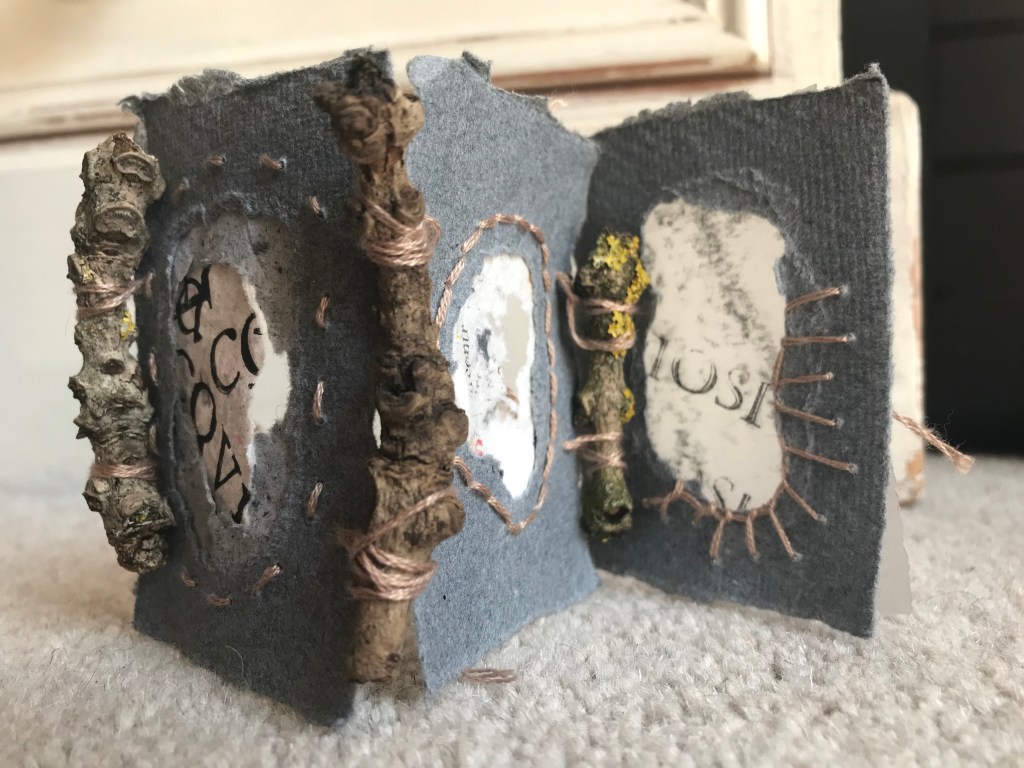
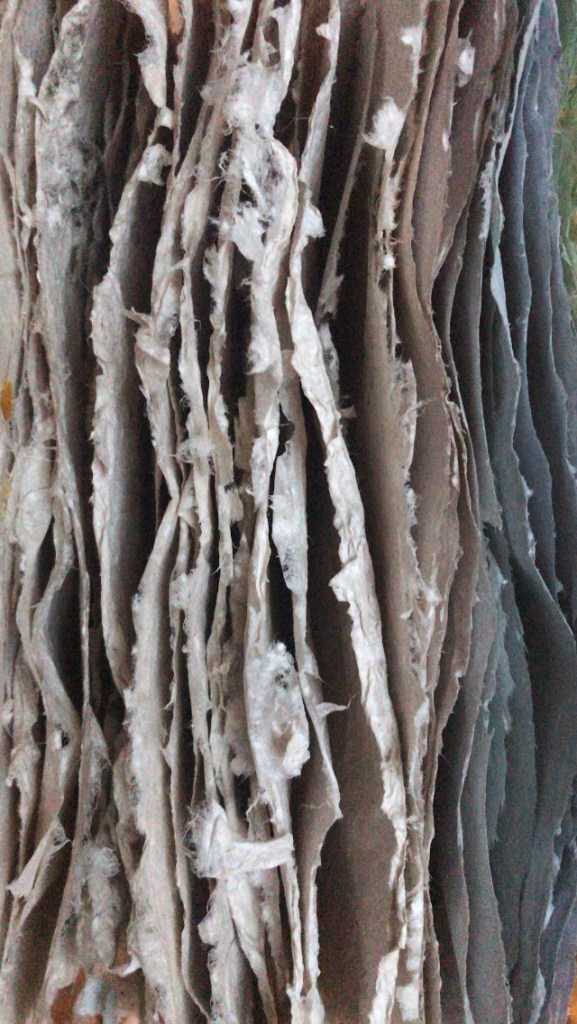
I wanted to explore ways of creating depth and a sense of loneliness through layering of handmade paper, letterpress and drypoint prints in order to explore the concept of loneliness using depth and the torn sheets to emphasise this feeling. Leaving little light to travel through the pages. This was also beneficial to work out my composition and organise the sheets into the orders that would have the most impact when the viewer came into contact with the book.

2ND ARTIFACT EXPERIMENTATION: structures

I wanted to experiment with alternative and more unusual book structures to explore the concept of loneliness. Although I found the first experiment was successful for creating the connection back to the lake (where i took inspiration) by using the sticks collected from the location, the ideas of loneliness don’t necessarily come through. The concertina creates a more three dimensional structure. I find this does not support the papers enough as the structure wanted to collapse and this would not necessarily protect the papers very well.

PRODUCTION: papermaking

This is the paper made for the final set of of forms that I am constructing using biodegradable large balloons, the paper I made using abaca fibre and recycled and collected used cartridge and watercolour paper and biodegradable cornstarch glue.

I enjoy the journey the paper has made from waste to form, repurposing a material that would otherwise be rendered useless.

For this paper I combined corn starch (for strength to bind the fibres together), Abaca fibre for strength and fibrous opaquity and recycled paper for roughness as the abaca fibre makes the paper soft. Adding natural pigments and found and collected dried flowers and lichen taken from the New Forest floor. The natural pigments from the flowers bleed into the Abaca paper during its drying process and the flowers release colours. I have chosen pigments that compliment the natural world, taking influence from photographs taken in the Forest of fauna and flora and landscape.

I have found an enjoyment in the rhythmic and lengthy process of my discipline and material choice. Paper allows for a repetition and rhythmic motion that imbeds itself within the paper, imprinting my mark on the material itself. Then creating forms from the paper the repetition of taring and attaching and reconstructing the paper into a three dimensional form. this has become an important process for my way of working.

ARTIST RESEARCH: Leslie Pearson

Zenfolio | Leslie Pearson | Handmade Books | "Bottled Up Emotions"
https://www.lesliekpearson.com/

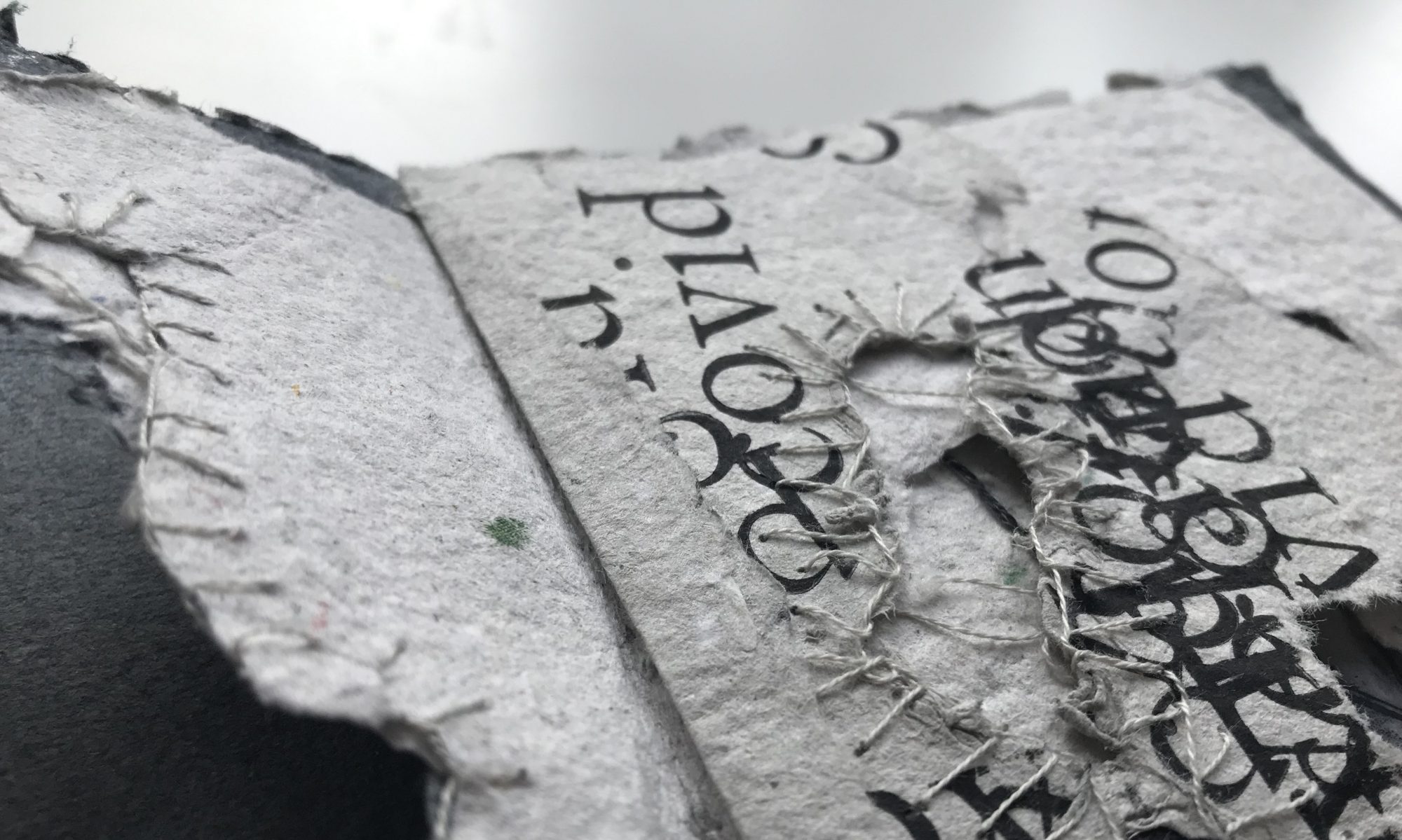
Leslie Pearson is a sculptural fibre artist who creates three dimensional forms and artist books. her Artist Book, Bottled Up Emotions looks to explore the intricate layers of emotion bottled and stacked within a container, concealing possibly creating a sense of the unknown or private. documenting a time, a feeling or a memory. Pearsons uses thread to stitch each page of the concertina together, developing a tactile hand made connection between the emotion. the use of paper creates a sensitive delicate forms that has fragmented edges and looks to be burnt or aged.

I enjoy how this artist has created an unconventional book, creating a content with sensitive meaning that is hidden from viewer unless it gets unbottled. This also acts as a way to protect the delicate layers of paper.

Pearsons work informed how I approached the fragile paper, and how to manipulate and work with , although my book is more of a conventional form, creating the stitch between the pages allows for the form to have a personal representation to me experience of loneliness. I wanted to create something with some rigidity and ordinary so the viewer could explore their way through the book, without being informed to do so. i also wanted to have a very obvious narrative. i wanted the viewer to be aware of the connection to covid 19.

2ND ARTIFACT RESEARCH: adult storytelling

I had found an interesting article online called Storytelling in learning: A tale as old as time https://www.cursim.com/blog/storytelling-learning-a-tale-as-old-as-time/. In the article they talk about the importance of storytelling as an adult. how a story that is told well can create empathy and emotional connections. this is the same with using visuals, which has long been used by humans to create understanding and document a time. visual communication can also enter the long term memory much easier than text.

through my work I wanted to create a visual for communication for the feeling of isolation and loneliness felt by many during the COVID 19 pandemic. How there are boundaries and things that are blocking us from touch or connections with other people. i had experienced isolation and loneliness through the pandemic myself and noticed when i went for daily exercise it was evident that elderly people who were walking alone and stayed away from people could be going through the same thing, furthermore people who were high risk are isolated further as they were recommended to stay at home, isolating themselves further from the world. I wanted the pages to be physical barriers created through the translucent and delicate layers of hand made paper representing the difficulties for many people who are experiencing loneliness. the torn holes in the paper create the purpose of enocragmento to touch for the viewer to make their own way through the book and decide what its importance/ sigificancei s for themselves.

Much like historical drawings found in caves and similar, they document a story or a time in history, I would like to think creating a book that explores the problem of loneliness through the pandemic can allow people to explore how it may have felt though artistic representation. I found a importance in using newspapers that were documenting the pandemic, not only for the material quality but the significance of all the information (possibly further isolating content within them).

REFLECTING ON FEEDBACK: bowl project and second artifact

After my feedback for the bowl and second artifact project, there is a couple of things I would like to develop, improve upon and strengthen to create a deeper understanding of my work and strengthen my contextual understanding and ultimately my predicted grade for those projects.

my feedback:

“You have made a considerable journey through this module, moving out of your comfort zone in the bowl project allowed you to return with greater clarity and confidence in working with the book form as art object in your second artefact. You demonstrated a sensitive use of material and process in both your artefacts while continuing to develop skills in papermaking, printing and book binding which have all been very well documented on your blog. Your blog also shows clear evaluation and critical thinking in relation to your outputs but also future direction. It is also good to see good evidence of contextual referencing from historical storytelling to contemporary book artists, be sure to synthesis this research into ideas for future work. There is great potential for you to continue exploring the book form and working through the theme of the senses may provide the ideal context for your material and process knowledge to be creatively expanded into a collection of books, which can become more ambitious in both the construction and deconstruction of the book. The biggest risk is being too conservative with the standard definitions between form and the content, especially form a sensorial perspective. As the work progresses it would be good to find opportunities within the book art world to apply for to gain an audience and some professional feedback”

From this feedback I am keen to revisit my projects and form a greater understanding of how the context and historical understanding has helped to inform my own work. furthermore explore other examples of this kind of modern day storytelling through artist form.

  • Creating greater understanding of the importance of storytelling, why I had chosen to explore the idea of isolation and COVID19 without text in a book structure.
  • finding conventional examples of storytelling books and more unconventional examples.
  • clarify/justify why I had chosen the type of book structure I have.
  • show wider experimentation into book structures.

Although I had not planned for the transition into a more material and process lead final project (plans changing because of lockdown and not having access to print of binding Equipment) I had used the process and material exploration developed through the bowl and second artifact projects to bring Forward into this final project. I had developed a great understanding, knowledge and material appreciation for paper making and paper mache, now I am able to control, create and manipulate paper to the way I need it.

PRODUCTION: wild woodland seeds

When I was considering the importance of creating something that is viable to be returned back to nature through being biodegradable. I didn’t want the forms to have a permanence. I enjoy the fact they can be biodegraded and recycled into something new. Although, I was interested in how my forms could leave a trace that was beneficial to nature. Giving something back. I combined wild woodland seeds into the paper making process, with the thinking that when the forms are deteriorate they release the seeds and they germinate forming new life from where the old sculpture stood.

SUSTAINABLE DESIGN: Pulp Station, circular model

http://pulp.thepulpstation.com

Pulp Station are a India based company who won the green product price 2021. They work with ecological, social and economics at the heart of their design, working with cultural and traditional methods creating employment for people in India. Pulp Station creates 100% biodegradable furniture and textiles using waste paper. Promoting responsible, biodegradable and sustainable designing and material use at a macro level, as well as awareness through workshops. Developing an alternative mainstream material into design, promoting and creating awareness for traditional paper mache craft.

http://pulp.thepulpstation.com/instagram

Pulp Station works by using a circular model for their design within paper fabrics and furniture. the process allows for the products to be biodegradable and repurposed and recycled into a new material. This allows for a positive circular model that makes use of a material that would ordinarily have little purpose once disposed. This process also limits the amount of new production and environmental damage making this circular model an extremely effective and sustainable alternative.

In reflection looking into Pulp Station my work has many of the same and similar values. My sculpture forms are also produced using 100% recycled and sustainable materials, making them biodegradable and non harmful. which can also be recycled, biodegraded and reproduced. My paper and forms could also be adhered to a circular model of my own demonstrating the use and production that allows for the sculptures to be created within a circular model. i think this will be an advantageous way to demonstrate the key values that sit within my design and its sustainable, biodegradable and recyclable functions.

Design a site like this with WordPress.com
Get started