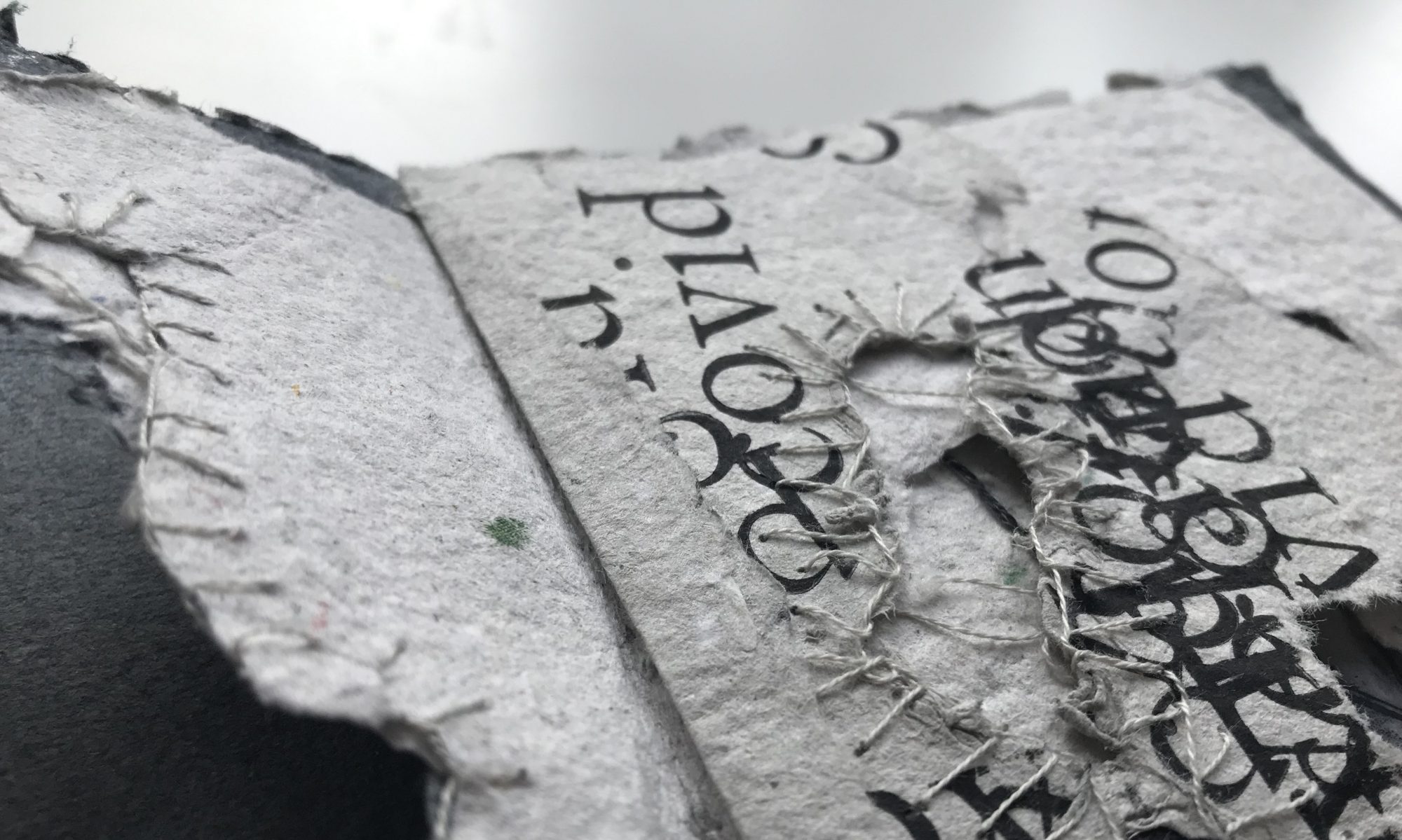
LOCUS PROJECT: CREATING CERAMICS THAT SIT WITHIN THE PLASTER FORMS

I wanted to bring texture back into these forms, I have thought of a couple of ways of bringing these back into the the forms I am creating bearing in mind I want to continue on the sensory theme, encouraging touch within the sculptures.

IMG_6777

I am interested in both the material properties of clay and plaster, both can be manipulated and controlled in different ways and I feel the contrast and  in these properties works well when combined and sat together, As well as the juxtaposition of the smooth and textured

IMG_6783.JPG

This was in my initial ideas at the start of the locus project as the project progressed and my experimentation using plaster started the focus on the textural aspects drifted away as I was focused on gaining the forms with plaster.

Creating these little clay forms that sit within the plaster crevices my focus was on creating textural sensory forms that encourage or intrigue touch.
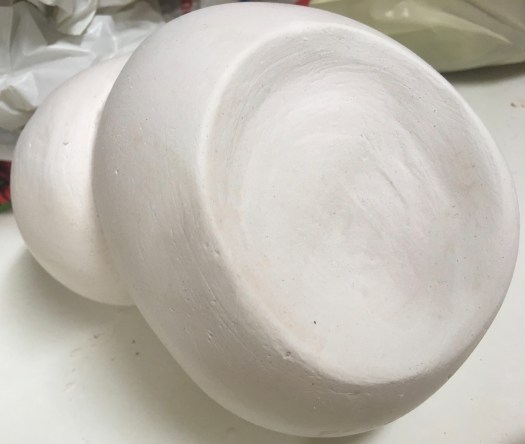
 

LOCUS PROJECT: DISTORTION BALLOON EXPEREMENT

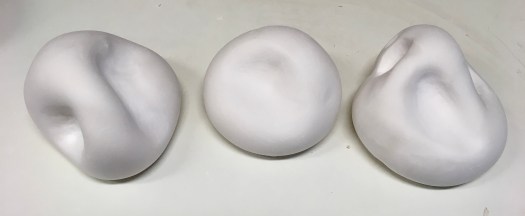
Moving on from the previous plaster experimentation I have identified this is the best method for me to construct these forms. From the previous experimentation I enjoyed the distortion created by the forcing the plaster outward and the smooth rounded surface created by the balloons

Moving Forward I wanted to push this distortion further so I used string as a way of forcing the plaster by squeezing it, this was fairly successful although challenging to create the distortions before the plaster set. I wanted to continue to create the smooth texture as well as the crevices created previously by my hands.

fullsizeoutput_125

I used craving tools to create the crevices in these forms, I enjoy the effect of this as they compliment the curves in the forms.

My next step, moving Forward is to challenge this further by continuing to distort the forms and use carving techniques to hollow out parts of the form. Also I want to make these forms more polished to improve the smooth qualities, to do so I think it would be good for me to talk to Caroline to gauge the potential my plaster forms have and to experiment with ways I can buff and smooth the surface, perhaps by using bees wax or clear boot polish.

LOCUS PROJECT: EXPLORING TEXTURES WITHIN THE PLASTER FORM

In response to my initial research into Jamie North I wanted to explore ways of obtaining texture within the form by using carving techniques, this I did through casting a plaster form using the method I have discovered and distorting it through forcing and pressure. then carving into the surface using hand carving tools.

img_7007.jpg

I wanted to do this to explore the juxtaposition of smooth and textured all within one form rather than having multiple forms and multiple materials. although I like this form I found  the lack of control over the plaster once dried was challenging causing it to crack and chip.

LOCUS PROJECT: MICHAEL KUKLA

Michael Kukla, Insula and Way, Shape or Form, Installation view at Tenri Gallery, New York, NY, April, 2013

Michael Kukla, Way, Shape or Form, 2013, Insulation board, wall plaster and paint, 12 x 12 inches (30.5 x 30.5 x 10 cm) eachway,shape or formMkukla.com. (2019). Michael Kukla. [online] Available at: http://mkukla.com/about.html [Accessed 17 Mar. 2019].

Kukla’s work explores the connections between “a sculpture become something dynamic – can it achieve a fluidity of shape, form, structure?”, this interest is featured heavily within his forms. using plaster Kukla carves the forms from plaster to create these “encouraging Encounters that are more sensory and physical”. the idea of sensory interests me as with my experimentation the forms seem to explore A sensory interactive aspect similar to that of Kukla, I want to explore this further by experimenting with carving to explore how I can incorporate feel into these obscure contemporary sculptures.

LOCUS PROJECT: BALLOON EXPEREMENT

Using balloons, bottles and plaster, I undertook this experiment to explore plaster forms as a sensory object that aims to understand shape and the way it encourages interaction. I have been told by peers that these smooth distorted balloon forms have encouraged interaction, this is good. My main aim for these forms was for me to make a smooth form with distorted indent sections, I feel I have this experiment was a success as the forms gain the smooth shape from being cast in the plaster as well as the distortion created by obscuring the shape during the drying process.

I found whilst experimenting that the plaster dries extremely quickly limiting the amount I can do to the form. with these I had to carve into the crevices in order to smooth the entire form out. I am interested in using carving as a technique moving Forward as a way of creating texture and pattern within the forms.

IMG_6743.JPG

Moving Forward I am interested in how I can distort the forms even more during the drying process to gain more interesting shape. To do this I am going to use balloons and tights as a way of creating friction in order to tie the string around the forms to bulge the shapes. I have found these forms take a long time to dry, moving Forward I will also use the drying cupboard as this will speed this process up more.

fullsizeoutput_122

LOCUS PROJECT: ZOE PREECE

Looking into the work by Zoe Preece inspires me because “As an artist Zoe is drawn to thresholds and to in between spaces”.

An archive of longings (Material Presence), porcelain, flux, 2018

Zoepreece.com. (2019). About | Zoe Preece. [online] Available at: http://zoepreece.com/about/ [Accessed 14 Mar. 2019].

This understanding about space between and within a form interests me and I find is something that relates pretty heavily with my work, this understanding about space can also influence sensory aesthetics within her work.

From this work I want to focus on ways I can enhance the feeling of negative space SO moving Forward I am going to look at how forms can work in multiples and explore this tension created by space.

LOCUS PROJECT: GROUP CRIT

This meeting gave me a chance to reflect on my own work and see the development of others projects.

I wanted to discuss the themes behind my experimentation as I want to push these ideas further or in other directions.

It was advised to me by Pip to look at Craft in The Bay, Makers Guild Wales and Collect as inspiration. She also said my work reminded her of sensory sculptures that could be interactive, This I want to explore further by introducing textures to my newly identified method to create these forms.

LOCUS PROJECT: TEXTURE RESEARCH

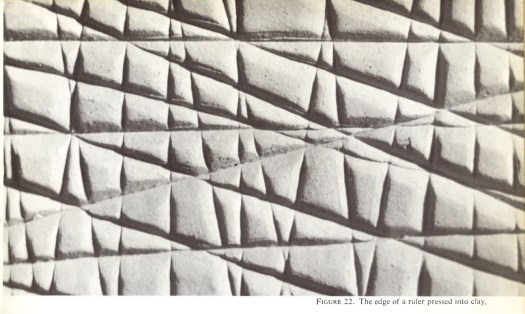
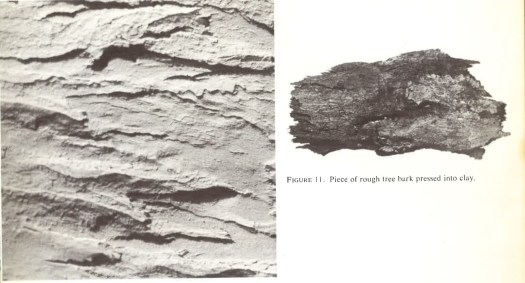
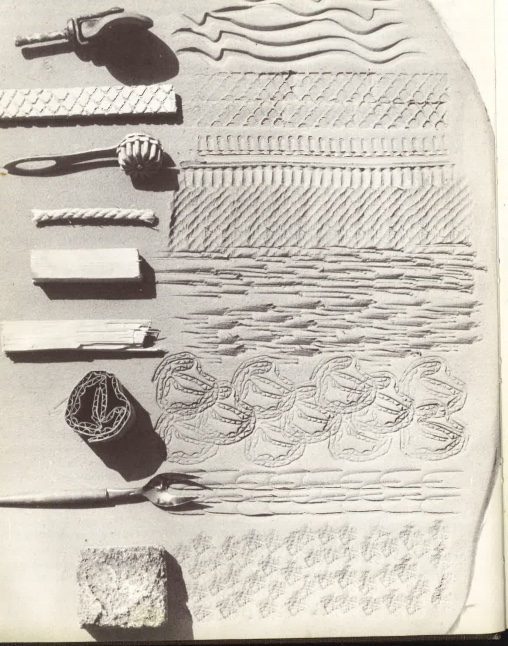
fullsizeoutput_120fullsizeoutput_121fullsizeoutput_11f

Learn.cardiffmet.ac.uk. (2019). Cardiff Metropolitan University. [online] Available at: https://learn.cardiffmet.ac.uk/pluginfile.php/760762/mod_resource/content/1/texturing%20clay.pdf [Accessed 6 Mar. 2019].

Using a PDF from the previous facture module, I have looked into ways of texturising clay, this is an important aspect of my work and I wish to explore these textures through both combining the textures into the materials and using found objects to create the textures. looking at this document has inspired me to create textures by using objects. I am going to undertake a texture experiment using tiles so I can explore the most successful way to obtain texture.

I found the types of textures and patterns created by objects in these photos interesting as I wouldn’t expect these to be created using the objects.

LOCUS PROJECT: BALLOON EXPERIMENTS

I want to start exploring ways in which I can create these distorted forms using plaster and balloons in order to create these forms, I want to undertake this experiment to allow me to explore successful methods that are reliable in order to repeat to create multiples.

These are how I ideally imagine the forms will turn out.

IMG_6722

This method involves using a bottle filled with liquid plaster and transferring it to a inflated balloon to fill the empty space created by the transfer of air between the two forms. if this is successful the forms should hold the smooth shape of the ballon and also allow me to manipulate the form.

DOING THIS EXPERIMENT:

I found great success with this and I feel confident I can continue to use this method to explore the distortion further and see how far I can push it before they break.

when i do this experiment again I want to be more prepared as the plaster set very fast limiting the amount of distortion I could create, to avoid this I will add more liquid to the plaster so there is a longer setting time so therefore more manipulation time, using string and bulging the forms outward.

LOCUS PROJECT: ARTIST INSPIRATION

Dame Barbara Hepworth, Image II 1960Tate. (2019). ‘Image II’, Dame Barbara Hepworth, 1960 | Tate. [online] Available at: https://www.tate.org.uk/art/artworks/hepworth-image-ii-t00958 [Accessed 25 Feb. 2019].

Hepworth’s work inspires me because of the material manipulation, I enjoy the smooth qualities of the form, although for my project I want to primarily focus on texture the form is also an important aspect to my practice, further inspiring me to create forms using man manipulated materials and form them into obscured smooth flowing forms.

Design a site like this with WordPress.com
Get started