ZINE: process book

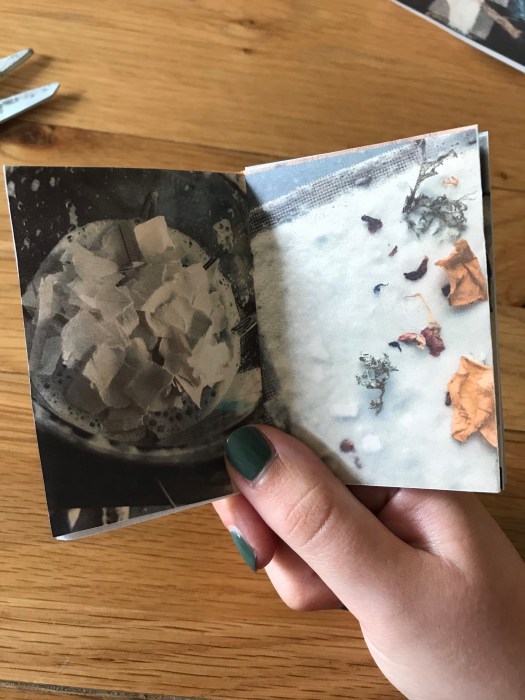
I wanted to use this zine to uncover the process of making a book to the viewer, by just using imagery I wanted to show the basic stages of the bookbinding process.

IMG_2636

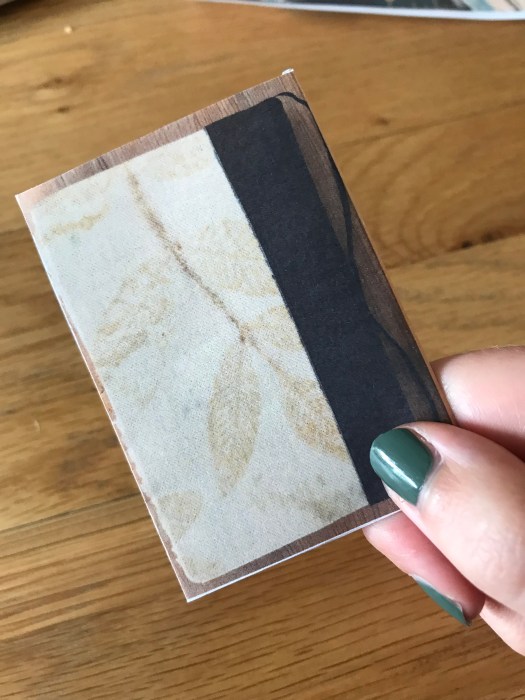
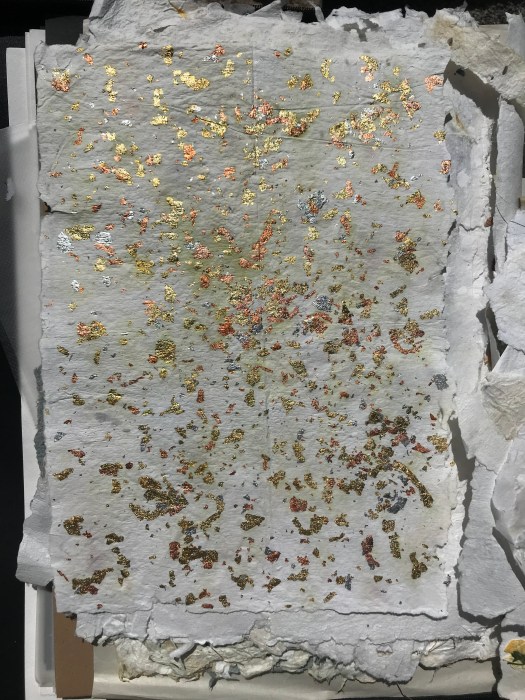
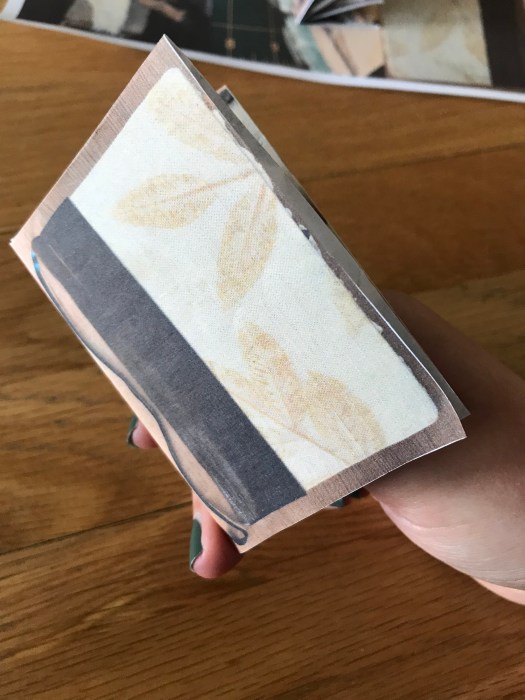
Front cover: This is one of the eco prints that I have covered a handmade book with, a blue ribbon and a brown leather spine.

IMG_2637

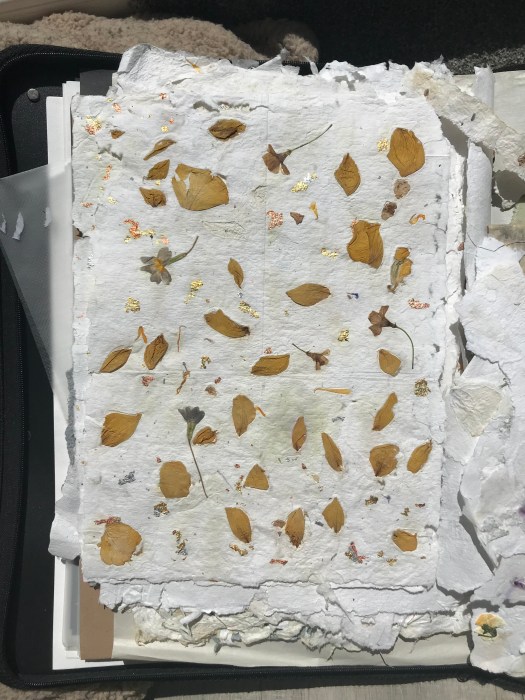
Page 1 and 2: the start of the paper making process blending and forming the handmade sheets, using pressed flowers.

IMG_2638

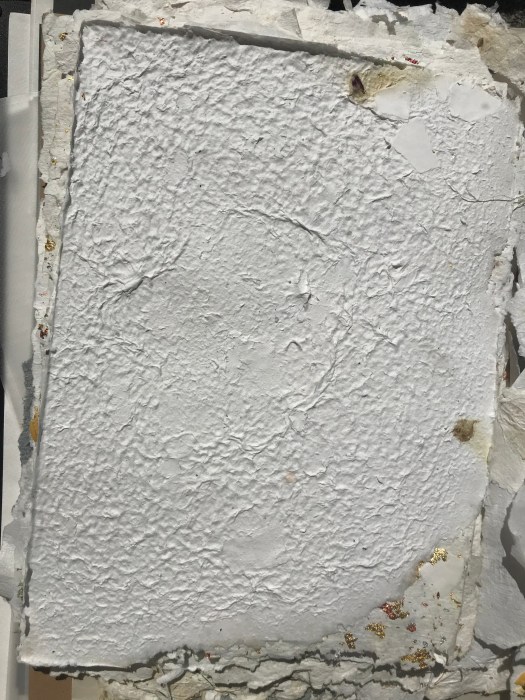
Page 3 and 4: The pressing of the paper and a sheet of handmade paper including dried pressed flowers that are used to make the end papers.

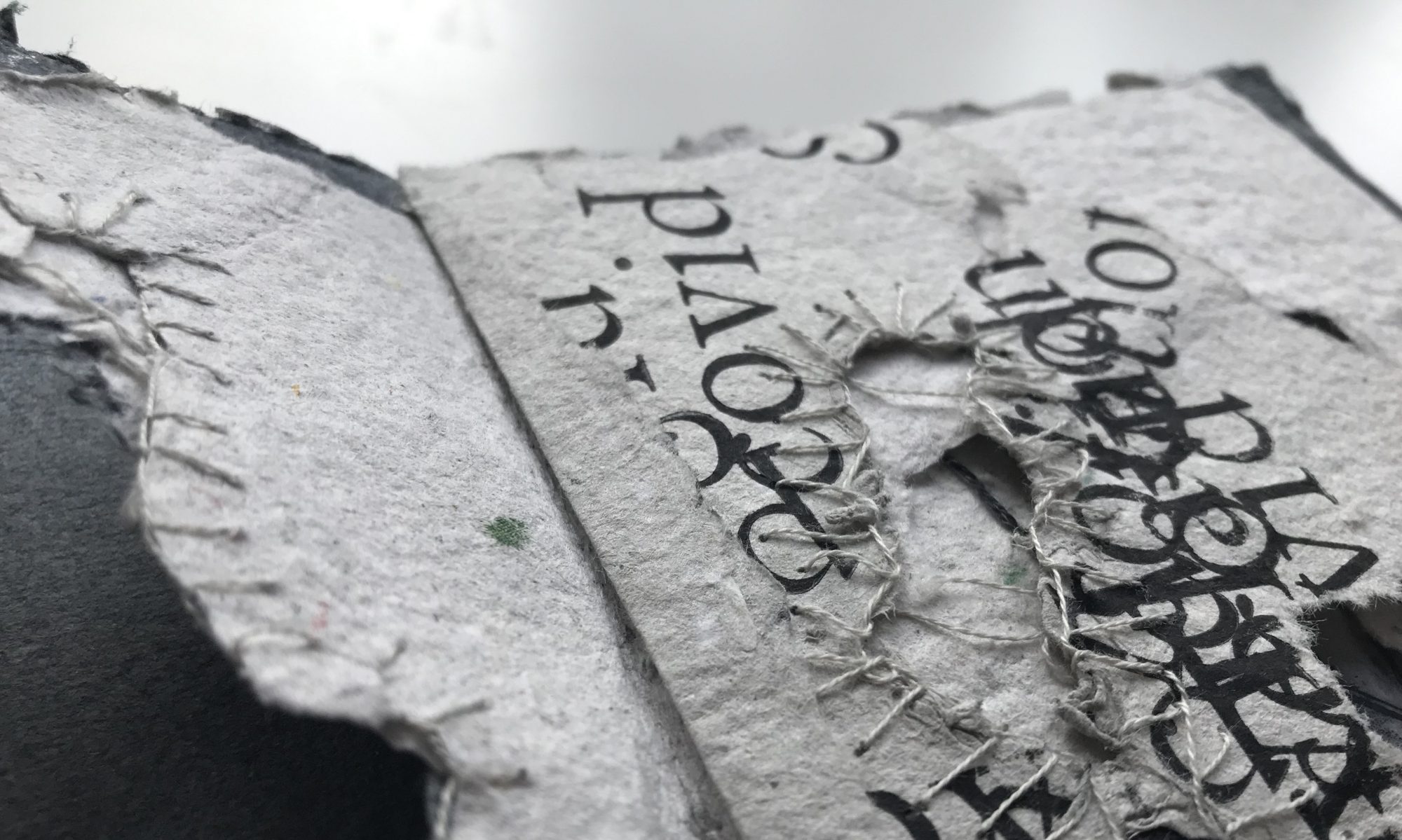
IMG_2639pages 5 and 6: This is part of the binding process, the head bands and scrim used to decorate and reinforce the spine. As Well as the greybeard cover with an eco print.

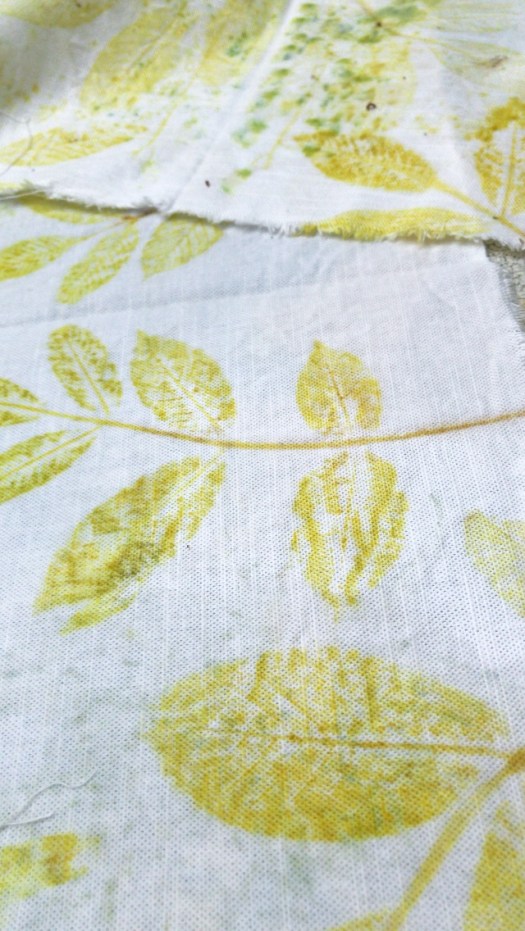
IMG_2640Back Cover: showing the reverse of the eco print book. made using walnut leaves steamed between an iron.

ZINE: mock up on photoshop

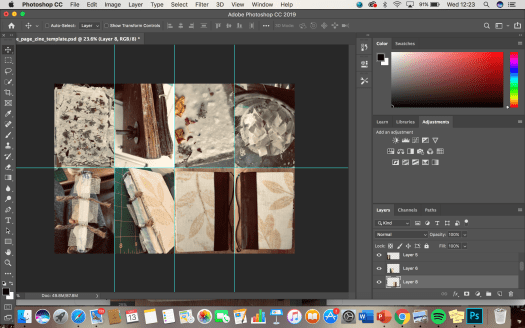
I found a Photoshop Zine template online and followed the template and pasting my images in the corresponding places. I wanted this zine to relay the process of making the books. So that the from tand back cover look line the book and the internal images are the process.

I found this website extremely helpful and suggests all different ways to make Zines and has PDF and Photoshop links to edit your images into the files.

website for Zine templates

Screen Shot 2020-05-13 at 12.23.11

ZINES: making templates

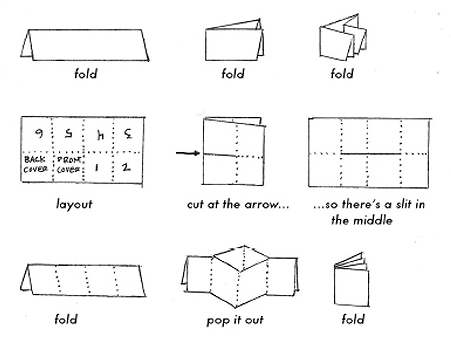
8- or 16-Page Zine Template for Legal-Size Paper by linda c

Found here

This is the diagram I followed to make the zines, I started by using an A4 paper and halved it every time I made one. I wanted to see how small I could make.

I am keen on exploring this template on Photoshop and editing my images onto it. I want to use this as a tool of showing how a traditional book is made. many people are unaware of the traditional craft and it would be powerful to shine light on the technique so people appreciate the process more.


ZINE AND ARTIST BOOK: research and ideas

According to the V&A museum artist books maintain a traditional structure of a book, they are usually limited addition or one offs. some often take up contemporary forms and are usually created by the artist themselves.

This form of book was thought to originate from 20th Century France know as livre d’artiste. This is where artist books were printed from a direct resource from the artist, rather than a piece taken from the artist and modified later on.

This is an example of an original artist book by Genevieve Seille, the interesting thing about this is it has pop up sections and looks as if the sides of the book pull out.

'Map ed Veveiis', artist's book, by Genevieve Seille, 1990. Pressmark X920025

Vam.ac.uk. 2020. Artists’ Books – Victoria And Albert Museum. [online] Available at: <http://www.vam.ac.uk/content/articles/a/books-artists/&gt; [Accessed 13 May 2020].

Zines can be pamphlets, information booklets, image books and can take up a variety of forms. there is not set rule they could be pop up, a fold out poster ect. It’s exciting to think of the possibilities.

I am quite interested in making a artist book/zine that shows the process of making a book. or a material book to show my experimentation with fabric and paper. it could be interesting to experiment with scale, I could make a mini book that sits alongside my end collection. I kind of think if it was a miniature book it would be unusual more precious. also creating a hands on book means that people can really feel the structures and the quality of the papers. giving people something to explore rather than not enables people to explore my work using their senses and can connect and engage with my project more.Moving Forward I am going to experiment with the templates of both and have a look at examples.


PAPER MAKING: using my own pressed flowers

I made this paper using the makeshift Equipment I have to hand at home. I was a bit stupid and didn’t photograph any of this process. I first blended the cartridge paper, water and pva to form a pulp. I formed using a mould and deckle squashed it between my handmade press and hung the sheets to dry on the washing line.

I am pleased with how these turned out. the pressed flowers when laid into the sheet embedded into the paper when they were pressed. creating a very pretty paper with flowers means each sheet is unique and can be changed to suit a colour scheme.

Using gold leaf, an assortment of dried flowers, dried lichen and dried flower petals.

MOVING FORWARD

These will be used to make the end papers for my books. I want to come up with a way of making the papers less fragile so I could use them to create hard and soft covers for the books. This is to make the petals more permanent as they are so brittle that they would fall of the paper. I have been thinking of ways in which to do this. A. Company’s dip their paper into gelatin to make them more water proof. I could do this. B. I could laminate the flowers whilst making the paper by forming thin sheets and setting the petals between then ( although this would make the petals more muffled and the paper thicker causing less definition on the flowers). And C. Using wax or acrylic varnish to prime the surface making it more permanent and durable.

IMG_2619IMG_2620IMG_2621IMG_2622IMG_2623IMG_2624IMG_2625

NATURAL DYING AND ECO PRINTING: take 2

I experimented with two types of printing methods, one following the same steps as my last attempt but with the addition of alum powder. This was something I was missing in my last attempt. apparently it draws the colours and the tannin from the leaves.

And the second something I thought of when doing the first experiment , I thought I could achieve a similar result if I pressed leaves between alum soaked fabric with an iron and the steam would force the tannin out of the leaves.

This was from the steaming method,

I got fairly impatient with this, I got excited and saw the bright colours that developed in the steam and took it of the heat too soon so the patterns left from the leaves are fairly faint. if I were to do this again I would let it steam for a couple of hours.

This was the ironing method,

BACC159A-24FB-4F07-8697-77880407E554

I was extremely happy with these prints, I got a very accurate print of the walnut leaves. the only issue I found was the other leaves I had picked didn’t translate very well onto the fabric and some areas were fairly dull or empty. if I were to do this again I would want to research plants that contain tannin so that the prints can be as vivid as the walnut leaves.

ENDBOARDS: making the hardbacks for my books

Using grey board, I hand cut the board to just smaller than the book block to allow the leather spine. punching holes through the board with an awl i then threaded the cord through the holes and used a trick I found whilst watching Moneeza from lotusblubookart.com ( I have enjoyed learning from the resources I have found, although I have made mistakes and haven’t done things perfectly it is nice to learn from a professional binder and learn whilst I watch her work as she documents a lot of it on instagram.) she thins out the cord by scraping the excess to make it easier to thread and glue flatter.

I rounded the edges using sand paper and smoothed the board, this took a while but think it is well worth doing as it makes the cover go on smoother. Although this is quite a lengthy process i have enjoyed taking time and care over each stage of the book and having this enjoyment has made me more committed to putting the time in.

This is now ready to cover.

HIDDEN MESSAGES: research into spines of books

Medieval Binding@jasondaley608, F., 2020. X-Rays Reveal “Hidden Library” On The Spines Of Early Books. [online] Smithsonian Magazine. Available at: <https://www.smithsonianmag.com/smart-news/x-rays-reveal-hidden-library-spines-early-books-180959317/&gt; [Accessed 11 May 2020].

According to Smithsonian magazine early books used manuscripts from medieval times to line the spines of the books. so that researchers could uncover the fragments of the medieval script without damaging them they X Rayed the books to uncover the test on the spine.

“Erik Kwakkel, a book historian at Leiden University in the Netherlands tells Alberge that one in five early modern books contain the fragments. “It’s really like a treasure trove,” he tells Alberge. “It’s extremely exciting.”

@jasondaley608, F., 2020. X-Rays Reveal “Hidden Library” On The Spines Of Early Books. [online] Smithsonian Magazine. Available at: <https://www.smithsonianmag.com/smart-news/x-rays-reveal-hidden-library-spines-early-books-180959317/&gt; [Accessed 11 May 2020].

similarly this technique is done with paintings to uncover the early sketches and changes to the painting. i remember this being used in the tv series Fake or Fortune? the images revealed the metals fragments; cooper, iron and zinc used in medieval ink.

The discoveries revealed 12th century manuscripts from early English and Dutch text.

This made me think of ways in which I can celebrate the spine of the book, it seems a bit of a shame that I am making these books in a fairly labour intensive loving way. The rest of the book is decorative yet the spines are plain and covered. I feel it may be nice to make the most of the spine and decorate it even write messages for the next owner of the book.

END PAPERS: experimenting with using my own papers.

These papers are folded and glued to the front pages and the back pages. I was apprehensive if this would work and if my papers would be an effective materials to line the inner pages of my book. traditionally end papers would be marbled or a decorative paper would have been used. I was keen to have a go with papers I had made whilst at uni, they have petals and lichen inlayed in them.

These were extremely fragile and the nature of them meant that bits fall of and there are holey bits bit I feel this adds to the charm and I am not worried about these being perfect. I wanted to age these books slightly so I used tea to stain the edges, traditionally these would be gilded with gold that is brushed on while the book is held in a press.

HANDMADE PAPER BOOKBLOCK: multi signature

previously during a book binding workshop I used manufactured cartridge paper. as this project grew I was keen to use my own hand made paper for this stage of the book binding process. as i had to move home from uni I have basic facilities in order to make the hand made paper ( basically i had to make do with what I have: a handmade press, a cheap mould and deckle and no roller) therefore after speaking to Pip I decided to purchase  handmade paper so I could start making the handmade paper books.  ideally i would have wanted to make these books using my own hand made paper but given the situation i have been struggling to get the consistency in the paper to make about 20-40 sheets so for the sake of practicing the binding technique thought it would be better to purchase it of Khadi.com recommended by the artist I contacted.

Using the khadi paper and Tom’s step by step pdf, I followed his instructions as well as other sources I found online to basically self teach my way through making a book. although I have previously made signature hand bound books I have always done it with cartridge paper and guidance form a tutor so was very nervous to do this.

This was the step by step stages of the 5 signature book making process using 150 gsm handmade Khadi paper.

I used:
needle
bookbinding waxed thread
10 A5 sheets of handmade white Khadi paper
bookbinding glue
scrim
awl
ruler

I also wanted to make a more slightly more advanced book that would have been traditionally made on a bookbinding sewing frame, using cord.

Bookbinding.co.uk. 2020. Tradition. [online] Available at: <http://www.bookbinding.co.uk/tradition.htm&gt; [Accessed 11 May 2020].

as I don’t have a frame to use I found a way of doing it by hand and adding head bands using a tutorial on YouTube.

I found the head bands particularly fiddly and confusing when following a step by step image tutorial so I found someone who videoed the process and uses an easier method that glues the cord in place with tissue paper making it much less fiddly. Headbands are made using cord and silk threads as a decorative way to strengthen the ends of the book.

The spines I then glued with scrim and applied some scraps of hand made paper to strengthen the spine, traditionally the makers would write hidden messages in the spines of their books. I will talk about this in another post.

I actually find these books as they are now rather beautiful, Its a little bit of a shame this is covered in the final process. it is quite nice to make these hidden bits decorative although they will not be seen.

Although this process did take a bit of getting used to and more patience and focus, with the added fragile nature of hand made paper that has a tendency to tare. I enjoyed this process and as a result of practicing I can now continue using this handmade paper as I found it fairly reliable.

Moving Forward I am going to make a couple of books with more multi signature sections in and going to decorate the end papers, these would traditionally be marbled or a decorative patterned paper but i am keen to experiment with using my own decorative pressed flower paper.
Design a site like this with WordPress.com
Get started