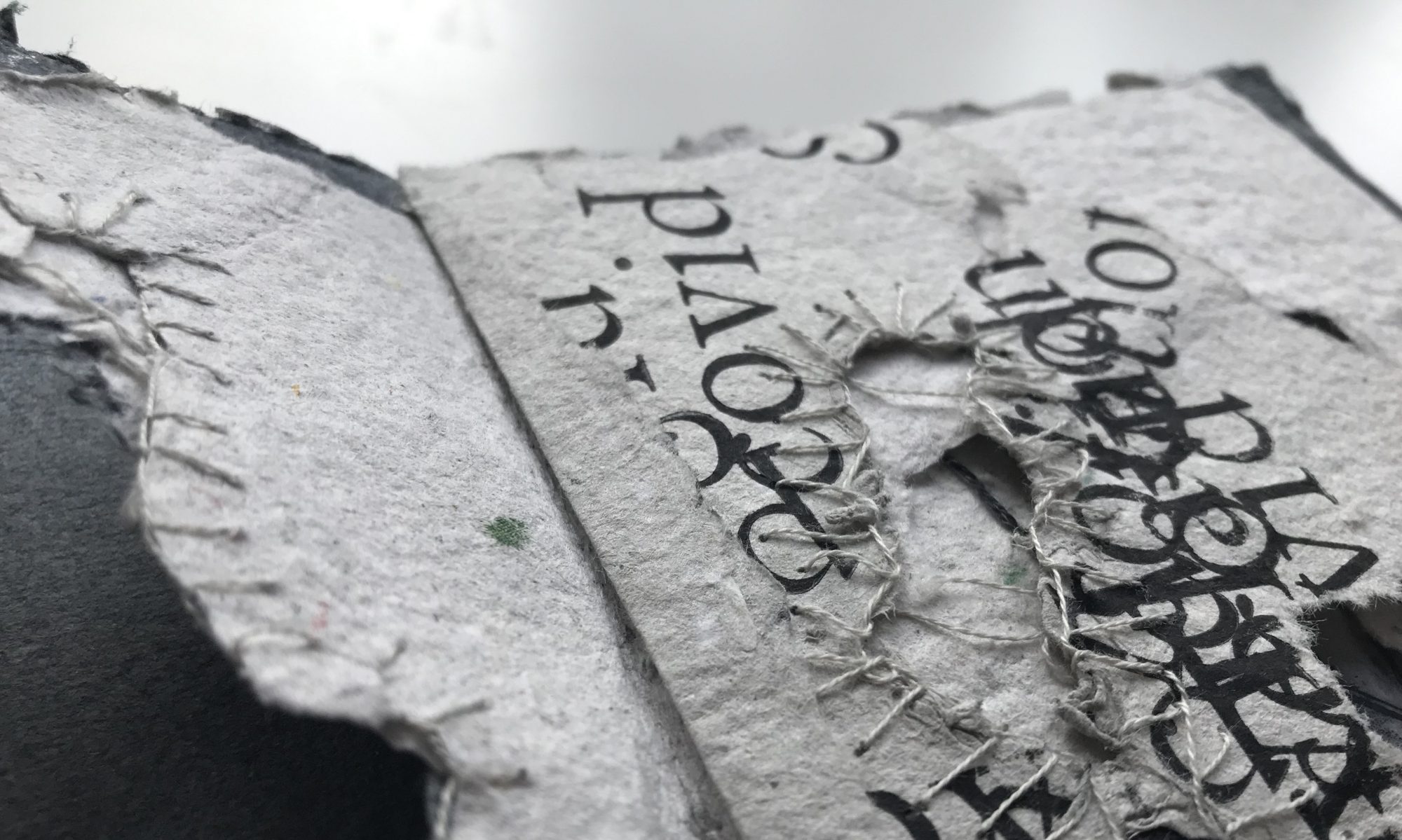
When considering materiality for this project I wanted to consider traditional methods. I was interested in the use of paper mache because of its hand building property. I delved deeper into the research of the origin of the material and discovered its ties with Kashmir, India. it was first introduced to India during the 14th century. The indian process involves soaking paper for 3 to 4 days to form a pulp and mixing with rice glue to form a malleable paste that they form into objects using moulds. this they then polish and coat with a lacquer. These are usually formed into bowls vases, bowls, boxes and other small artifacts that are richly decorated using paint and gold. This is a process that is dying out in the area.
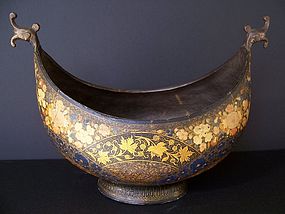
This is an example of a 19th century Beggars Bowl formed from paper mache. These vessels are usually highly decorated and support a highly intricate design. Often featuring folk art, fables, animals and flowers. I enjoy the vibrancy and eye catching details within this design.

Sellingantiques.co.uk. 2020. Beautiful Indian Kashmir Hand Painted Papier Mache Bowl C.1900 | 421350 | Sellingantiques.Co.Uk. [online] Available at: <https://www.sellingantiques.co.uk/421350/beautiful-indian-kashmir-hand-painted-papier-mache-bowl-c1900/> [Accessed 15 October 2020].
I am drawn to this technique for its possibilities but also the ability to make something of no worth, value or interest into an artifact of great value and richness. I enjoy being able to make recycling a part of my projects and I am keen to have this sustainable element within my work as this is something I have always been conscious too.
 Lara Hoad Artist Designer: Maker